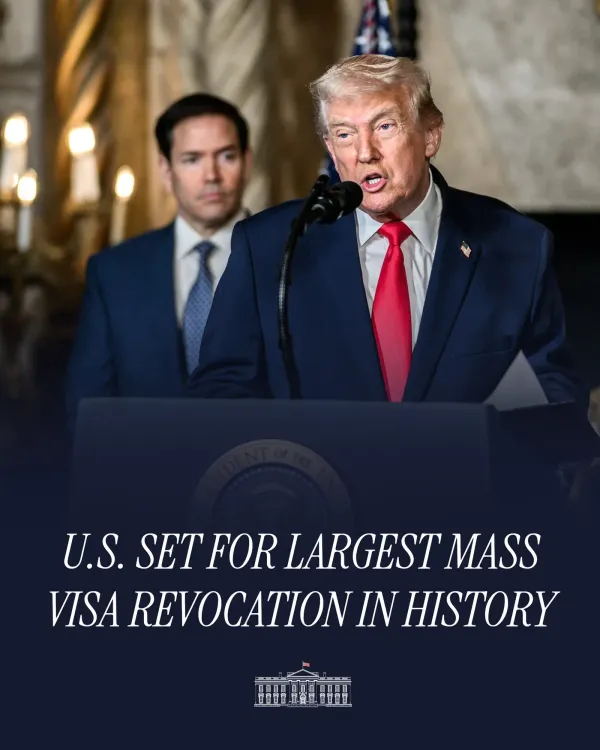
White House Signals Revocation of Up to 200,000 Visas
Synopsis
The White House has announced it is set to revoke up to 200,000 visas, signalling a major US immigration enforcement action. No details on affected categories or nationalities have been released. The move could have significant implications for Indian visa holders and US-bound travellers.
Key Takeaways
The White House announced on August 25, 2026 that it is set to revoke up to 200,000 visas .
No details have been provided on which visa categories, nationalities, or legal authorities are involved.
Visa revocation authority rests with the State Department , coordinated with DHS and intelligence agencies.
India is among the top recipients of US non-immigrant visas, making this announcement of direct concern to Indian nationals.
Formal agency guidance, executive orders, or State Department cables are the next expected steps to watch.
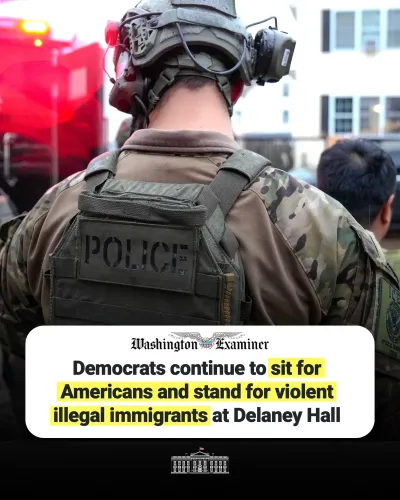
A sweeping immigration enforcement move is taking shape at the highest levels of the US government. The White House announced on Tuesday, August 25, 2026, that it is set to revoke up to 200,000 visas — a figure that, if carried out, would rank among the largest single visa revocation actions in recent American history.
The announcement, posted by the official White House communications account, offered no immediate detail on which visa categories, nationalities, or legal authorities would underpin the action. The post's brevity leaves critical questions unanswered: who is affected, on what grounds, and through which agency channels.
How Visa Revocations Work — and Why the Scale Matters
Visa revocation authority in the United States rests with the Secretary of State, exercised through the State Department in coordination with the Department of Homeland Security and, in national-security cases, intelligence agencies. Revocations can be triggered by individual vetting failures, changed country conditions, criminal records, or broader enforcement priorities set by the executive branch. What makes this announcement notable is the sheer number cited. Historically, large-scale revocations have been tied to specific country conditions — travel bans, diplomatic ruptures, or post-conflict vetting surges — and have rarely been announced in a single headline figure. A number like 200,000 suggests either a sweeping categorical action or a consolidation of multiple ongoing enforcement streams.What Indian Visa Holders Need to Know
India consistently ranks among the top recipients of US non-immigrant visas, with hundreds of thousands of H-1B, F-1, B-1/B-2, and L-1 visas issued to Indian nationals each year. Any large-scale revocation action — regardless of the categories targeted — draws immediate concern from Indian students, professionals, and their families who hold or are awaiting US visas. At this stage, no official guidance has been issued on which categories or nationalities are in scope. Affected individuals or those concerned about their status are advised to monitor communications from the US Embassy and Consulates in India and consult qualified immigration counsel before drawing conclusions from the announcement alone.The Enforcement Signal and What Follows
White House announcements of this nature typically precede formal agency rulemaking, executive orders, or State Department cables to consular posts. The next indicators to watch: whether the State Department issues a Federal Register notice or public guidance, whether specific visa categories or country lists are named, and whether any diplomatic responses emerge from affected governments. Two hundred thousand revocations announced from the top of the executive branch is not a bureaucratic footnote — it is a policy posture. The details, when they come, will determine whether this reshapes the visa landscape for millions or narrows to a targeted enforcement action. Either way, the clock is now running.Point of View
000-visa revocation from the White House itself — rather than through a State Department or DHS channel — signals that this is a deliberate political message as much as a policy action. US administrations have used large-scale visa enforcement as a lever of immigration control, national-security signalling, and domestic political positioning. For India, whose nationals form one of the largest pools of US visa holders globally, even a categorically narrow action carries outsized economic and diplomatic weight. The absence of detail at announcement stage is itself a tactic — it maximises deterrent effect while preserving executive flexibility on scope.
NationPress
25 Aug 2026
Frequently Asked Questions
What does the White House visa revocation announcement mean?
The White House has stated it plans to revoke up to 200,000 visas, signalling a major US immigration enforcement action. No specific categories or nationalities have been named yet.
Will Indian visa holders be affected by the US visa revocation?
No confirmed details have been released on which nationalities or visa types are targeted. Indian nationals holding H-1B, F-1, or other US visas should monitor official US Embassy communications and consult immigration lawyers.
How does the US government revoke visas?
The US Secretary of State, through the State Department and in coordination with DHS and intelligence agencies, holds visa revocation authority. Revocations can be based on security grounds, criminal records, or changed country conditions.
Has the US ever revoked visas on this scale before?
Large-scale revocations have occurred in the past, typically tied to travel bans, diplomatic crises, or national-security vetting surges, but a single announced figure of 200,000 is exceptionally large.
What should I do if I hold a US visa and am worried about revocation?
At this stage, no guidance has been issued on who is affected. Monitor the US Embassy website for your country, avoid travel disruptions without checking your visa status, and seek qualified immigration legal advice.