Is the White House Taking a Tough Stance After the US Seized a Venezuelan Oil Tanker Carrying ‘Sanctioned Oil’?
Click to start listening
Synopsis
The recent seizure of a Venezuelan oil tanker by the US has sparked significant discussions about sanctions enforcement and potential geopolitical repercussions. Amid rising tensions with Maduro's regime, the White House confirms a tough stance and a commitment to combat illicit oil trade.
Key Takeaways
- US Seizure: The US has seized a Venezuelan oil tanker as part of sanctions enforcement.
- Legal Process: There is a legal framework guiding the seizure of the oil.
- Geopolitical Tensions: The action heightens tensions between the US and Venezuela.
- Global Implications: The seizure could affect global oil supply and pricing.
- Ongoing Monitoring: The situation is being closely watched by major oil-importing nations.
Washington, Dec 12 (NationPress) The White House has backed the recent US takeover of a Venezuelan oil tanker, describing it as a necessary enforcement action under the framework of American sanctions policy. The administration has not dismissed the possibility of further measures against illegal shipments in the region.
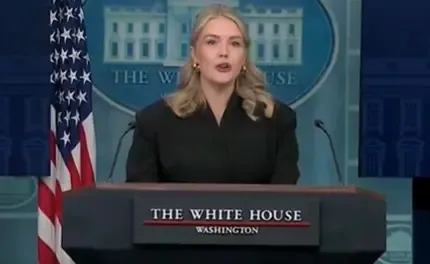
During a press briefing, White House Press Secretary Karoline Leavitt stated that the Department of Justice, in collaboration with the Coast Guard and the Department of Defense, had assumed control of the vessel, which she labeled as “a sanctioned shadow vessel notorious for transporting black market oil to the IRGC.”
According to Leavitt, the tanker is currently undergoing a “forfeiture process,” with investigators interviewing the crew and gathering crucial evidence.
“The vessel will be redirected to a US port, and the United States plans to seize the oil,” she stated, emphasizing that “the legal process for seizing that oil will be rigorously followed.”
When probed whether this action signals an escalation towards military conflict, Leavitt clarified that Trump perceives it merely as an enforcement of sanctions. “The President views the seizure of the oil tanker as a reflection of the administration's sanction policies,” she affirmed.
She also refrained from disclosing whether additional maritime or ground actions might occur. “I won’t speculate on future actions… but we will not idly watch sanctioned vessels traverse the seas carrying black market oil, the profits of which will support narco-terrorism by rogue regimes globally,” she asserted.
This oil seizure occurs amidst escalating tensions between Washington and Venezuelan leader Nicolás Maduro. When asked about Trump's concerns regarding Russian President Vladimir Putin reaching out to Maduro, Leavitt responded, “I don’t believe President Trump finds that concerning at all.”
In a separate note, she confirmed that Trump has yet to communicate with Putin regarding this issue. She avoided commenting on whether the President would accept an official invitation from Colombia after his sharp critique of President Gustavo Petro.
The ongoing standoff carries significant implications for global energy markets. The Press Secretary did not comment on whether the seized Venezuelan oil could be redirected to domestic markets, a question raised amid Trump's focus on reducing energy prices.
India, a major importer of Venezuelan crude prior to the tightening of US sanctions, is closely observing these disruptions. Any escalation in US enforcement will impact global supply dynamics and pricing, especially for refiners who previously depended on Venezuelan heavy oil.
Tensions between the US and Venezuela have varied over the years, with sanctions aimed at disrupting illicit oil trade, narcotics operations, and political oppression. The former Biden administration briefly considered easing some measures, but Trump has reasserted a strict enforcement stance during his current term.
Point of View
The White House's firm stance on the seizure of the Venezuelan oil tanker underscores a commitment to uphold sanctions and curb illegal activities. This action, while significant, reflects ongoing geopolitical tensions that require careful navigation. The implications for global oil markets and diplomatic relations warrant close observation.
NationPress
12/12/2025
Frequently Asked Questions
What led to the seizure of the Venezuelan oil tanker?
The US seizure was part of an enforcement action under American sanctions aimed at combating illicit oil shipments associated with the IRGC.
What does the seizure mean for US-Venezuela relations?
The seizure signifies escalating tensions and a firm US stance against Venezuela's operations that are perceived as threats to global security.
What are the implications for global oil markets?
The action could impact global supply dynamics and pricing, particularly for countries reliant on Venezuelan heavy oil.
Will there be more actions taken by the US?
While specific future actions were not disclosed, the White House indicated that further enforcement measures against illicit shipments are possible.
How has India reacted to this situation?
India, a significant buyer of Venezuelan crude, is closely monitoring the disruptions resulting from US sanctions.