White House Signals US-Philippines Bilateral Moment
Synopsis
The White House marked a US-Philippines bilateral moment on November 18, 2026, with a flag-and-handshake post — a diplomatic signal between two allies whose security ties, anchored by the 1951 Mutual Defense Treaty and the expanded EDCA, are a cornerstone of Washington's Indo-Pacific strategy.
Key Takeaways
The White House posted US and Philippine flag emojis paired with a handshake symbol on November 18, 2026 , signalling bilateral engagement.
The US-Philippines Mutual Defense Treaty dates to 1951 and remains the legal foundation of the alliance.
In 2023 , the Enhanced Defense Cooperation Agreement (EDCA) was expanded to add four new Philippine military sites for US rotational presence.
The Philippines occupies strategic geography along the first island chain and the South China Sea , making it central to US Indo-Pacific planning.
Potential follow-ons include announcements on new defense sites, joint military exercises, or a high-level bilateral visit.
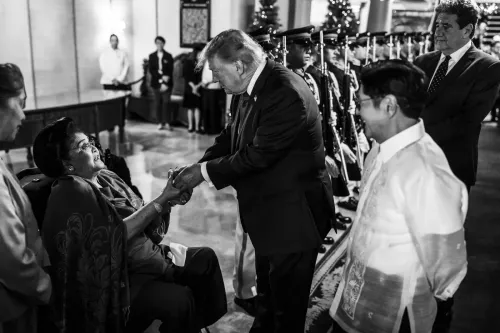
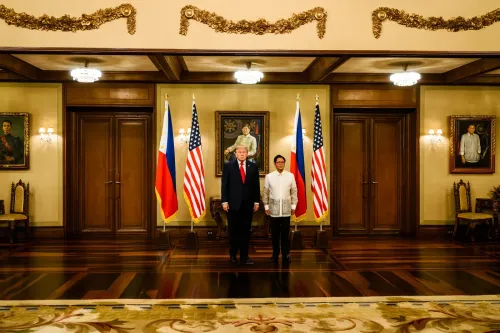
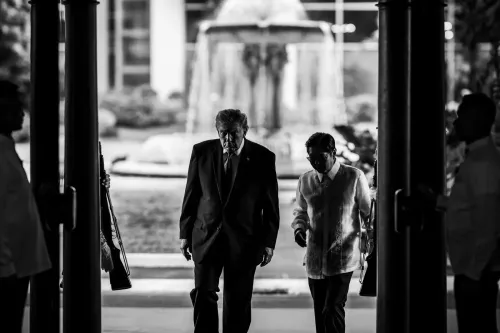
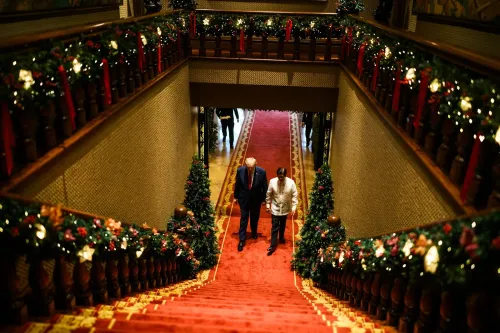
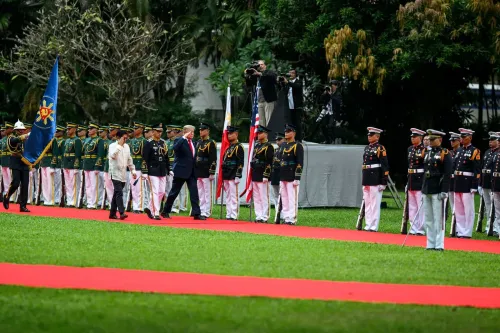
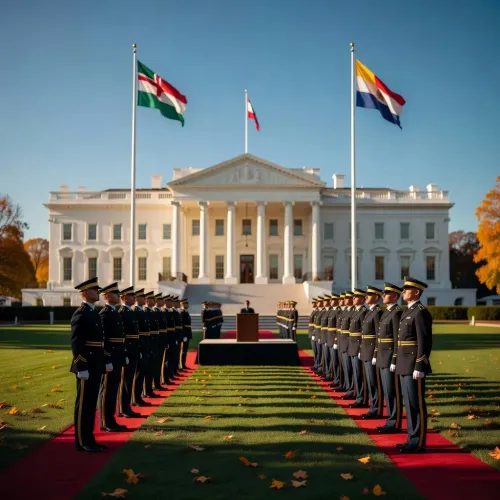
The flags say it all. The White House posted a simple but pointed pairing on Wednesday, November 18, 2026 — the American and Philippine flags joined by a handshake emoji — a shorthand the administration has used to mark moments of diplomatic significance between Washington and Manila.
The post, stripped of words but rich in signal, arrives against a backdrop of deepening ties between two of the oldest treaty allies in the Indo-Pacific. The US-Philippines Mutual Defense Treaty, signed in 1951, remains the legal spine of the relationship — a commitment that has only grown more operationally dense in recent years.
How the Alliance Has Been Rebuilt and Reinforced
The architecture of US-Philippine security cooperation has expanded significantly in the current era of Indo-Pacific competition. In 2023, the two governments enlarged the Enhanced Defense Cooperation Agreement (EDCA) to include four new Philippine military sites for American rotational presence — a move that extended the US military footprint closer to contested flashpoints in the South China Sea.
Joint exercises have become more frequent and more complex. The alliance now spans traditional defense planning, maritime domain awareness, and economic connectivity — a broadening that reflects the strategic calculus of successive administrations in Washington.
Why Manila Matters to Washington's Indo-Pacific Play
The Philippines occupies a geography that strategists describe as irreplaceable: an archipelago straddling the first island chain, flanking the South China Sea, and sitting astride critical shipping lanes through which a significant portion of global trade moves. For the United States, keeping Manila close is not just a legacy obligation — it is an active strategic necessity.
For the Philippines, the alliance offers a security umbrella and economic partnership as the country navigates pressure in its own maritime backyard. The relationship is not without tension — Philippine domestic politics has historically pushed and pulled on the alliance — but the recent trajectory has been one of consistent deepening.
The White House's flag-and-handshake post may be brief, but in diplomatic grammar, brevity paired with symbolism is rarely accidental. Watch for follow-on announcements on new defense sites, joint exercises, or a high-level visit that could flesh out what the two flags are shaking hands on.
Point of View
And any 2026 follow-through would mark a further consolidation of that trajectory. For India, which also navigates its own Indo-Pacific alignments through frameworks like the Quad, a tighter US-Philippines axis is a broadly complementary development. The signal from Washington is clear: the alliance is active, visible, and being tended at the highest level.
NationPress
18 Nov 2026
Frequently Asked Questions
What is the US-Philippines Mutual Defense Treaty?
The US-Philippines Mutual Defense Treaty, signed in 1951, is a formal security agreement obligating both countries to support each other in the event of an armed attack — it remains the legal cornerstone of the bilateral alliance.
What is the Enhanced Defense Cooperation Agreement (EDCA)?
The EDCA is an agreement allowing the United States rotational military presence at designated Philippine bases; in 2023 it was expanded to include four additional Philippine military sites, deepening operational access.
Why is the Philippines important to US strategy in the Indo-Pacific?
The Philippines sits along the first island chain and flanks the South China Sea, giving it irreplaceable strategic geography for US military planning and maritime domain awareness in the region.
What could follow the White House's US-Philippines signal?
Analysts and policymakers are watching for announcements on new EDCA defense sites, expanded joint military exercises, or a high-level bilateral visit between US and Philippine leaders.
How does the US-Philippines alliance affect India?
A stronger US-Philippines security axis reinforces the broader Indo-Pacific alliance network that India also participates in through frameworks like the Quad, broadly aligning with New Delhi's own regional security interests.