White House Touts 'Trump Effect' in Economy Post
Synopsis
The White House posted on X on 12 July 2026, declaring 'THE TRUMP EFFECT IS REAL,' invoking President Donald Trump's economic record. The post, light on specifics but heavy on political messaging, signals the administration's intent to claim credit for positive economic signals ahead of upcoming GDP and Federal Reserve data.
Key Takeaways
The White House posted 'THE TRUMP EFFECT IS REAL. 💸' on X on 12 July 2026 , asserting credit for economic momentum.
The post did not cite a specific metric, statistic, or data point — it is a broad political messaging statement.
The claim draws on a policy lineage rooted in the Tax Cuts and Jobs Act of 2017 , which cut the US corporate tax rate from 35% to 21% .
The White House's practice of attributing financial movements to presidential policy mirrors messaging patterns from both the first Trump term and prior administrations.
The next quarterly US GDP release and Federal Reserve policy statement will be key tests of the administration's economic narrative.
For India , the direction of US economic policy has direct implications for trade, exports, and bilateral investment flows.
The White House, the official communications account of the Executive Office of the President of the United States, posted on X on Saturday, 12 July 2026, claiming that the 'Trump Effect' is real — attributing recent financial momentum to President Donald Trump's economic agenda.
Context
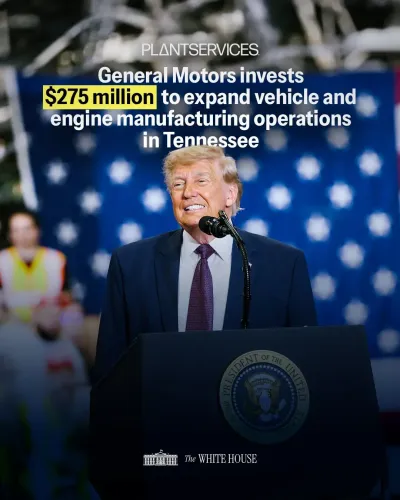
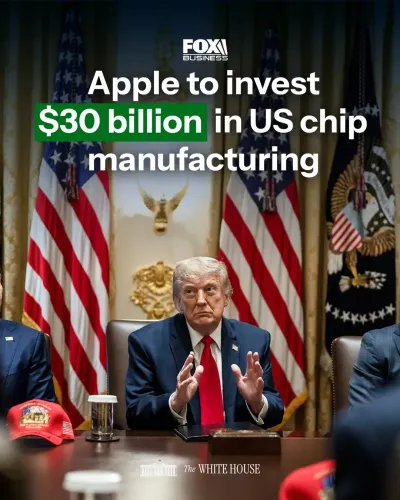
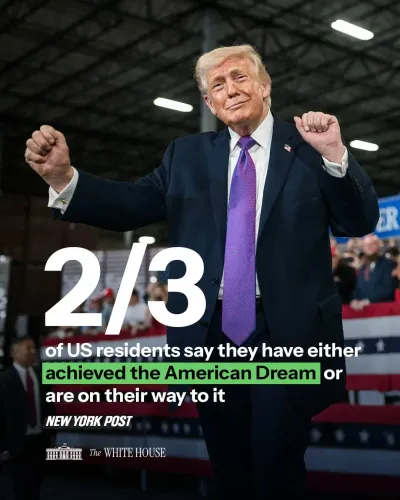
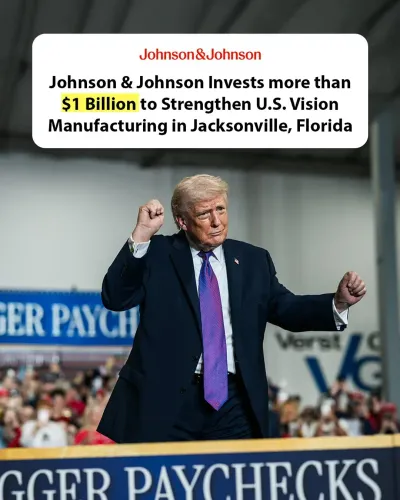
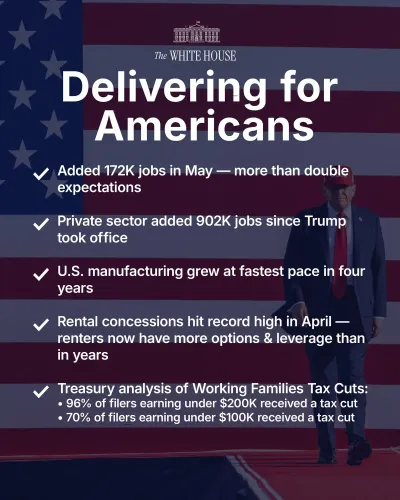
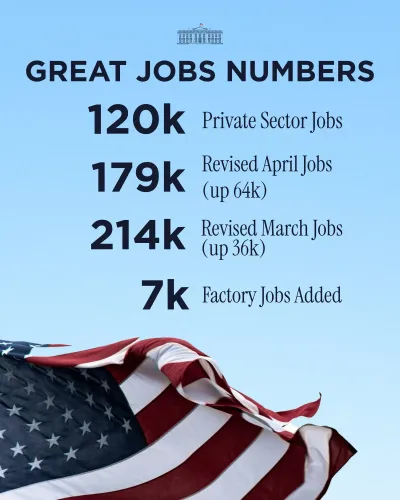
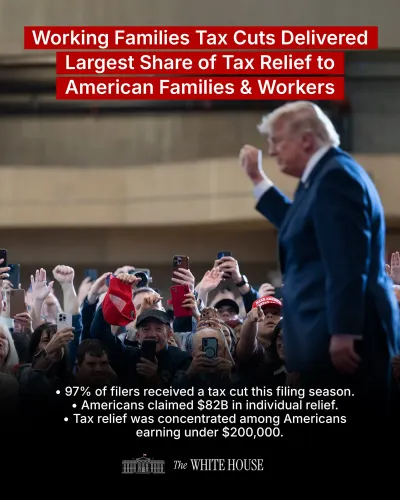
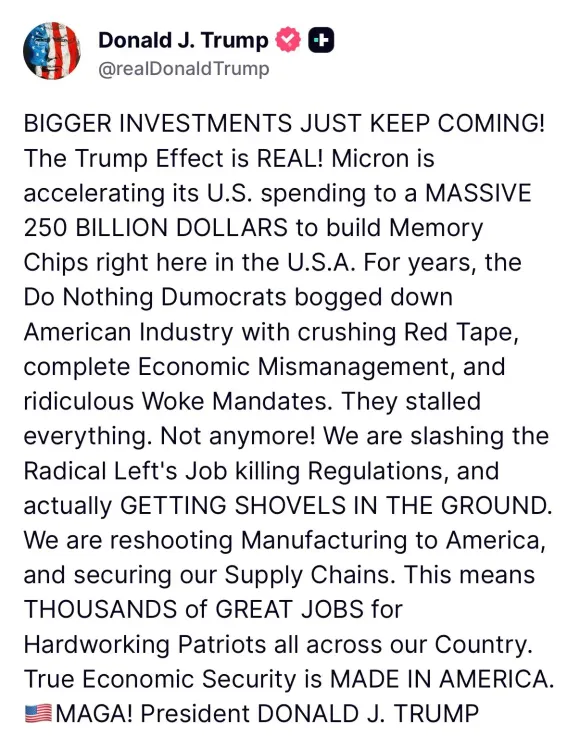
The post — reading simply 'THE TRUMP EFFECT IS REAL. 💸' — is a characteristically brief piece of White House political messaging, accompanied by an image. While the post does not cite a specific metric, the phrase 'Trump Effect' has been used in administration circles to describe what supporters frame as market confidence, business investment, or consumer sentiment gains tied to Trump's policy direction.
Such declarative posts are a hallmark of the current administration's social-media strategy: short, assertive, and designed for rapid amplification.
Policy Backdrop
The economic policy framework underpinning the claim traces back to the Tax Cuts and Jobs Act of 2017, which slashed the corporate tax rate from 35% to 21% and was designed to spur domestic investment and GDP growth during Trump's first term (2017–2021). Deregulation and trade protectionism — including tariffs on imports — were additional pillars of that agenda.
In his current term, Trump has continued to pursue similar themes, and the White House has consistently framed positive economic signals as direct outcomes of executive decisions on taxes and trade. This pattern of attributing market or financial movements to presidential policy is not new — prior administrations employed similar messaging when indicators moved favourably.
Stakeholders and Impact
US investors and American businesses are the primary audiences for such messaging, with the administration seeking to reinforce confidence in its economic stewardship. For Indian businesses and exporters, the direction of US economic policy carries significant weight — a stronger American economy can boost demand for Indian goods and services, while protectionist trade measures can cut the other way.
The post, stripped of specific data, functions primarily as a political signal — reassuring domestic constituencies and projecting confidence ahead of upcoming economic data releases.
What's Next
Analysts and markets will look to the next quarterly US GDP release and any forthcoming Federal Reserve policy statement to assess whether underlying economic fundamentals support the administration's bullish framing. If hard data aligns with the White House's messaging, the 'Trump Effect' narrative is likely to be amplified further across administration channels — and scrutinised equally closely by critics.
The broader question is whether sustained growth indicators will translate into durable political capital as the administration continues to build its economic record.
Point of View
Declarative, and deliberately unencumbered by data, allowing the message to travel faster than fact-checkers. It reflects a broader administration strategy of seizing the narrative on economic performance before official numbers arrive, creating a frame through which subsequent data will be interpreted. For observers in India and elsewhere, the post is less a policy update and more a political temperature check — signalling that the administration is confident enough in the economic outlook to make sweeping, public claims. Whether the underlying indicators ultimately validate the framing will determine how durable this particular narrative arc proves to be.
NationPress
11 Jul 2026
Frequently Asked Questions
What is the 'Trump Effect' the White House is referring to?
The 'Trump Effect' is a phrase used by the Trump administration to describe positive economic outcomes — such as market gains, business investment, or consumer confidence — that it attributes to President Donald Trump's policies, including tax cuts, deregulation, and trade measures. The White House post on 12 July 2026 did not specify a particular metric.
What economic policies is the Trump administration claiming credit for?
The administration's economic agenda is rooted in the Tax Cuts and Jobs Act of 2017, which reduced the US corporate tax rate from 35% to 21%, alongside deregulation and trade protectionism including tariffs on imports. These policies form the basis of the 'Trump Effect' narrative.
How does US economic policy under Trump affect India?
A stronger US economy can increase American demand for Indian goods, software services, and exports. However, protectionist trade policies — such as tariffs — can restrict Indian exports to the US. The overall direction of the Trump administration's economic agenda is therefore closely watched by Indian businesses and policymakers.
Is the White House's claim about the 'Trump Effect' backed by data?
The 12 July 2026 post did not cite any specific economic data, statistics, or reports. Analysts will look to the next quarterly US GDP release and Federal Reserve policy statement to assess whether official figures support the administration's claims.
Why does the White House post about economic performance on social media?
Social-media posts attributing positive economic signals to presidential policy are a standard tool of political communication across administrations. The White House uses platforms like X to rapidly shape public perception of economic conditions, often ahead of official data releases.