White House Posts 'Dumocrats at it again' Jab at Democrats
Synopsis
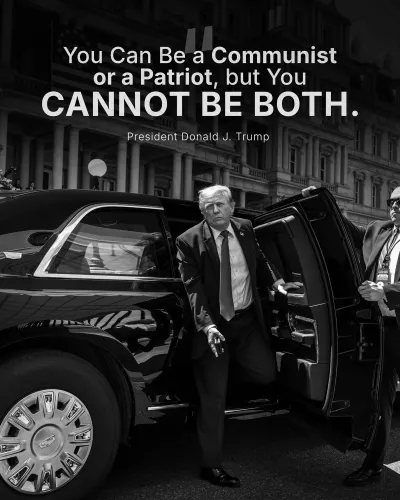
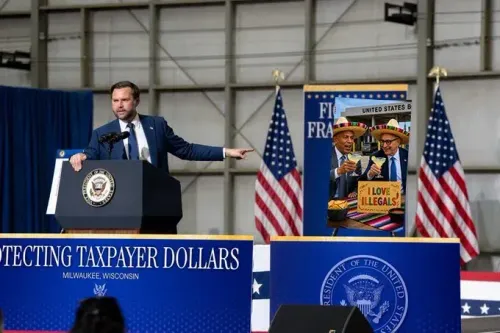
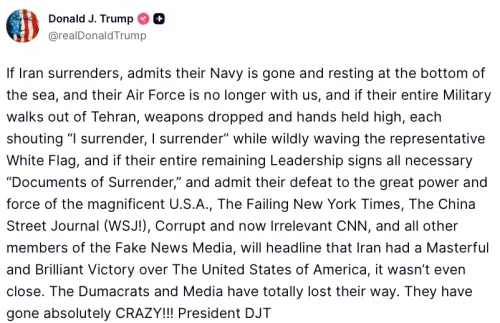
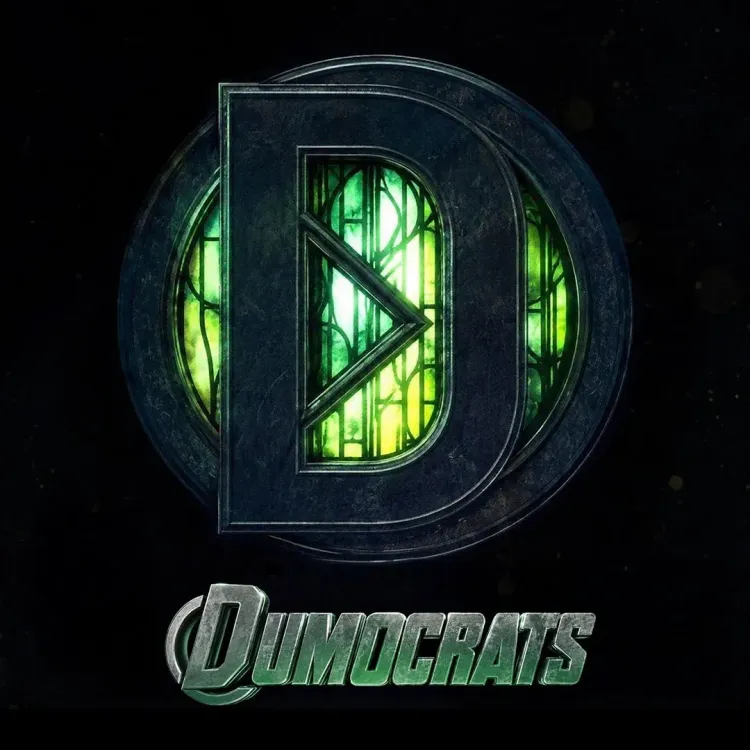
The official White House handle posted a two-word jab, 'Dumocrats at it again,' on X on June 2, 2026, attached to an image. The post offered no policy context or named target, marking another instance of campaign-style messaging from the executive branch's official communications channel and reviving debate over institutional tone.
Key Takeaways
The White House official X handle posted 'Dumocrats at it again' on June 2, 2026 at 19:55 GMT .
The post included one image, no linked statement and no named Democratic lawmaker.
The misspelling of 'Democrats' as 'Dumocrats' is a deliberate mocking framing.
Official White House communications have traditionally leaned institutional, with sharper attacks routed through party or campaign channels.
Such posts typically trigger discussion around the Hatch Act and the use of official government accounts for partisan messaging.
The White House, the official communications arm of the Executive Office of the President of the United States, posted a short, pointedly partisan message on X on June 2, 2026, taking aim at the Democratic Party. The post read simply, 'Dumocrats at it again,' attached to an image, and was published from the official handle at 19:55 GMT.
The two-word jab — a deliberate misspelling of 'Democrats' — was accompanied by a single image and no further text. The post offered no policy context, no legislative reference and no named individual, leaving readers to interpret the target from the attached visual and ongoing political flashpoints in Washington.
Context
The post is striking for its tone. Communications issued from the @WhiteHouse handle have, across administrations of both major American parties, generally leaned institutional rather than openly combative toward the opposition. A brief, mocking one-liner of this kind sits closer to a campaign-style social media voice than to traditional executive-branch messaging.
The phrase 'at it again' implies a repeated grievance, but the post itself does not specify which Democratic action it is referencing. Without a linked statement, hashtag or tagged lawmaker, the message functions primarily as a partisan signal to supporters rather than a formal policy communication.
Policy backdrop
Official White House communications have historically attempted to maintain a non-partisan register, with sharper political messaging traditionally routed through party committees, campaign accounts or surrogates. However, the line between official and political messaging has blurred over successive administrations, and partisan language on the account has surfaced during periods of intense legislative conflict or campaign cycles.
Cross-party criticism in congressional and executive messaging is not new — the public record shows repeated instances stretching back to at least the 1990s. What has shifted is the speed and informality of social platforms, where the same official handle that announces summits and condolences can also publish a one-line taunt within the same hour.
Stakeholders and impact
For Democratic lawmakers, a post of this nature from the official executive handle is likely to be cited as evidence that the office is being used for partisan combat. For the administration's supporters, the tone reinforces a combative, outsider posture that has characterised much of its public communication.
For Indian readers and policy watchers, the relevance lies less in the specific jab and more in the texture of US political discourse during a period when New Delhi is actively managing trade, technology and visa conversations with Washington. A White House communications shop that is comfortable with mocking domestic opponents in public sets the tone for how it engages globally as well.
Career civil servants, ethics watchdogs and congressional staff often flag such posts in debates over the Hatch Act and the appropriate use of official government channels, though enforcement on presidential communications has historically been limited.
What's next
The immediate watch is whether the account, congressional Democratic leadership or White House briefing room follows up with clarifying material that identifies the specific Democratic action being referenced. A targeted policy fight — over a spending bill, nomination or oversight probe — would retrofit the post with concrete stakes.
If no follow-up emerges, the post will likely be read as part of a broader pattern of informal, campaign-style messaging from the official handle. Either way, it adds another data point to the ongoing debate over how far executive-branch social media should travel from institutional neutrality — a debate that resonates well beyond Washington as governments worldwide, including in India, navigate the same tension between official voice and political brand.
Point of View
And a two-word jab without context is engineered for virality, not clarification. For observers tracking US political communication, the post fits a multi-year arc in which institutional neutrality on official channels has eroded across administrations. The wider question is whether allies and adversaries reading Washington's signals begin to discount official posts as performative rather than substantive.
NationPress
17 Oct 2026
Frequently Asked Questions
What did the White House post about Democrats?
The official White House account on X posted 'Dumocrats at it again' on June 2, 2026, a two-word jab with a deliberate misspelling of 'Democrats', attached to a single image and with no further text or policy context.
Is it legal for the White House account to attack a political party?
The presidential office itself is largely exempt from the Hatch Act, which restricts partisan activity by most federal employees, but use of official government channels for partisan messaging has long been contested by ethics watchdogs and congressional critics.
Has the White House account been partisan before?
Yes. Across multiple administrations of both major parties, the official handle has occasionally carried sharply partisan language, especially during legislative standoffs and campaign seasons, though it has traditionally aimed for a more institutional tone.
Why does the White House post matter for India?
It signals the communications style of the current US administration, which shapes how Washington engages global partners including India on trade, technology and immigration. A combative domestic tone often translates into a more transactional external posture.
Did the White House clarify which Democrats it was referring to?
As of the post, the message did not name any specific Democratic lawmaker, bill or action, leaving the reference open to interpretation based on the attached image and the prevailing political flashpoints in Washington.