Uyghur group urges Rubio to press China's transnational repression in Uzbekistan visit
Synopsis
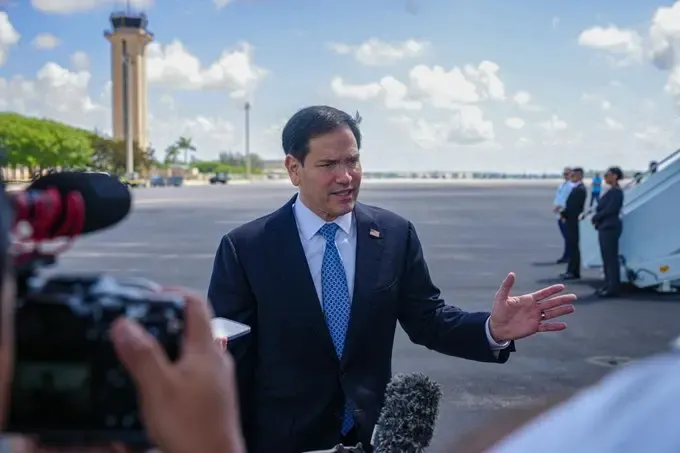
As US Secretary of State Marco Rubio prepares to visit Uzbekistan, the World Uyghur Congress is demanding he use the trip to confront China's transnational repression head-on — calling for an end to forced deportations of Uyghurs from Central Asia back to Xinjiang, where they face persecution and torture. The appeal revives a precedent set by Mike Pompeo in 2019 and 2020, and comes weeks after WUC made the same demand during Xi Jinping's Washington visit.
Key Takeaways
The World Uyghur Congress (WUC) has urged US Secretary of State Marco Rubio to raise China's transnational repression of Uyghurs during his upcoming visit to Uzbekistan .
Central Asian states including Uzbekistan , Kazakhstan , Kyrgyzstan , and Tajikistan reportedly act on Beijing's demands to surveil, detain, and return Uyghurs to China.
The WUC is calling for an end to forced deportations and extraditions of Uyghurs to China, where they face persecution and torture.
Former Secretary of State Mike Pompeo raised the Uyghur issue with Central Asian leaders in 2019 and during a Kazakhstan visit in 2020 .
WUC President Turgunjan Alawdun had earlier urged President Donald Trump to address Uyghur genocide during Xi Jinping's Washington visit on 24 September .
The World Uyghur Congress (WUC) has called on US Secretary of State Marco Rubio to raise concerns about China's transnational repression of Uyghurs during his upcoming visit to Uzbekistan, warning that Central Asia has become both a refuge and a danger zone for Uyghurs fleeing persecution in China's Xinjiang region. The appeal, made public on 17 October 2026, comes as Rubio prepares to travel to the region next week.
The Threat Landscape in Central Asia
According to the WUC, Uyghurs living across Uzbekistan, Kazakhstan, Kyrgyzstan, Tajikistan, and other Central Asian states have long faced pressure from their host governments acting on Beijing's demands to suppress Uyghur political, cultural, and religious activity. The organisation says this pressure manifests as surveillance, intimidation, arbitrary detention, and in the most serious cases, forced returns to China — where deportees reportedly face persecution, torture, and grave human rights violations.
The WUC noted that Central Asia occupies a dual and precarious role: it is simultaneously the primary refuge for Uyghurs who have fled Xinjiang, and a theatre of Chinese extraterritorial coercion, as Beijing leverages diplomatic and economic ties with regional governments to extend its reach beyond its borders.
What the WUC Is Asking Rubio to Do
The organisation has outlined specific demands it wants Rubio to raise. Chief among them is a call for Central Asian governments to immediately end the forced return of Uyghurs to China — whether through deportation, extradition, or informal transfer — on the grounds that such actions expose individuals to a serious risk of persecution. The WUC also urged Washington to press regional capitals to reject Chinese requests to monitor, intimidate, detain, or silence Uyghurs over their political opinions, peaceful activism, religious practices, or contact with relatives abroad.
The WUC described the visit as a 'rare opportunity,' invoking the precedent set by former US Secretary of State Mike Pompeo, who publicly raised the Uyghur issue with Central Asian leaders in 2019 and again during a visit to Kazakhstan in 2020, urging them not to deport Uyghurs to China.
The Xi Visit and Prior US Advocacy
This latest appeal follows the WUC's earlier pressure campaign around Chinese President Xi Jinping's visit to Washington on 24 September. At the time, WUC President Turgunjan Alawdun called on US President Donald Trump to use the summit to address the Uyghur genocide in Xinjiang and China's transnational repression of diaspora communities.
'Xi's visit to Washington is a strategic moment to move beyond words of condemnation on the Uyghur genocide. The United States has been a strong and vocal ally to the Uyghur people, and Donald Trump has to use this opportunity to continue proving it,' Alawdun said.
Broader Context: China's Transnational Repression
The WUC's appeal reflects a wider, documented pattern of what human rights organisations describe as transnational repression — the use of diplomatic, economic, and covert pressure by authoritarian states to silence dissidents and minorities living abroad. For Uyghurs, Central Asia represents the first and most immediate layer of vulnerability outside China. Rights groups argue that as China deepens its infrastructure and economic footprint across the region through projects linked to the Belt and Road Initiative, the leverage it holds over host governments — and by extension, over Uyghur communities — continues to grow.
With Rubio's visit to Uzbekistan now imminent, the WUC's public appeal is designed to ensure the Uyghur question is not sidelined in favour of trade or security discussions.
Point of View
Giving Beijing real leverage over their treatment of Uyghur communities. Rubio raising the issue publicly — as Pompeo did — matters, but public statements have historically produced little durable change in deportation practices. The deeper question is whether the Trump administration is willing to link security or trade cooperation with Central Asian states to their compliance on Uyghur protection — a conditionality that neither Pompeo nor the Biden era managed to operationalise. Without that linkage, the WUC's appeal risks being another well-documented plea that generates a statement and little else.
NationPress
17 Oct 2026
Frequently Asked Questions
Why is the World Uyghur Congress urging Marco Rubio to act during his Uzbekistan visit?
The WUC wants Rubio to press Central Asian governments to stop deporting Uyghurs to China and to reject Chinese requests to surveil or detain them. The organisation says Rubio's upcoming visit to Uzbekistan is a rare diplomatic opportunity to reaffirm US support for Uyghur rights in the region.
What is China's transnational repression of Uyghurs in Central Asia?
It refers to Beijing's alleged use of diplomatic and economic pressure on Central Asian governments to monitor, intimidate, detain, and forcibly return Uyghurs living abroad. Rights organisations say Uyghurs in countries like Uzbekistan, Kazakhstan, and Kyrgyzstan face surveillance and arbitrary detention at China's behest.
What happened during Xi Jinping's visit to Washington in September?
WUC President Turgunjan Alawdun urged President Donald Trump to raise the Uyghur genocide in Xinjiang and China's transnational repression during Xi Jinping's Washington visit on 24 September. The WUC described it as a strategic moment to move from words of condemnation to concrete action.
Has the US previously raised Uyghur issues with Central Asian governments?
Yes. Former US Secretary of State Mike Pompeo publicly raised the Uyghur issue with Central Asian leaders in 2019, urging them not to deport Uyghurs to China, and reiterated the concern during a visit to Kazakhstan in 2020. The WUC is now calling on Rubio to follow the same precedent.
What specific actions is the WUC asking Rubio to demand?
The WUC has asked Rubio to demand that Central Asian governments end forced returns of Uyghurs to China through deportation or extradition, and to reject Chinese requests to monitor, intimidate, detain, or silence Uyghurs over their political, religious, or activist activities.