Yemen govt forces launch 181 operations against Houthis in 24 hours
Synopsis
In one of the sharpest single-day escalations in Yemen's decade-long civil war, government forces launched 181 military operations against Houthi positions across seven provinces within 24 hours — while the Houthis simultaneously fired three ballistic missiles at the city of Marib. The dual escalation signals that Yemen's conflict is intensifying on multiple fronts, with Red Sea shipping and Saudi energy infrastructure now drawn into the theatre.
Key Takeaways
Yemeni government forces launched 181 military operations against Houthi targets across seven provinces within 24 hours on 16 August .
Spokesperson Majid al-Nuzaili said drones, artillery, and rocket launchers were used; dozens of Houthis were reportedly killed or wounded.
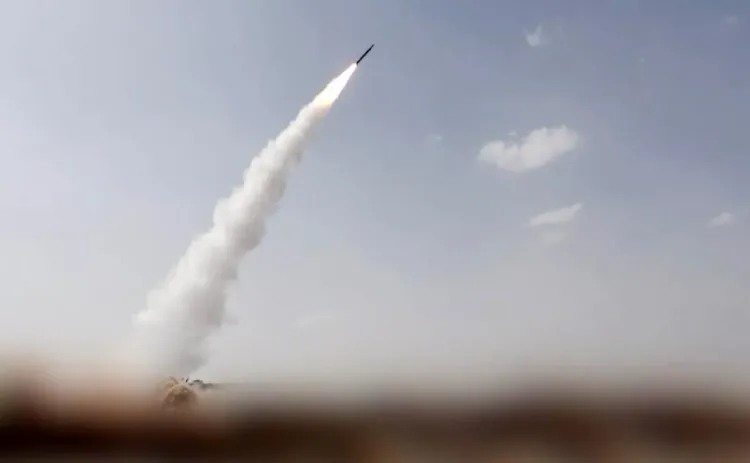
The Houthis fired three ballistic missiles at residential neighbourhoods in the government-held city of Marib on Saturday evening; casualties were not immediately confirmed.
The Houthis declared a maritime ban on Saudi shipping on 20 July and have since claimed attacks on Saudi oil tankers in the Red Sea .
Yemen has been in conflict since 2014 , with a Saudi-led coalition intervening in 2015 in support of the recognised government.
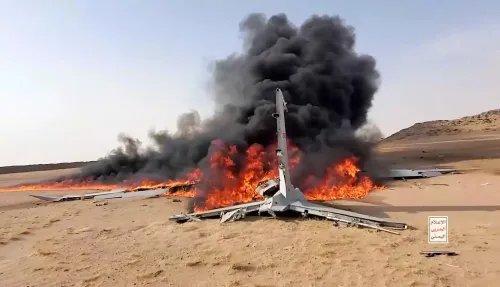
Yemeni government forces launched 181 military operations against Houthi-controlled positions across seven provinces within a single 24-hour period ending Sunday, 16 August, marking one of the sharpest single-day escalations in the country's decade-long civil war. Government military spokesperson Majid al-Nuzaili confirmed the offensive in a statement, saying drones, artillery, and rocket launchers were deployed to strike Houthi targets across a wide front.
Scale and Targets of the Offensive
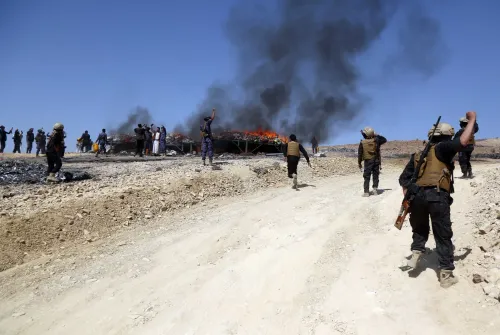
According to al-Nuzaili, the operations struck Houthi weapons depots, military vehicles, launch positions, and facilities allegedly used to stage attacks against government-held areas. The strikes reportedly killed or wounded dozens of Houthi fighters and destroyed military equipment, though no detailed casualty figures were provided. The government framed the offensive as a direct response to a recent wave of Houthi attacks on civilian infrastructure, economic facilities, and ports.
Houthi Missile Strike on Marib
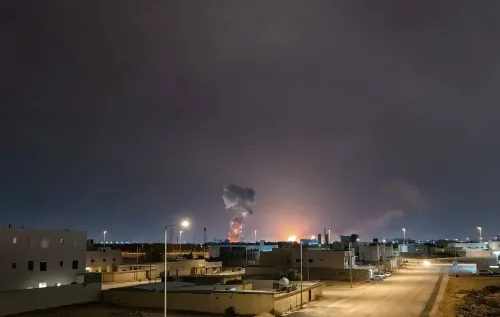
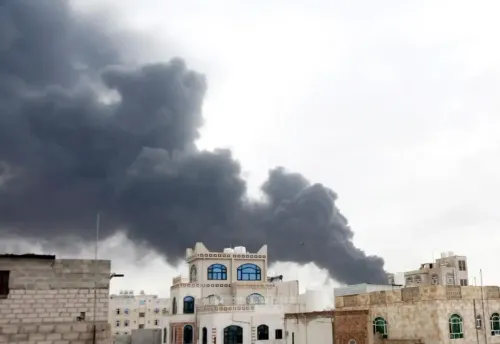
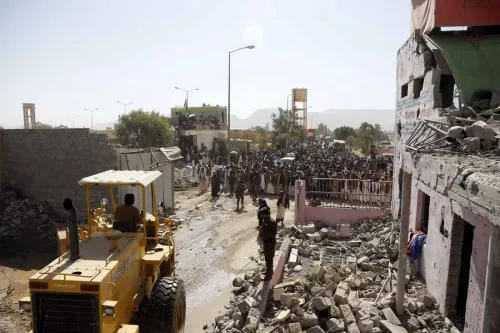
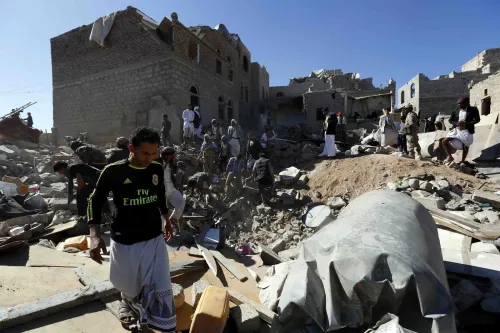
In a near-simultaneous counter-move, the Houthi group launched an attack on the government-held city of Marib, situated in the oil-rich Marib province, on Saturday evening. State-run Saba TV, broadcasting from Marib, reported that three ballistic missiles were fired at residential neighbourhoods in the city. No immediate information was available on casualties or structural damage. Residents contacted by reporters confirmed hearing multiple loud explosions across the city around the time of the reported strikes.
Broader Houthi Escalation
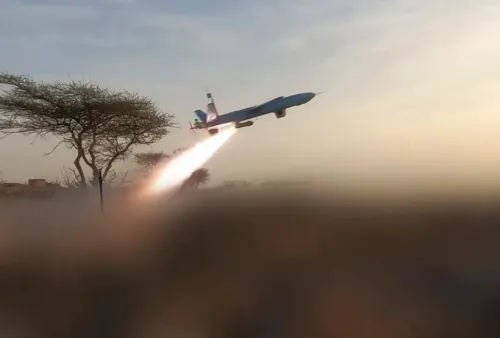
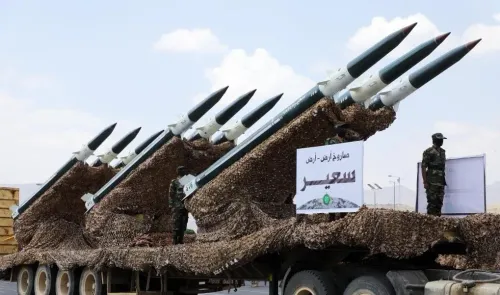
The Marib strike is part of a wider pattern of Houthi aggression that has intensified in recent weeks. The group has ramped up missile and drone attacks against government-held areas inside Yemen and against targets in neighbouring Saudi Arabia, a key backer of the internationally recognised Yemeni government. On 20 July, the Houthis announced a maritime ban on Saudi shipping and have since claimed attacks on Saudi oil tankers in the Red Sea, as well as strikes on energy infrastructure inside the kingdom.
A Conflict With No End in Sight
Yemen has been engulfed in conflict since late 2014, when Houthi forces swept through much of northern Yemen and seized the capital Sanaa. A Saudi-led coalition intervened in 2015 in support of the internationally recognised government, triggering a war that has since produced one of the world's worst humanitarian crises. The latest exchange of fire underscores how fragile any prospect of a lasting ceasefire remains, with both sides demonstrating continued capacity — and willingness — to escalate. The international community has yet to signal a renewed diplomatic push in response to the latest violence.
Point of View
With the Houthis now operating on three fronts — domestic Yemen, Saudi Arabia, and the Red Sea. The maritime dimension is the most consequential and the least covered. A sustained Houthi campaign against Saudi oil tankers in the Red Sea is not just a Yemen story; it is a global energy and shipping security story. The international community's muted response to the 20 July maritime ban suggests that diplomatic bandwidth for Yemen remains dangerously thin.
NationPress
1 Oct 2026
Frequently Asked Questions
How many military operations did Yemeni government forces launch against the Houthis?
Yemeni government forces launched 181 military operations against Houthi-held positions across seven provinces within a 24-hour period ending 16 August, according to government military spokesperson Majid al-Nuzaili. The strikes targeted weapons depots, military vehicles, and launch positions using drones, artillery, and rocket launchers.
Did the Houthis retaliate during the same period?
Yes. The Houthi group launched a separate attack on the government-held city of Marib on Saturday evening, firing three ballistic missiles at residential neighbourhoods, according to state-run Saba TV. No immediate casualty figures were available, though residents confirmed hearing multiple explosions.
What is the Houthi maritime ban and why does it matter?
On 20 July, the Houthis announced a ban on Saudi shipping and have since claimed attacks on Saudi oil tankers in the Red Sea and strikes on energy infrastructure inside Saudi Arabia. This extends the Yemen conflict beyond its borders and poses a risk to regional energy supply chains and global shipping routes.
How long has the Yemen conflict been going on?
Yemen has been in civil war since late 2014, when Houthi forces seized the capital Sanaa and much of northern Yemen. A Saudi-led coalition intervened in 2015 in support of the internationally recognised government, and the conflict has continued since, producing a severe humanitarian crisis.
Who is backing each side in the Yemen conflict?
The internationally recognised Yemeni government is backed primarily by Saudi Arabia and a coalition of Arab states. The Houthi movement, formally known as Ansar Allah, has received material and political support from Iran, though the extent of direct Iranian operational control is disputed.