Yemen's Rashad al-Alimi launches major military campaign to retake Houthi areas
Synopsis
Yemen's top military leader has formally shifted from mobilisation to all-out offensive, ordering a large-scale campaign to recapture Houthi-held territory — even as Houthi fighters were seizing new ground in Taiz on the very same day and claiming a ballistic missile strike on an Aramco facility in Riyadh. The gap between the announcement and the battlefield reality encapsulates the near-impossible task ahead.
Key Takeaways
Rashad al-Alimi , chairman of Yemen's Presidential Leadership Council , announced a large-scale military offensive on 4 October 2026 to retake Houthi -held areas.
The declaration, made from Riyadh , followed resolutions by Yemen's National Defence Council after what Al-Alimi described as the exhaustion of de-escalation options.
Civilians in Sanaa , Saada , and Hodeidah were explicitly told they are 'not the target,' with an amnesty offer extended to Houthi fighters who disarm.
On the same day, Houthi forces reportedly advanced in Taiz province, capturing positions in Ash Shamayatayn and Al-Ma'afer districts.
The Houthis claimed a ballistic missile and drone strike on an Aramco facility in Riyadh on Saturday, raising cross-border tensions.
Yemen's civil war dates to late 2014 , when the Houthis seized Sanaa , triggering a Saudi-led coalition intervention in March 2015 .
Yemen's Presidential Leadership Council chairman and commander-in-chief Rashad al-Alimi on Sunday, 4 October 2026, announced the formal start of a large-scale military offensive to recapture territories still under Houthi control, in what marks one of the most significant escalations in the country's decade-long civil war. The announcement was made via a televised address broadcast on Yemen's state television from the Saudi capital Riyadh.
From Preparation to Action
Al-Alimi declared that the Yemeni government was moving 'from the preparation phase to the action phase,' signalling a formal shift after weeks of troop mobilisation. The decision, he said, followed resolutions by Yemen's National Defence Council and came after what he described as the exhaustion of all available opportunities for de-escalation. He accused the Houthis of exploiting the period of restraint to recruit additional fighters and broaden their attacks rather than engage in any meaningful peace process.
Assurances to Civilians in Houthi-Held Areas
Seeking to temper fears among civilians caught in Houthi-administered territories, Al-Alimi stressed that the campaign was not directed at residents of Sanaa, Saada, Hodeidah, or other provinces under the group's control — nor was it aimed at any religious sect or tribal community. 'You are not the target of these operations,' he said, urging citizens to maintain distance from military positions, troop concentrations, and supply routes. He also extended an offer of amnesty and safe passage to Houthi fighters willing to lay down their arms.
Fresh Houthi Gains Complicate the Picture
The timing of the announcement is notable: even as Al-Alimi declared the offensive, Houthi fighters were reportedly making fresh territorial advances in the southwestern Taiz province on the same day. According to a Yemeni military official, Houthi forces pushed through parts of Ash Shamayatayn and the neighbouring Al-Ma'afer districts in Taiz, capturing several positions and compelling government forces to retreat — underlining the military challenge that lies ahead.
Cross-Border Escalation and Aramco Attack
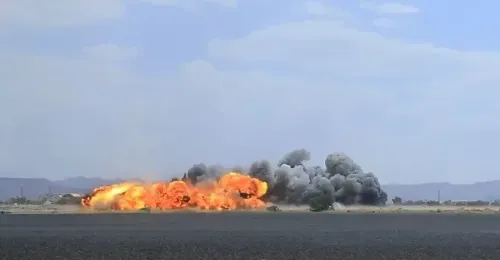
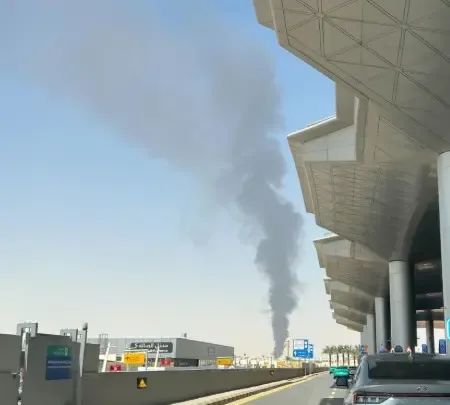
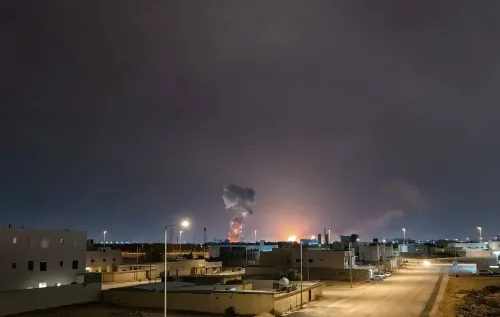
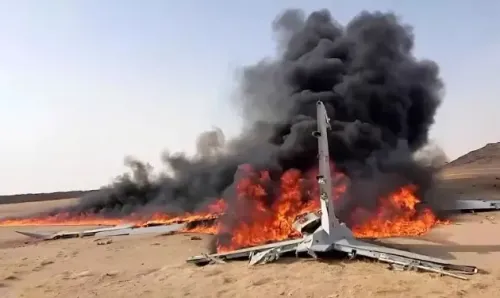
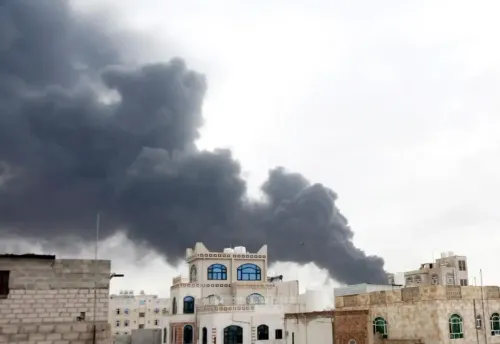
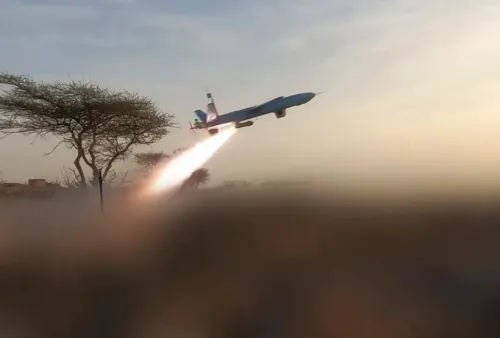
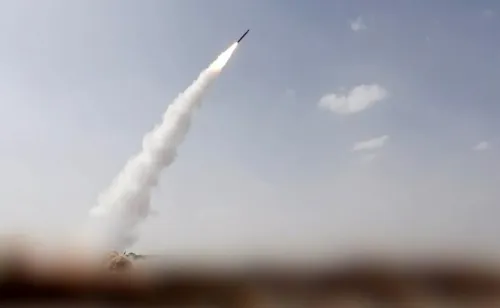
The conflict has increasingly spilled beyond Yemen's borders. On Saturday, the Houthis claimed to have targeted an Aramco facility in Riyadh using ballistic missiles and drones, while simultaneously accusing Saudi Arabia of conducting intensified airstrikes across Houthi-held Yemeni territory. The cross-border dimension adds a layer of regional complexity that could affect the pace and scope of any government offensive.
Background: A Decade of Civil War
Yemen's conflict traces its origins to late 2014, when Houthi forces seized the capital Sanaa and large swaths of northern Yemen. A Saudi-led coalition intervened in March 2015 in support of the internationally recognised government, but the war has since ground into one of the world's worst humanitarian crises. With this latest escalation, both sides appear to be repositioning for a potentially decisive — if still uncertain — phase of the conflict.
Point of View
Not from Yemeni soil, which itself speaks volumes. The Houthi cross-border strike on an Aramco facility, if confirmed, elevates this beyond a civil conflict and risks drawing Saudi Arabia back into a more direct combat role, potentially internationalising the fighting once again. A decade in, the gap between declared intent and battlefield reality has rarely been wider.
NationPress
5 Oct 2026
Frequently Asked Questions
What did Rashad al-Alimi announce on 4 October 2026?
Rashad al-Alimi, chairman of Yemen's Presidential Leadership Council and commander-in-chief of its armed forces, announced the formal launch of a large-scale military campaign to retake territories held by the Houthis. The announcement was made in a televised address from Riyadh, marking a shift from mobilisation to active offensive operations.
Why did Yemen's government decide to launch the offensive now?
Al-Alimi said the decision followed resolutions by the National Defence Council and came after all opportunities for de-escalation had been exhausted. He accused the Houthis of using the period of restraint to recruit more fighters and expand attacks rather than engage in peace efforts.
Are civilians in Houthi-held areas at risk from the offensive?
Al-Alimi explicitly stated the campaign is not targeting residents of Sanaa, Saada, Hodeidah, or other Houthi-controlled provinces. He urged civilians to stay away from military positions and renewed an offer of amnesty for Houthi fighters who lay down their weapons.
What is the current battlefield situation in Yemen?
Even as the offensive was announced, Houthi fighters were reportedly advancing in Taiz province, capturing positions in Ash Shamayatayn and Al-Ma'afer districts. The Houthis also claimed a ballistic missile and drone strike on an Aramco facility in Riyadh on Saturday.
How did Yemen's civil war begin?
The conflict began in late 2014 when Houthi forces seized the capital Sanaa and large parts of northern Yemen. A Saudi-led coalition intervened in March 2015 in support of the internationally recognised Yemeni government, and fighting has continued, with immense humanitarian consequences, ever since.