Is Human Rights in Bangladesh Under Threat by Yunus' Government?
Synopsis
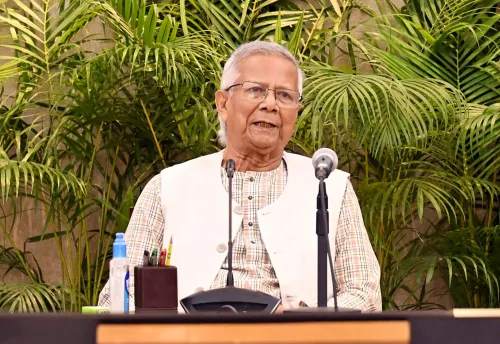
Amnesty International's Secretary General, Agnes Callamard, warns of the ongoing human rights violations in Bangladesh under the interim government led by Muhammad Yunus. With elections approaching, she calls for urgent reforms to protect freedoms and ensure accountability.
Key Takeaways
Concerns raised about human rights in Bangladesh Call for an end to misuse of anti-terror laws Importance of accountability for attacks on media Upcoming elections as a turning point International obligations and reforms needed
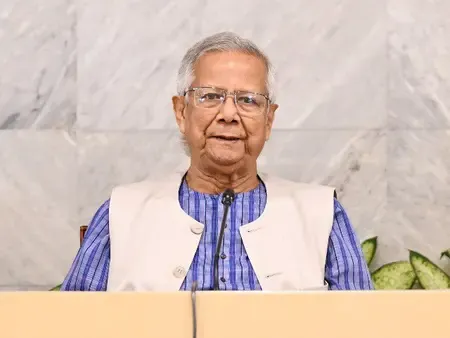
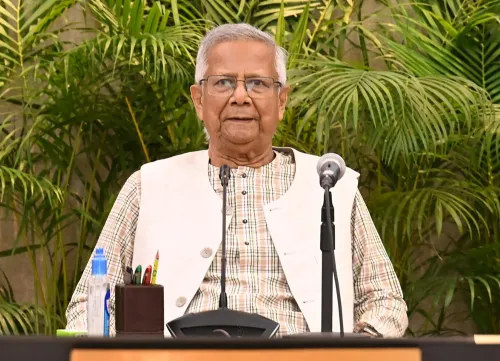
Dhaka, Jan 29 (NationPress) The Secretary General of Amnesty International, Agnes Callamard, has reached out to Bangladesh’s interim government Chief Advisor, Muhammad Yunus, voicing her alarm regarding the persistent misuse of anti-terror laws against journalists by Bangladeshi authorities. She emphasized their ongoing failure to uphold the rights to life, personal security, and the freedoms of expression and association.
In her correspondence, Callamard urged the interim government to prioritize human rights in the forthcoming elections on February 12. This includes halting the misuse of security laws against journalists and critics, ensuring law enforcement acts responsibly to protect those exercising their rights, and holding accountable those responsible for attacks on media personnel and minorities throughout Bangladesh.
“The upcoming elections on February 12, 2026 are pivotal for Bangladesh, presenting an opportunity to move towards a nation where the rights and dignity of all individuals are respected and nurtured. Despite Bangladesh being a participant in key international human rights treaties such as the International Covenant on Civil and Political Rights (ICCPR), the Convention Against Torture (CAT), and the International Covenant on Economic, Social and Cultural Rights (CESCR), significant barriers hinder the effective implementation of these standards,” the letter stated.
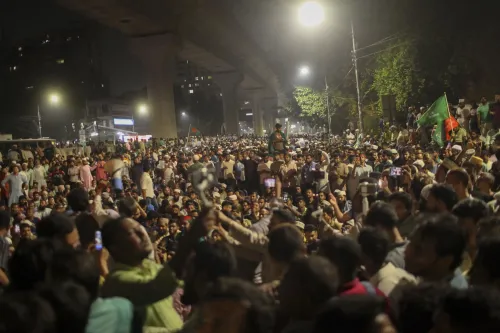
Callamard condemned the violence following the death of radical Islamist leader Sharif Osman Hadi on December 18, 2025, where demonstrators set fire to the offices of Bangladeshi newspapers The Daily Star and Prothom Alo, attacked cultural institutions Chhayanaut and Udichi Shilpi Gosthi, and harassed the editor of a major English publication.
“Additionally, Dipu Chandra Das, a Hindu garment worker, was lynched by an angry mob over allegations of blasphemy. These incidents exemplify a severe failure to protect human rights—specifically the right to life, personal security, and freedom of expression, as outlined in articles 6, 9, and 19 of the ICCPR,” she remarked.
Condemning the assaults on media representatives, Callamard noted, “These acts are part of a disturbing trend of violence against journalists, media personnel, minorities, and artists perpetrated by non-state actors in 2025. Bangladesh has a duty to investigate and hold offenders accountable, and authorities must also take proactive measures to prevent such attacks. The slow response and ineffectiveness of law enforcement in these situations highlight a significant failure on the part of the government to fulfill its human rights responsibilities.”
Emphasizing that the lead-up to the elections on February 12 will serve as a crucial test of the interim government’s dedication to Bangladesh’s international obligations and the rule of law, she stated, “The decisions made during this period will determine the future trajectory of human rights in Bangladesh. The interim government must take this chance to exhibit true leadership by ensuring that everyone in Bangladesh can engage freely, safely, and without fear in shaping the nation’s future.”
Point of View
It's crucial to recognize the ongoing struggles for human rights in Bangladesh. We stand firmly with the people, advocating for their rights and freedoms, especially as the nation approaches pivotal elections. The international community's involvement, as highlighted by Amnesty International, signals the importance of accountability and reform. Our commitment remains to inform and support the pursuit of justice and dignity for all citizens.
NationPress
14 Sept 2026
Frequently Asked Questions
What are the main concerns raised by Amnesty International regarding Bangladesh?
Amnesty International highlighted the misuse of anti-terror laws against journalists and the failure to protect fundamental human rights, particularly in the context of the upcoming elections.
Who is Agnes Callamard?
Agnes Callamard is the Secretary General of Amnesty International, an organization focused on human rights advocacy worldwide.
What specific incidents were mentioned in the letter to the interim government?
The letter referenced violent protests following the death of radical leader Sharif Osman Hadi and the lynching of a Hindu garment worker, Dipu Chandra Das, over blasphemy allegations.
What implications do the upcoming elections have for human rights in Bangladesh?
The elections represent a crucial moment for the interim government to demonstrate its commitment to upholding human rights and ensuring accountability.
How does the international community view the situation in Bangladesh?
The international community, as represented by organizations like Amnesty International, is closely monitoring the situation and urging reforms to protect human rights in Bangladesh.