Is the Nobel Peace Prize a Symbol of Justice or Silence? Calls for Action Against Yunus Amidst Bangladesh Violence
Synopsis
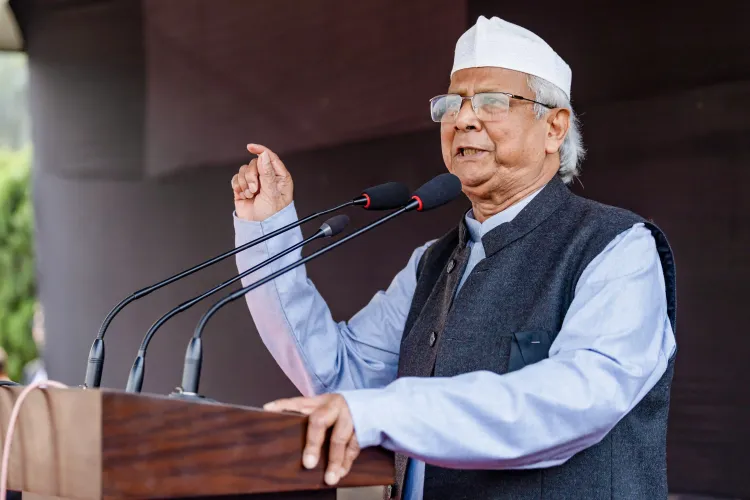
As violence escalates in Bangladesh, Nobel laureate Muhammad Yunus faces scrutiny for his silence. Human rights organizations are urging the Norwegian Nobel Committee to hold him accountable, emphasizing that the Nobel Peace Prize should symbolize justice, not indifference. Will Yunus step up for those suffering in his country?
Key Takeaways
Nobel laureate Muhammad Yunus faces criticism for silence during a humanitarian crisis.
Human rights organizations demand accountability from the Nobel Committee .
The ongoing violence in Bangladesh highlights severe human rights abuses.
The Nobel Peace Prize's integrity is at stake.
Victims in Bangladesh deserve recognition and support.
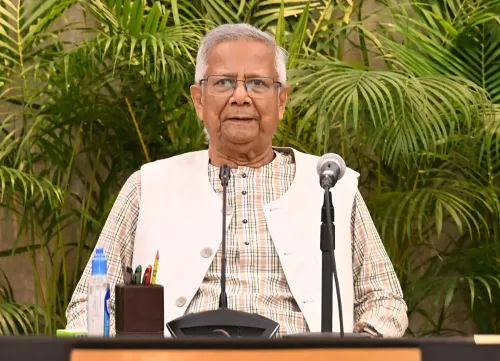
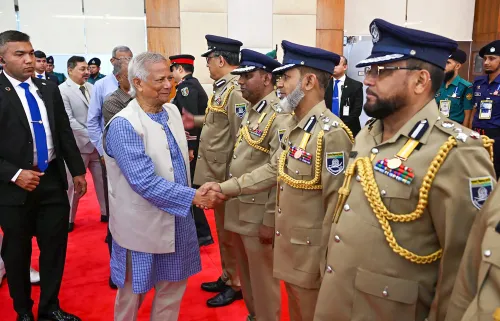
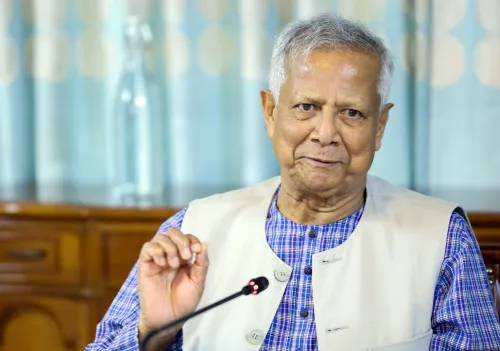
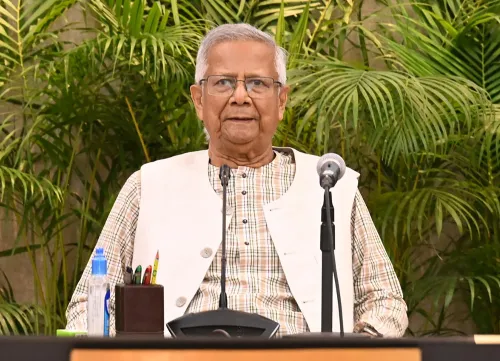
Ottawa, Dec 22 (NationPress) Nobel laureate Muhammad Yunus, who is currently the Chief Advisor of the Bangladesh interim government, has come under fire for his silence amidst ongoing violence and human rights violations in the country. This concern was articulated in a letter addressed to the Norwegian Nobel Committee by various human rights organizations. The letter, shared by the Canada-based think tank Global Centre for Democratic Governance (GCDG) on its social media platform X, highlighted the urgent need for Yunus to publicly demonstrate moral leadership given the severe humanitarian crisis facing Bangladesh.
Human rights advocates pointed out that when a person with global moral authority and national responsibility chooses to remain silent in the face of widespread suffering, it results in significant ethical ramifications. The call for action comes against a backdrop of escalating violence in Bangladesh, particularly affecting minorities, media outlets, cultural institutions, and diplomatic missions, all occurring under the Yunus-led interim government following the assassination of radical Islamist leader Sharif Osman Hadi.
The letter underscored that for over a century, the Nobel Peace Prize has stood as a testament to humanity's highest ethical values of peace, justice, and moral courage. Its significance is derived not only from the prestige of its laureates but also from the moral clarity it represents during crises of human suffering.
With reports detailing the alarming decline of human rights in Bangladesh, the signatories referenced credible eyewitness accounts of targeted violence, destruction of homes, attacks on cultural and religious establishments, and systematic intimidation of marginalized communities, especially religious and ethnic minorities.
Women and children are highlighted as particularly vulnerable in this context. The activists emphasized that these violations are not random but indicative of organized and sustained attacks on fundamental human rights.
They clarified that their message is not driven by political bias, but rather rooted in universal principles of humanity, accountability, and justice. The letter argued, "Peace cannot thrive where fear dominates daily existence. Neutrality is untenable in a scenario where fundamental rights are routinely infringed upon. We urge the Norwegian Nobel Committee and the Nobel Foundation to consider their ethical responsibilities at this critical juncture. Upholding the moral integrity of the Nobel Peace Prize necessitates transparency, moral clarity, and the courage to confront suffering in plain view of the world," it stated.
The activists accentuated the need to acknowledge the victims in Bangladesh, stressing that the global conscience compels accountability.
"The Nobel Peace Prize must continue to signify justice, not silence. History will judge how institutions reacted when human dignity was threatened. We genuinely hope that the Nobel Committee will be remembered for siding with humanity," the letter concluded.
Point of View
It is crucial to approach the unfolding situation in Bangladesh with a commitment to integrity and objectivity. The silence of influential figures like Yunus during a humanitarian crisis raises ethical concerns that demand public discourse and accountability. Our coverage will focus on the importance of human rights and the universal principles that bind us as a global community.
NationPress
24 Sept 2026
Frequently Asked Questions
What is the current situation in Bangladesh?
Bangladesh is experiencing escalating violence and human rights abuses, particularly affecting minorities and cultural institutions.
Who is Muhammad Yunus?
Muhammad Yunus is a Nobel laureate and the Chief Advisor of the Bangladesh interim government.
Why are human rights organizations concerned about Yunus's silence?
They believe his silence amid the humanitarian crisis undermines the moral authority associated with the Nobel Peace Prize.
What do the human rights organizations want from the Nobel Committee?
They are urging the Nobel Committee to hold Yunus accountable and reflect on their ethical responsibilities.
What implications does this situation have for the Nobel Peace Prize?
It raises questions about the Prize's role as a symbol of justice and moral courage in times of crisis.