Zelensky seeks €70 billion more from EU, slams US over Starlink curbs and Moscow dealings
Synopsis
At the Brussels EU summit, Zelensky made his most direct double appeal yet — demanding €70 billion more from Europe while publicly calling out Washington over Starlink speed curbs, a diesel deal with Moscow, and what he described as a US betrayal of Kyiv. With Trump claiming Putin is keener on peace than Zelensky, the transatlantic rift over Ukraine is widening in real time.
Key Takeaways
Volodymyr Zelensky requested at least €70 billion in additional EU assistance for 2027 at the Brussels summit on 16 October .
Ukraine's total war costs are projected to reach €155 billion in 2027, according to Zelensky.
Starlink speed restrictions — imposed without advance notice to Kyiv — reportedly disrupted drone interceptions and military logistics.
Zelensky criticised the US for a diesel agreement with Moscow and easing of sanctions, saying Ukraine was not informed.
Zelensky told the Financial Times Ukraine would resume strikes on Russian oil refineries, saying the US refinery strike block is 'out.' President Trump claimed at the White House that Putin is more willing to reach a deal than Zelensky.
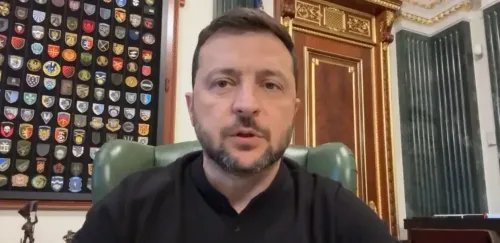
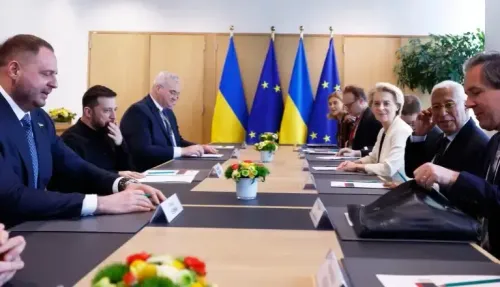
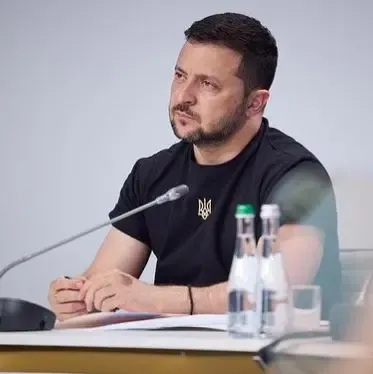
Ukrainian President Volodymyr Zelensky on Friday, 16 October demanded at least €70 billion (approximately $78.8 billion) in additional European Union support for 2027, warning that Ukraine's war-related costs would reach €155 billion next year. Addressing EU heads of government at a summit in Brussels, Zelensky appealed for funding across defence, weapons, and national resilience — even as he voiced sharp frustration over Washington's recent conduct toward both Kyiv and Moscow.
Zelensky's Appeal to EU Leaders
'We need at least 70 billion euros more from you — for defence, for weapons, and for our resilience. This is a realistic amount. And I ask you to find this support,' Zelensky told the assembled EU leaders. The appeal reflects a deepening Ukrainian calculation that European backing must compensate for what Kyiv views as an increasingly unreliable US posture.
Starlink Restrictions: A 'Dangerous Surprise'
At a subsequent press conference, Zelensky acknowledged Ukraine's significant operational dependence on the US-controlled Starlink satellite communications network. He said recent speed restrictions — reportedly imposed without advance notice to Kyiv — had disrupted drone interception operations and military logistics. 'Starlink was not turned off, but the speed limits were lowered,' he said, calling the development a 'very dangerous and unpleasant surprise.' The incident has intensified debate inside Ukraine and among its European allies about the risks of depending on privately controlled infrastructure for frontline communications.
Ukraine's Frustration Over US-Russia Dealings
Zelensky also criticised Washington's recent diesel supply agreement with Moscow and the easing of certain sanctions, stating that Ukraine had not been informed in advance. He added, however, that Ukrainian and American negotiating teams remained in contact. Separately, Zelensky told British media that Ukraine would resume strikes on Russia's oil refineries, describing recent US moves as a betrayal of Kyiv. 'The block (on attacking refineries) is out. We're done,' he said in an interview with the Financial Times, arguing that Ukraine had paused energy strikes for three days to comply with a US-announced 'energy ceasefire,' while Moscow continued to attack Ukrainian energy infrastructure.
Trump's Contrasting Position
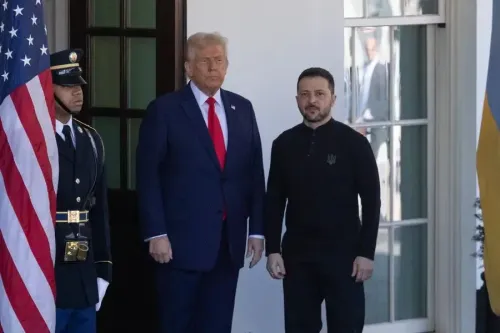
US President Donald Trump last week declared that Russia and Ukraine had agreed to an immediate 'energy ceasefire' — an assertion that Ukrainian officials and European observers have questioned given alleged continued Russian strikes. Trump had also suggested that Russian President Vladimir Putin was more willing to negotiate than Zelensky. 'I think, actually, Putin wants to make a deal more than Zelensky,' Trump told reporters at the White House. The remarks have drawn criticism from Kyiv and some European capitals, who argue that framing places undue moral equivalence between the aggressor and the defender.
What This Means Going Forward
The Brussels summit underlines an accelerating divergence between the US and EU approaches to the Ukraine conflict. European capitals are under pressure to step up both financial and military commitments as American support grows more conditional. Zelensky's public venting — unusual in its directness against a key ally — signals Kyiv's growing urgency as battlefield conditions and diplomatic dynamics shift heading into 2027 planning cycles.
Point of View
A diesel deal with Moscow, and a claimed 'energy ceasefire' Ukraine never endorsed — marks a qualitative shift in how Kyiv now manages its most powerful backer. The risk is that European capitals, already stretched on defence budgets, are being asked to fill a gap that grows each time US-Russia back-channel dealings sideline Kyiv. Trump's framing of Putin as the more peace-willing party is not just a diplomatic slight — it hands Moscow a narrative win at a moment when alleged ceasefire violations by Russia remain unresolved. The broader pattern here is the gradual erosion of the unified Western front that defined the conflict's early phase.
NationPress
17 Oct 2026
Frequently Asked Questions
How much additional EU funding is Zelensky requesting and why?
Zelensky is requesting at least €70 billion in additional EU assistance for 2027, on top of existing commitments, arguing that Ukraine's total war costs next year will reach €155 billion . He said the funds are needed for defence, weapons procurement, and national resilience.
What happened with Starlink and why is Ukraine concerned?
The US-controlled Starlink satellite network had its speeds reduced for Ukrainian military use, reportedly without advance warning to Kyiv. Zelensky said the restrictions disrupted drone interception operations and military logistics, calling them a 'very dangerous and unpleasant surprise.'
Why is Zelensky criticising the United States?
Zelensky criticised Washington for striking a diesel supply agreement with Moscow, easing certain sanctions, and announcing an 'energy ceasefire' that Ukraine says it was not consulted on — even as Russia allegedly continued striking Ukrainian energy infrastructure. He also called the curbs on Starlink a form of betrayal.
What did Zelensky say about Ukraine resuming strikes on Russian refineries?
In an interview with the Financial Times, Zelensky said Ukraine would restart strikes on Russia's oil refineries, stating 'The block is out. We're done.' He explained that Ukraine had paused such strikes for three days to honour a US-announced energy ceasefire, but would no longer do so given Moscow's continued attacks on Ukrainian energy infrastructure.
What is President Trump's position on the Russia-Ukraine conflict?
Trump last week announced a Russia-Ukraine 'energy ceasefire' and has publicly stated that Putin appears more willing to negotiate a peace deal than Zelensky. Critics in Kyiv and European capitals argue this framing unfairly equates the two sides and gives a diplomatic advantage to Moscow.