Gujarat crypto arrest: 10th accused held in ₹226 crore dark web terror finance racket
Synopsis
Gujarat CID's tenth arrest in a ₹226 crore crypto racket exposes a network allegedly touching Hamas, the Houthis, Iran's IRGC-QF, and a UK drug trafficking ring — all run through Monero and USDT, with one accused continuing to operate from a British prison. The scale and international reach make this one of the most complex crypto-crime cases investigated in India to date.
Key Takeaways
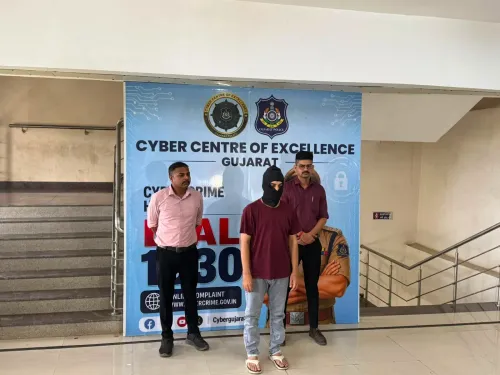
Ghulamali Qureshi ( 25 ), of Mirzapur, Ahmedabad , arrested as the tenth accused in the syndicate on 25 May 2025 .
Total alleged transactions across the network: USD 23,962,383 , estimated at ₹226.54 crore .
Network allegedly linked to Hamas , Ansar Allah (Houthis) , Iran's IRGC-QF , Garantex , and the Ilan Shor network — all OFAC-sanctioned entities.
Accused Salman Ansari sentenced to six years in Britain in October 2024 for drug trafficking; allegedly continued operating from prison.
Around 60 bank accounts frozen; Binance P2P accounts linked to 935 cyber fraud complaints on the National Cyber Crime Reporting Portal.
Case registered under Bharatiya Nyaya Sanhita, 2023 and the IT Act, 2008 for organised crime, conspiracy, cyber fraud, and terror financing.
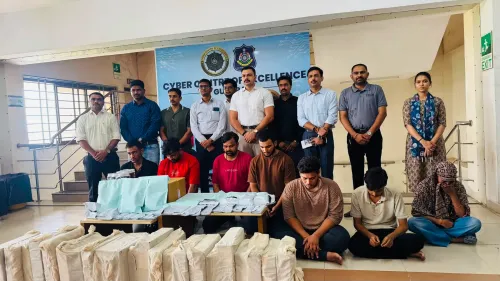
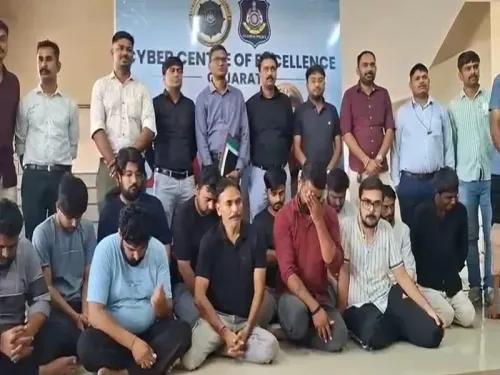
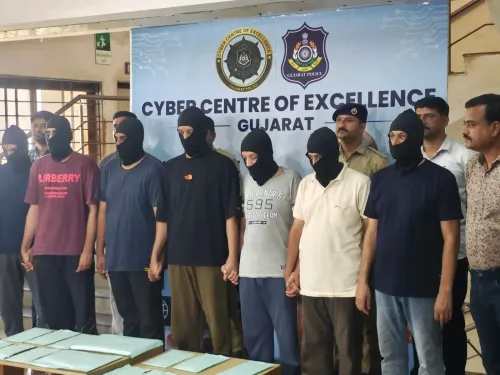
Gujarat CID Crime's Cyber Centre of Excellence has arrested a tenth accused in an alleged international cryptocurrency syndicate, with total transactions across the network estimated at ₹226.54 crore (approximately USD 23,962,383), officials said on Sunday, 25 May 2025. The syndicate is accused of linking dark web narcotics trade, terror financing, money laundering, and cyber fraud through layered cryptocurrency channels.
Who Was Arrested
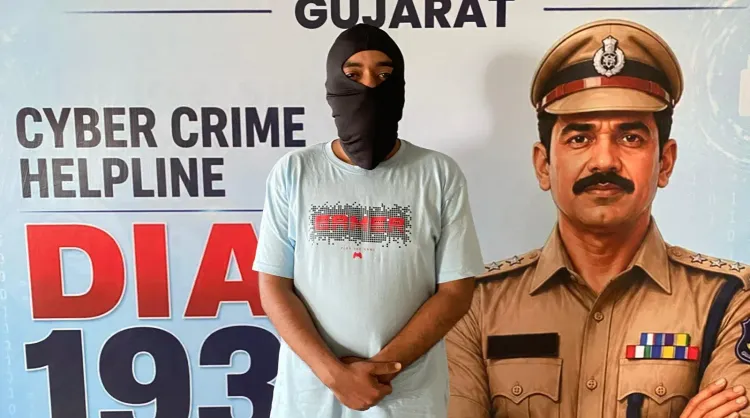
The latest accused, Ghulamali Qureshi (25), a resident of Mirzapur in Ahmedabad, was reportedly hiding in Rajasthan, primarily in Udaipur, for approximately one-and-a-half to two years, according to officials. Investigators allege he operated illegal cryptocurrency transactions and converted so-called 'dirty crypto' into USDT through peer-to-peer platforms and mule bank accounts. Police said he used a Binance wallet registered in his father's name and allegedly facilitated illegal funding of around ₹42 lakh, carrying out USDT transactions worth between ₹10 crore and ₹15 crore.
Around ₹43 lakh linked to dirty crypto transactions was allegedly transferred into his wallet through intermediary wallets. Two mobile phones were seized from him at the time of arrest.
The Network and Its Alleged Terror Links
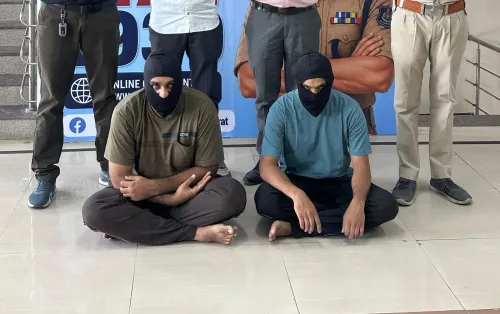
The arrest follows the earlier detention of nine accused in the same case. Investigators used blockchain analysis to trace cryptocurrency transactions linked to the alleged illegal online narcotics marketplace 'ARTEMISLAB.CC'. Funds from the platform were reportedly transferred into cryptocurrency wallets operated from Gujarat, including one belonging to Mohsin Molani, whose wallet analysis allegedly revealed financial ties with nine other users across India.
According to officials, the wallet of Dubai-based accused Mohammad Zuber Popatiya was identified in 2025 by Israel's National Bureau for Counter Terror Financing (NBCTF) and allegedly had direct transactions with the 'Dubai Company for Exchange', which investigators linked to Hamas. Officials further stated that wallets in the network reportedly received funds from entities sanctioned by the United States Office of Foreign Assets Control (OFAC), including Yemen-based group Ansar Allah (also known as the Houthis), Iran's IRGC-QF, Russia-based crypto exchange Garantex, and wallets associated with the Ilan Shor network.
Monero, Hawala and the UK Drug Trade
Investigators alleged that the group extensively used Monero, an anonymous cryptocurrency frequently associated with dark web activity and terror financing, to conceal transactions worth nearly ₹2 crore. Officials also alleged that the syndicate had been involved in drug trafficking operations in Britain since 2023.
During interrogation, Molani allegedly disclosed that he received drug orders for Britain through Telegram groups and other online platforms before forwarding details to Popatiya in Dubai, who arranged supplies through a UK-based network. Another accused, Salman Ansari, was sentenced to six years' imprisonment in Britain in October 2024 after being convicted of drug trafficking and money laundering. Investigators claimed evidence recovered from Molani suggested that Ansari continued to operate the network from prison.
Officials described Salman Ansari and Mohammad Zuber Popatiya as the alleged masterminds of the Monero-based terror finance network. Funds were reportedly routed through hawala and angadia channels and later distributed through local operatives, including arrested accused Ghulam Sadiq Ibadulla Ansari, who is Salman's father.
Scale of the Cyber Fraud Trail
Around 60 bank accounts connected to the transactions were frozen during the investigation. Analysis of Binance-linked peer-to-peer bank accounts reportedly revealed links to 935 complaints registered on the National Cyber Crime Reporting Portal involving cyber fraud carried out using fake identities.
The case has been registered under Sections 111(2)(B), 153 and 61 of the Bharatiya Nyaya Sanhita, 2023, and Sections 66(C) and 66(D) of the Information Technology Act, 2008, covering organised crime, criminal conspiracy, cyber fraud, and alleged financial assistance to terrorist activities. Separate investigation teams operated under the supervision of Superintendent of Police Dr Rajdeepsinh Jhala, Sanjay Keshwala, and Vivek Bheda.
With the tenth arrest made and international leads still active, investigators are expected to pursue further action against overseas accused, including Popatiya in Dubai.
Point of View
And the ARTEMISLAB link suggests the dark web marketplace model is actively exploiting that gap. The 935 cyber fraud complaints tied to just one cluster of P2P accounts also underscores how terror-adjacent networks double as domestic fraud infrastructure — a connection regulators and courts will need to treat as a single threat, not separate cases.
NationPress
16 Oct 2026
Frequently Asked Questions
Who is Ghulamali Qureshi and why was he arrested?
Ghulamali Qureshi is a 25-year-old resident of Mirzapur, Ahmedabad, arrested as the tenth accused in an alleged international cryptocurrency syndicate by Gujarat CID Crime's Cyber Centre of Excellence. He is accused of converting dirty crypto into USDT through peer-to-peer platforms and mule accounts, allegedly facilitating illegal funding of around ₹42 lakh.
What is the total value of transactions in the Gujarat crypto syndicate case?
According to investigators, combined transactions across the accused persons' accounts amounted to USD 23,962,383, with an estimated present value of ₹226.54 crore. The figure spans multiple wallets and bank accounts across India and abroad.
Which international terror groups are allegedly linked to this network?
Officials alleged the network had financial links to Hamas, Yemen-based Ansar Allah (the Houthis), Iran's IRGC-QF, Russia-based crypto exchange Garantex, and the Ilan Shor network — all entities sanctioned by the United States Office of Foreign Assets Control (OFAC). The Dubai-based accused Mohammad Zuber Popatiya's wallet was also flagged by Israel's National Bureau for Counter Terror Financing in 2025.
What is Monero and why is it significant in this case?
Monero is a privacy-focused cryptocurrency designed to make transactions untraceable, making it a preferred tool for dark web transactions, terror financing, and drug trafficking. In this case, investigators alleged the syndicate used Monero to conceal transactions worth nearly ₹2 crore.
What charges have been filed in the Gujarat crypto terror case?
The case has been registered under Sections 111(2)(B), 153 and 61 of the Bharatiya Nyaya Sanhita, 2023, and Sections 66(C) and 66(D) of the Information Technology Act, 2008, covering organised crime, criminal conspiracy, cyber fraud, and alleged financial assistance to terrorist activities.