Gujarat cyber fraud bust: 13 arrested in ₹631.86 crore mule account network linked to 982 cases
Synopsis
Gujarat police dismantled a ₹631.86 crore cyber fraud network in a single coordinated sweep, arresting 13 people across five cities. The network used shell firms, Telegram-sourced breached data, and OTP theft to siphon funds — with complaints stretching across 28 states. The scale of the operation exposes how industrialised India's cybercrime ecosystem has become.
Key Takeaways
13 accused arrested across Ahmedabad, Surat, Vadodara, Bharuch and Rajkot under Operation Mule Hunt 2.0 on 23 May 2025 .
The network allegedly routed more than ₹631.86 crore through mule bank accounts and shell companies.
Verification of 45 bank accounts via the NCCRP revealed 982 fraud complaints and over 200 FIRs across India.
Fraudsters allegedly used breached databases from Telegram channels to obtain customer IDs and OTPs for unauthorised account access.
Shell firms including SNB Aqua Shipping , Zeppelin Overseas Shipping and DKG Creation and Technologies were used as fronts.
Network members reportedly earned commissions of 4% to 8% per fraudulent transaction facilitated.
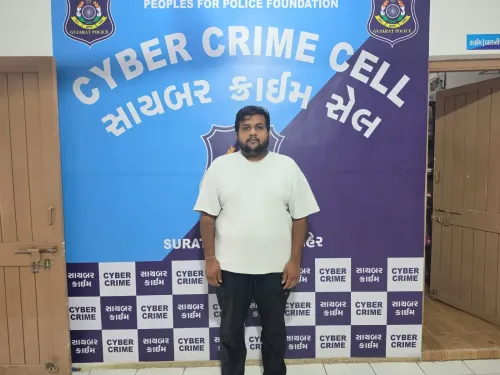
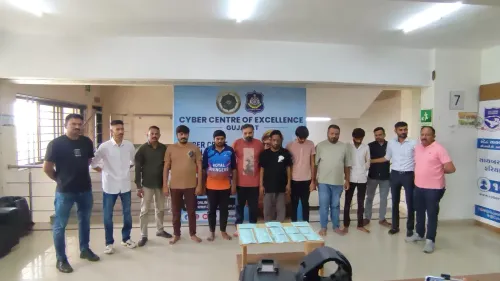
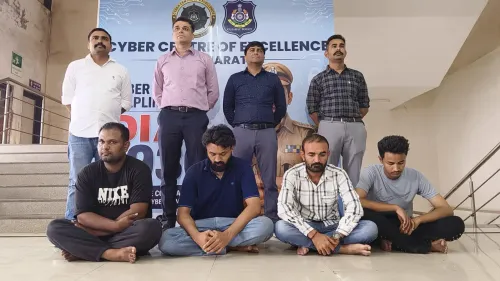
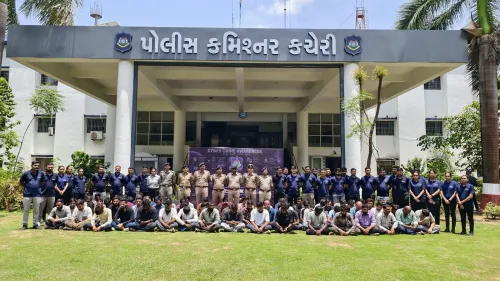
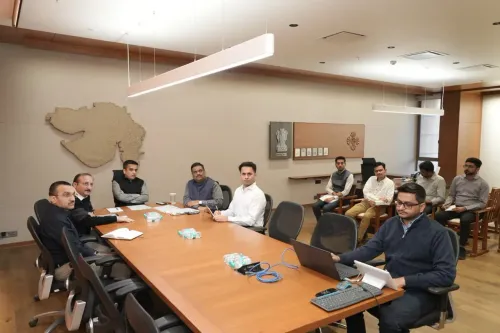
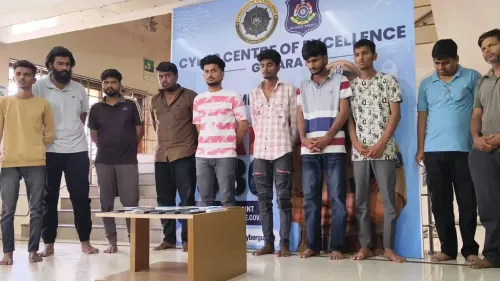
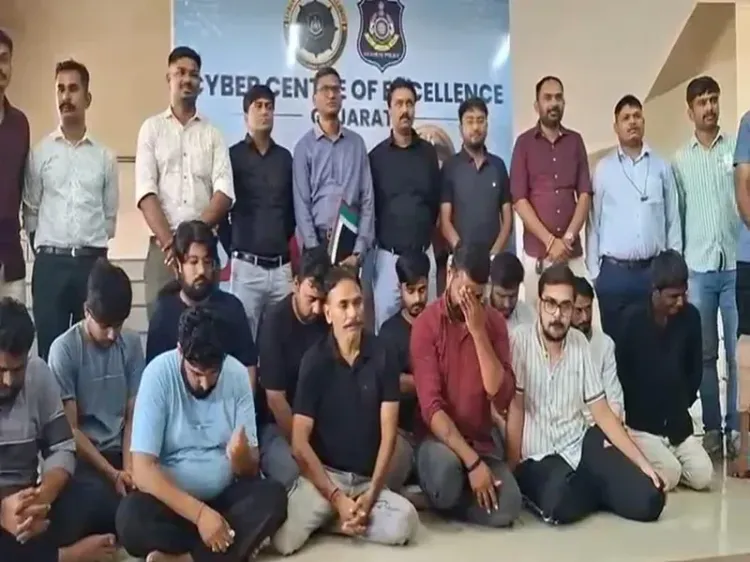
A coordinated cybercrime sweep across Gujarat has resulted in the arrest of 13 accused allegedly operating a multi-state cyber fraud network that routed more than ₹631.86 crore through mule bank accounts and shell companies, police said on Saturday, 23 May. The arrests, spanning Ahmedabad, Surat, Vadodara, Bharuch and Rajkot, were made under 'Operation Mule Hunt 2.0' by the Cyber Centre of Excellence following directives from senior police officials.
How the Operation Was Executed
Superintendent of Police Rajdeepsinh Jhala said the crackdown was built on technical analysis and human intelligence inputs, enabling simultaneous raids across five districts. Four separate FIRs were registered over four days before the arrests were made. Verification of 45 bank accounts linked to the accused through the National Cybercrime Reporting Portal (NCCRP) uncovered 982 cyber fraud complaints registered across India, with more than 200 FIRs lodged in different states.
How the Fraud Network Operated
Investigators identified at least three distinct modules within the network. One group allegedly operated under a firm named 'Saurath Overseas', using mule bank accounts to route illicit funds. According to police, Madhavji Kotadiya, in coordination with Vimal Jada, allegedly used breached databases sourced from Telegram channels and other online platforms to obtain banking customer IDs and mobile numbers, which were then used to target victims with fake credit card offers.
'Vimal Jada is accused of contacting victims using social engineering techniques, obtaining OTPs from them and subsequently changing bank account passwords to gain unauthorised access. Once access was secured, the funds were allegedly withdrawn and transferred into mule accounts operated by the network,' SP Jhala said.
A separate syndicate based in Ahmedabad and Surat allegedly used shell firms — 'SNB Aqua Shipping Private Limited', 'Zeppelin Overseas Shipping Private Limited' and 'DKG Creation and Technologies Gujarat' — as fronts to open mule accounts and launder fraud proceeds in exchange for commissions. A third module, operating from Vadodara and Bharuch, allegedly used accounts opened under names including 'Air Conditioning Hub' and 'Works Global' to circulate cybercrime proceeds.
Preliminary interrogation revealed that network members earned commissions of between four per cent and eight per cent for facilitating fraudulent transactions. The fraud categories involved included online financial fraud, internet banking fraud, UPI scams, investment fraud and deposit-related fraud.
Nationwide Reach of the Complaints
NCCRP data analysis showed complaints registered across 28 states and union territories. Maharashtra recorded the highest number at 137, followed by Karnataka (126), Uttar Pradesh (87), Tamil Nadu (83), Telangana (64), Gujarat (77), Delhi (53), Rajasthan (47), West Bengal (46) and Haryana (38), among others. The total nationwide complaint count stands at 982.
Who Was Arrested and What Was Seized
From Ahmedabad and Surat, police arrested Manish Lodha (39), Ankit Lodha (28), Naveen Vaishnav, Mohit Nahar, Madhavji Kotadiya, Nayan Italia, Nimesh Jetani and Vimal Jada. From Vadodara and Bharuch, Arbaz Pirzada, Faizan Sodagar, Kasifali Sheikh and Mohammad Memon were taken into custody. Hardik Sarvaiya was arrested from Rajkot.
Seized material included 28 mobile phones, 39 cheque books, two laptops, 12 ATM/debit cards, one passbook and four firm stamps belonging to the shell companies involved. SP Jhala confirmed that further investigation is underway to trace the flow of funds and identify remaining associates. Authorities have urged citizens never to share bank account details or OTPs with anyone.
Point of View
Telegram-sourced breached data, and layered commission structures points to an organised, quasi-corporate fraud model — not opportunistic hacking. With 982 complaints spanning 28 states, this is a national problem being addressed through a state-level operation, which raises the question of whether India's cybercrime response architecture is adequately centralised. The NCCRP data, while useful for mapping complaints, has not yet translated into proportionate prosecution rates — a gap that investigators and policymakers must close before networks of this scale proliferate further.
NationPress
24 Sept 2026
Frequently Asked Questions
What is Operation Mule Hunt 2.0?
Operation Mule Hunt 2.0 is a coordinated cybercrime crackdown launched by Gujarat's Cyber Centre of Excellence to dismantle networks using mule bank accounts and shell companies to launder cyber fraud proceeds. The latest phase led to 13 arrests across five Gujarat cities on 23 May 2025.
How large was the Gujarat cyber fraud network?
The network allegedly facilitated fraudulent transactions worth more than ₹631.86 crore. Verification of 45 linked bank accounts through the National Cybercrime Reporting Portal revealed 982 complaints and over 200 FIRs registered across 28 states and union territories.
How did the fraudsters operate?
The network used multiple methods: breached databases sourced from Telegram to obtain customer IDs, social engineering to trick victims into sharing OTPs, and shell firms to open mule accounts that routed and laundered the stolen funds. Members earned commissions of 4% to 8% per transaction.
Which states reported the most complaints against this network?
Maharashtra recorded the highest number of complaints at 137, followed by Karnataka (126), Uttar Pradesh (87), Tamil Nadu (83), Gujarat (77), and Telangana (64), among others across 28 states and union territories.
What should citizens do to protect themselves from such fraud?
Police have urged citizens never to share bank account details, customer IDs, or OTPs with anyone, regardless of the reason given. Unsolicited calls or messages offering credit card upgrades or banking services should be treated as potential fraud attempts and reported on the NCCRP portal.