CM Himanta: 15,000 Dancers Rewrite Karbi Anglong's Story
Synopsis
Assam Chief Minister Himanta Biswa Sarma highlighted a world-record mass performance of the traditional Karbi Nimso Kerung dance, with 15,000 participants, framing it as proof of Karbi Anglong's transformation from a conflict-scarred district into a region of peace and cultural vitality.
Key Takeaways
15,000 participants performed the traditional Karbi Nimso Kerung dance, with the event claiming a world record.
CM Himanta Biswa Sarma described the event as a symbol of Karbi Anglong 's transition from decades of ethnic violence to peace and prosperity.
A tripartite peace accord signed in September 2021 between the Centre, the Assam government, and six militant groups formally ended active insurgency in Karbi Anglong .
Assam has pursued serial peace accords with insurgent outfits since 2016 , followed by cultural festivals and infrastructure pushes to project normalcy.
The Nimso Kerung event represents both a community celebration of Karbi heritage and a political milestone for the state government's north-east peace strategy.
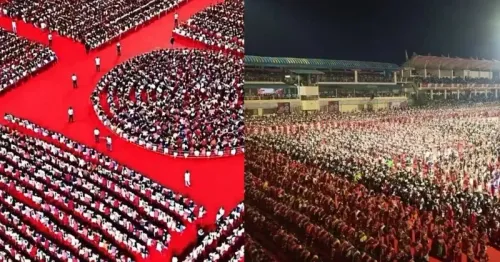
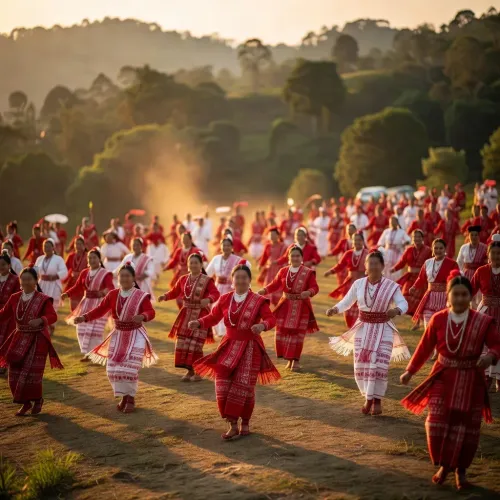
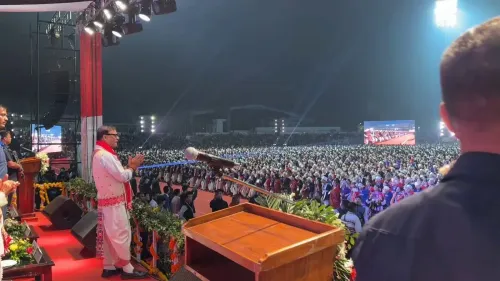
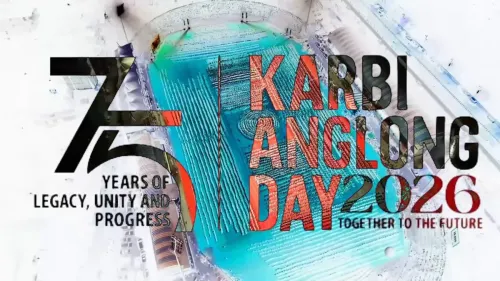
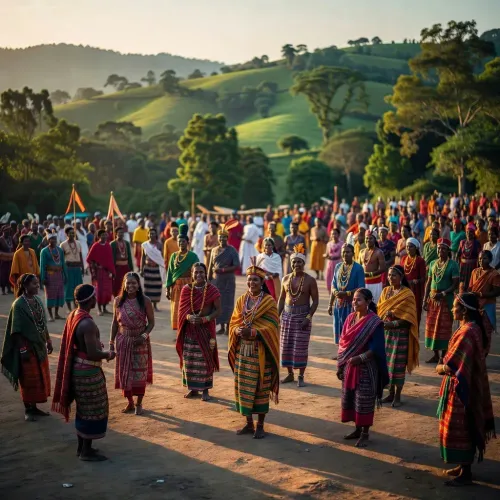
Karbi Anglong — a district whose name once conjured images of ambushes and ethnic bloodshed — made a very different kind of headline on Wednesday, November 18, 2026, as Assam Chief Minister Himanta Biswa Sarma announced that 15,000 participants had come together to perform the traditional Nimso Kerung dance, claiming a world record in the process.
What 15,000 dancers on one stage actually means
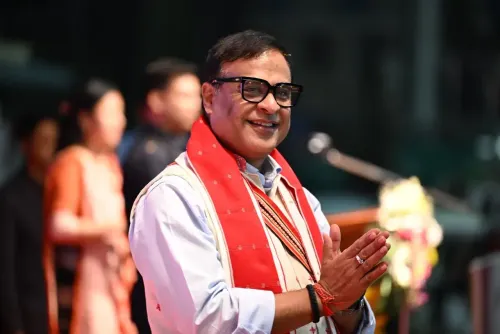
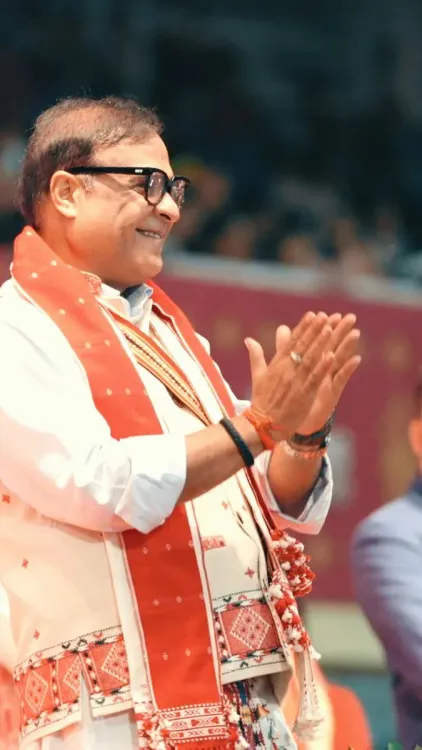
The scale alone is striking — 15,000 sisters and brothers, as CM Sarma described them, moving in unison to the joyful beat of Nimso Kerung, a traditional Karbi dance form rooted in community celebration. But the Chief Minister's framing made clear this was never just about a record. 'They showed the world the new face of Karbi Anglong: a land once scarred by violence, now a home of peace and prosperity,' he wrote on X.
The contrast he is drawing is deliberate and grounded in lived history. For decades, Karbi Anglong was a theatre of ethnic insurgency, with armed outfits such as the Karbi Longri NC Hills Liberation Front making normal civilian life a hazard. The mass gathering of 15,000 people — in a festival atmosphere, on camera, watched by the world — is the kind of image no government press release could manufacture. The community generated it themselves.
The 2021 peace accord that made the dance possible
The political architecture behind this cultural moment dates to September 2021, when a tripartite peace accord between the Centre, the Assam government, and six militant groups formally ended active insurgency in the district. The accord came with promised development packages and a commitment from the armed outfits to disarm and integrate.
That accord is now nearly five years old. The Nimso Kerung world-record event reads, in that context, as a live report card — the Karbi community itself choosing cultural expression and spectacle over silence and fear. For CM Sarma, who has been central to the serial peace-accord strategy pursued by the Assam government since 2016, events like this are the visible dividend of a long-running political bet.
Assam's pattern: accords, then festivals, then cameras
Karbi Anglong is not an isolated case. Assam governments have methodically worked through peace deals with insurgent outfits across both the hills and the plains, following each accord with cultural festivals and infrastructure investments designed to signal — and accelerate — the shift from conflict zone to development destination. The world-record dance fits neatly into that playbook: it is simultaneously a community celebration, a tourism pitch, and a political proof point.
What it also represents is the Karbi community reclaiming its own narrative. Nimso Kerung is not a government-designed spectacle; it is a tradition the Karbi people have always owned. Staging it at world-record scale, in a district that not long ago discouraged large public gatherings for security reasons, is a statement the community is making on its own terms.
Whether the momentum translates into concrete tourism circuits, infrastructure announcements, or follow-up cultural initiatives for Karbi Anglong will be the next chapter to watch — but for now, the district's new story has a very vivid opening act.
Point of View
Mass public gatherings in formerly insurgency-hit districts serve a dual purpose: they signal governance success domestically and position the north-east as a stable, tourism-ready destination nationally. The serial-accord strategy Assam has pursued since 2016 is approaching a phase where optics of normalcy must be matched by measurable development outcomes in Karbi Anglong — and observers will watch whether announcements on infrastructure or tourism circuits follow the cultural spectacle.
NationPress
18 Nov 2026
Frequently Asked Questions
What is Nimso Kerung?
Nimso Kerung is a traditional Karbi dance form from Assam, typically performed at community gatherings and cultural festivals to celebrate Karbi heritage and identity.
What world record was set at the Karbi Anglong dance event?
According to Assam Chief Minister Himanta Biswa Sarma , 15,000 people performed the Nimso Kerung dance together, claiming a world record for the largest mass performance of this traditional Karbi dance.
What was the Karbi Anglong peace accord?
In September 2021 , the Centre, the Assam government, and six militant groups signed a tripartite peace accord ending active insurgency in Karbi Anglong , accompanied by development packages and a commitment by armed outfits to disarm.
Why was Karbi Anglong known for violence?
Karbi Anglong experienced prolonged ethnic insurgency involving armed outfits such as the Karbi Longri NC Hills Liberation Front , which made it one of Assam's most conflict-affected districts for several decades before the 2021 peace accord.
What is CM Himanta Biswa Sarma's role in Assam's peace process?
Himanta Biswa Sarma , as Chief Minister of Assam and convenor of the North-East Democratic Alliance (NEDA), has been central to the Assam government's strategy of pursuing serial peace accords with insurgent outfits since 2016 , followed by development and cultural initiatives.