CM Bhajan Lal: 15,233 Homes Built for Sahariya Tribals in Baran
Synopsis
The Rajasthan CMO reported that PM-JANMAN has delivered 15,233 homes, 23 roads, 15 multipurpose centres, and 51 Van-Dhan Kendras to the Sahariya tribal community in Baran district — marking one of the state's largest PVTG infrastructure pushes under the 2023 Central scheme.
Key Takeaways
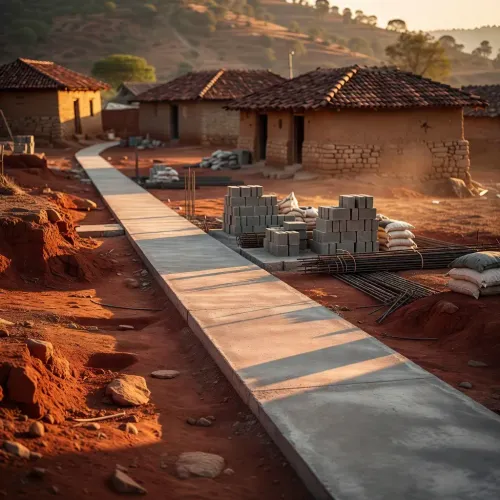
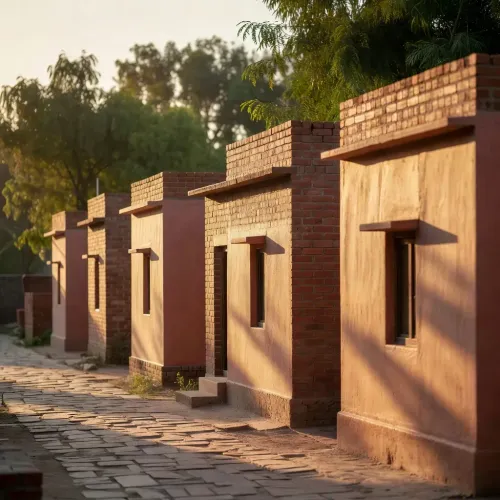
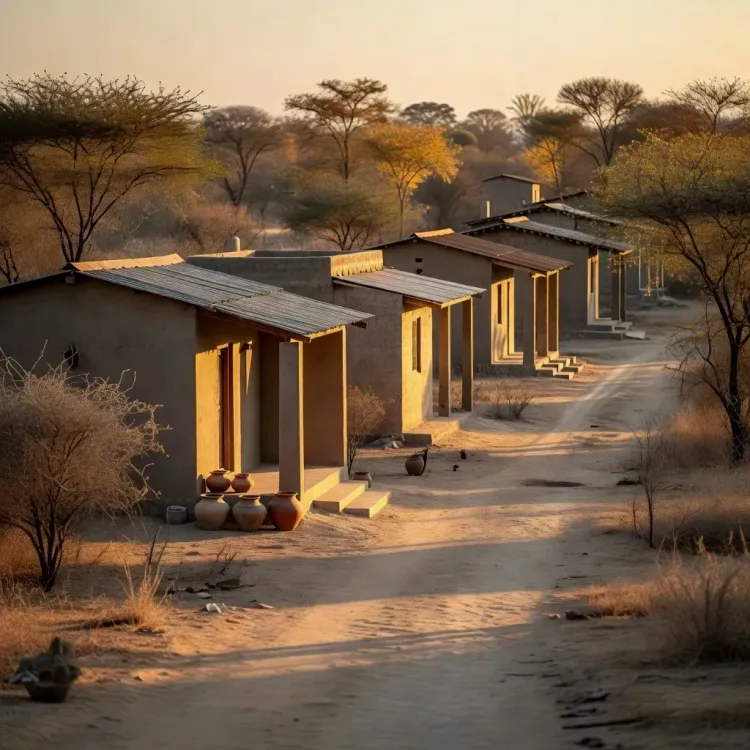
15,233 housing units constructed for Sahariya tribal families in Baran district under PM-JANMAN.
23 connectivity roads built to link isolated Sahariya habitations with essential services and markets.
15 multipurpose centres established to deliver health, skilling, and community services to PVTG areas.
51 Van-Dhan Kendras set up to add value to minor forest produce and boost tribal livelihoods.
PM-JANMAN was launched by the Central Government in November 2023 , targeting 75 PVTG communities across India for infrastructure saturation.
The Sahariya community in Baran is among India's most geographically isolated PVTGs, making connectivity and housing the primary intervention priorities.
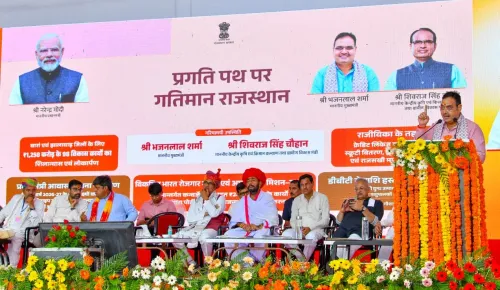
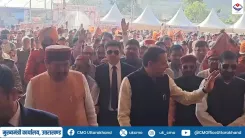
Thousands of homes, roads, and livelihood centres now stand where little existed before — the Chief Minister's Office of Rajasthan on Monday, 16 November 2026 shared a detailed progress update on the PM-JANMAN scheme in Baran district, revealing the scale of infrastructure delivered to the state's Sahariya tribal community.
The post, tagging Chief Minister Bhajan Lal Sharma, reported that under PM-JANMAN, the Sahariya region of Baran has received 15,233 housing units, 23 connectivity roads, 15 new multipurpose centres, and 51 Van-Dhan Kendras — a convergence of shelter, mobility, and livelihood infrastructure in one of Rajasthan's most underserved tribal belts.
Who are the Sahariyas, and why Baran?
The Sahariya community is classified as a Particularly Vulnerable Tribal Group (PVTG) — one of 75 such communities across India identified as needing intensive, targeted intervention due to their pre-agricultural lifestyle, geographic isolation, and extremely low development indicators. Baran district in southeastern Rajasthan is home to one of the largest Sahariya concentrations in the country, making it a focal district for PM-JANMAN's first wave of saturation.
The scheme was launched by the Central Government in November 2023, explicitly designed to end the exclusion of PVTG habitations from basic facilities — housing under PM Awas Yojana, all-weather roads, clean drinking water, electricity, and community infrastructure — through a convergent, mission-mode approach.
Van-Dhan Kendras: beyond shelter, a livelihood bridge
The 51 Van-Dhan Kendras in Baran are perhaps the sharpest signal of PM-JANMAN's design intent. These centres, integrated from the Van Dhan Yojana, are built to aggregate, process, and add value to minor forest produce — the economic backbone of PVTG communities. For Sahariya families who depend on the forest for income, a Van-Dhan Kendra transforms raw produce into a marketable product, capturing value that would otherwise leak to middlemen.
Together with the 15 multipurpose centres — which serve as nodes for health, skilling, and community services — the infrastructure package signals a deliberate shift from one-time asset transfer toward sustained economic inclusion.
What the numbers mean on the ground
At 15,233 homes, the Baran figure represents a significant push toward housing saturation for a community historically left out of mainstream welfare delivery. The 23 connectivity roads are equally consequential: in terrain where dirt tracks become impassable in monsoon, an all-weather link to the nearest market or health centre is not an amenity — it is an emergency lifeline.
The Rajasthan government's decision to highlight these numbers under the hashtag #आपणो_अग्रणी_राजस्थान ('Our Leading Rajasthan') reflects the state's framing of PM-JANMAN delivery as a showcase achievement — positioning CM Bhajan Lal Sharma's administration as an active implementation partner in the Centre's tribal welfare architecture.
With Rajasthan home to multiple PVTG communities beyond Baran, the district-level data now sets a benchmark — and a pressure point — for how quickly the state can replicate this saturation in its remaining vulnerable tribal blocks.
Point of View
While the Rajasthan government claims delivery credit. For CM Bhajan Lal Sharma, showcasing PVTG saturation metrics serves a dual purpose: it demonstrates administrative competence ahead of budget season and reinforces the party's tribal outreach narrative in a state with significant Adivasi electoral weight. The Van-Dhan component is particularly significant — it signals a shift from pure welfare delivery toward economic integration, which will be the harder, longer test of the scheme's real impact.
NationPress
16 Nov 2026
Frequently Asked Questions
What is PM-JANMAN scheme?
PM-JANMAN (PM Janjati Adivasi Nyaya Maha Abhiyan) is a Central Government scheme launched in November 2023 to deliver housing, roads, clean water, electricity, and community infrastructure to 75 Particularly Vulnerable Tribal Groups (PVTGs) across India through a mission-mode, saturation approach.
Who are the Sahariya tribals in Baran?
The Sahariya community is a Particularly Vulnerable Tribal Group (PVTG) concentrated in Baran district of Rajasthan. They are among India's most socio-economically marginalised communities, historically dependent on forest produce and classified by the government as requiring intensive development intervention.
What is a Van-Dhan Kendra?
A Van-Dhan Kendra is a tribal livelihood centre established under the Van Dhan Yojana, designed to help tribal communities aggregate, process, and add value to minor forest produce , improving their incomes by reducing dependence on middlemen.
How many homes have been built under PM-JANMAN in Baran, Rajasthan?
According to the Rajasthan CMO, 15,233 houses have been constructed in the Sahariya region of Baran district under the PM-JANMAN scheme, alongside 23 roads, 15 multipurpose centres, and 51 Van-Dhan Kendras.
What is Bhajan Lal Sharma's role in PM-JANMAN implementation?
Bhajan Lal Sharma is the BJP Chief Minister of Rajasthan since December 2023. His government is the state-level implementing partner for Central schemes including PM-JANMAN, responsible for delivering infrastructure to PVTG communities across Rajasthan.