CM Yogi Launches Census Self-Enumeration Drive in UP
Synopsis
Chief Minister Yogi Adityanath on November 16, 2026, launched Uttar Pradesh's self-enumeration and door-to-door census process — a twin-track demographic drive in India's most populous state, which has had no updated national census data since 2011.
Key Takeaways
CM Yogi Adityanath formally inaugurated UP's self-enumeration and door-to-door census process on November 16, 2026 .
Uttar Pradesh has a population exceeding 200 million , making it the highest-stakes state in any Indian demographic exercise.
India's last completed national census was conducted in 2011 ; the 2021 round was postponed, creating a 15-year data gap .
The drive combines swagadna (resident self-reporting) with a door-to-door verification phase to maximise coverage and accuracy.
Data collected will feed UP's revenue and planning departments for welfare scheme targeting across 75 districts .
Coordination with the Registrar General of India for integration with any future national census remains to be formally announced.
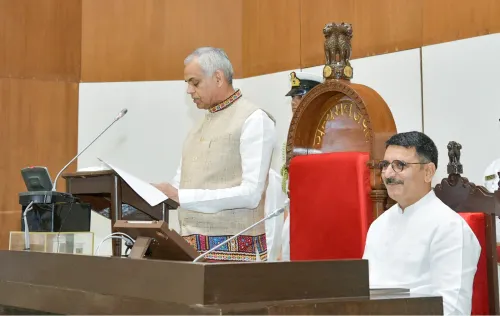
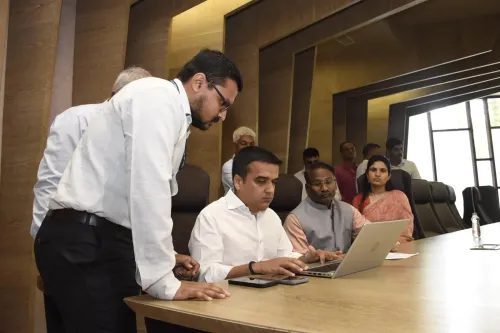
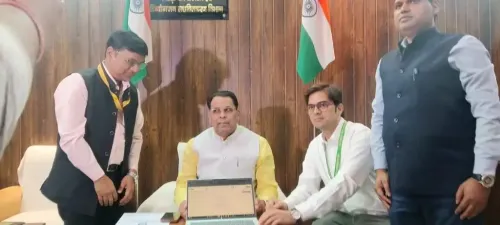
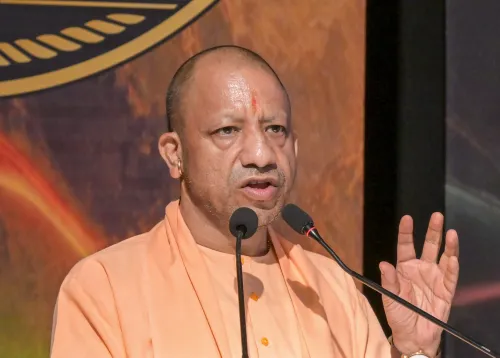
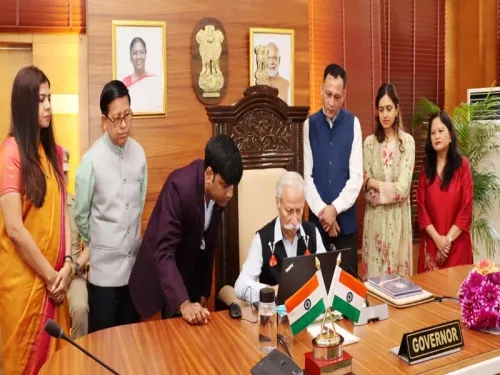
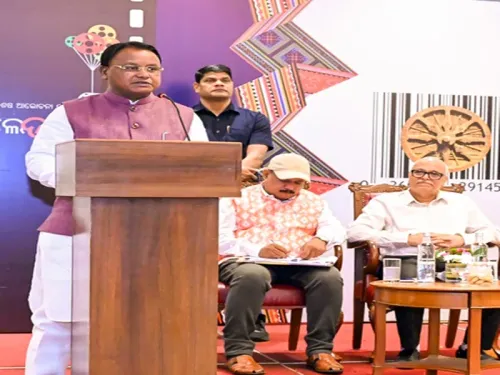
India's most populous state just moved to count itself — and Chief Minister Yogi Adityanath was at the podium to start the clock. On Monday, November 16, 2026, the Chief Minister's Office of Uttar Pradesh confirmed that CM Yogi participated in the formal launch of the swagadna evam ghar-ghar janganana (self-enumeration and door-to-door census) process, marking the state's most significant demographic data exercise in over a decade.
Why UP's self-count matters right now
Uttar Pradesh, with a population exceeding 200 million — larger than Brazil — is the single most consequential state in any national demographic exercise. India's last completed national census dates to 2011, with the subsequent round that was originally scheduled for 2021 having been postponed, leaving a yawning 15-year data gap at the heart of government planning. Every welfare scheme, every parliamentary seat delimitation, every infrastructure allocation is still being calculated on numbers that are a generation old.
That gap has real consequences. Planners in Lucknow and New Delhi alike have operated without reliable updated figures on household size, internal migration, urban growth, and demographic shifts — all of which have accelerated dramatically through the COVID years and beyond. A self-enumeration drive, where residents fill in their own household details rather than waiting passively for an enumerator's knock, is a faster, cheaper, and increasingly proven method of closing that gap at the state level.
Self-enumeration and the door-to-door double-check
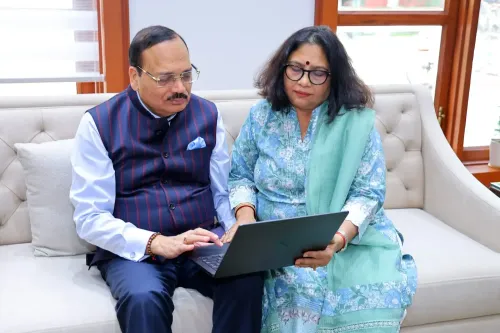
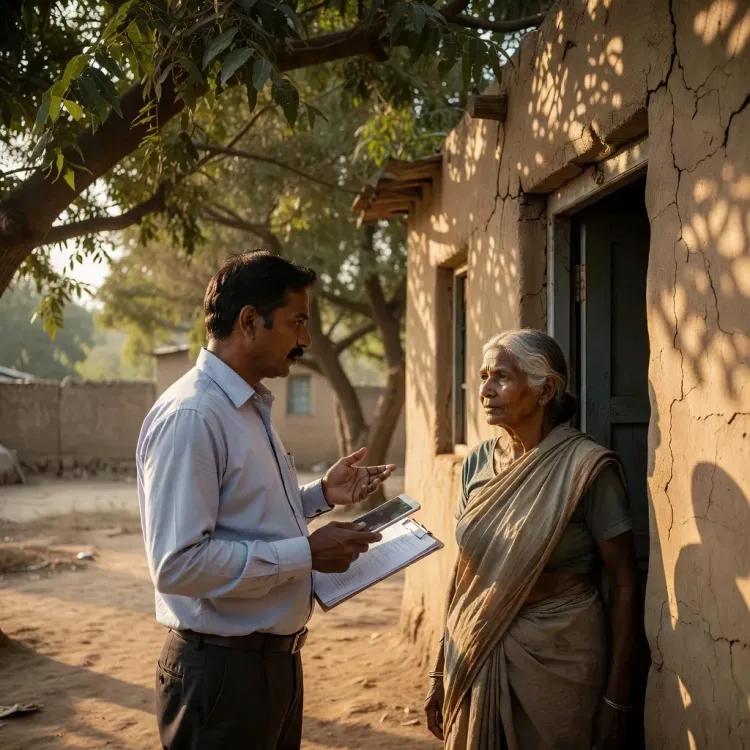
The two-track design of the UP exercise is deliberate. Swagadna (self-enumeration) allows households to submit their own data — typically through a digital portal — while the door-to-door phase sends field workers to verify, supplement, and capture those who did not self-report. Indian states have piloted versions of this hybrid model in prior exercises to improve both coverage and accuracy, particularly in dense urban slums and remote rural clusters where self-access to digital tools is uneven.
For UP's revenue and planning departments, the data collected feeds directly into allocations under housing, public distribution, and social welfare schemes — decisions that touch hundreds of millions of lives across the state's 75 districts.
Coordination with New Delhi — the bigger question
What the launch event does not yet answer is precisely how this state-level exercise syncs with the Registrar General of India, the federal authority that conducts the national census under the Census of India Act. State enumeration drives can supplement but not replace a national count — meaning the data collected now may serve as a bridge until a full national exercise is formally notified and completed. Whether UP's data feeds directly into a national framework or stands as an independent planning resource will determine its long-term policy weight.
Fifteen years without a fresh national headcount is an anomaly by any democratic standard. UP has decided not to wait any longer.
Point of View
The launch is also a governance optics move — demonstrating administrative momentum ahead of any national census announcement from New Delhi. The self-enumeration design signals an embrace of digital-first governance models, though the exercise's real policy value will hinge on how cleanly its data integrates with the eventual national count. If the UP model is adopted or endorsed by the Registrar General, it could become a template for other large states still waiting.
NationPress
16 Nov 2026
Frequently Asked Questions
What is the self-enumeration census launched in Uttar Pradesh?
It is a two-track demographic data collection drive combining resident self-reporting — where households submit their own details — with a door-to-door verification phase by field workers, launched by CM Yogi Adityanath on November 16, 2026.
Why is UP conducting its own census when India has a national census?
India's national census, originally due in 2021, has been postponed, leaving a 15-year gap since the last completed count in 2011. UP is running its own exercise to update household and demographic data for state planning and welfare scheme delivery.
When was the last national census in India?
The last completed national census in India was conducted in 2011 . The 2021 round was postponed and had not been completed as of the UP launch in November 2026.
How does self-enumeration work in a census?
In self-enumeration, households fill in their own demographic details — typically through a digital portal — rather than waiting for an enumerator to visit. A door-to-door phase then verifies the data and captures households that did not self-report.
What will UP use the census data for?
The collected data will be used by UP's revenue and planning departments to target welfare schemes, allocate resources, and plan infrastructure across the state's 75 districts.