CM Conrad Sangma welcomes 3 GHADC MDCs, retired IAS to NPP
Synopsis
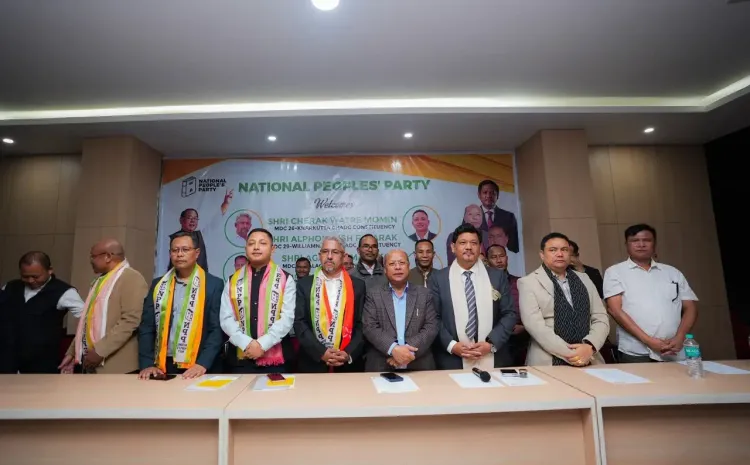
Three GHADC MDCs — Agassi R. Marak, Alphonsush R. Marak, and Cherak Watre Momin — along with retired MCS officer P D Sangma joined the NPP on November 4, 2026. CM Conrad Sangma announced the inductions, strengthening the party's base in the Garo Hills ahead of district council elections.
Key Takeaways
Three MDCs from the Garo Hills Autonomous District Council — representing Balachanda, Williamnagar, and Kharkutta constituencies — joined the NPP on November 4, 2026 .
Retired Meghalaya Civil Service officer P D Sangma also joined the party on the same day.
The NPP, founded in 2013 by the late P.A.
Sangma , has governed Meghalaya since 2018 under CM Conrad Sangma .
The GHADC operates under the Sixth Schedule of the Constitution, governing land, forests, and customary law for the Garo community.
The inductions signal a continued NPP push to consolidate district-level governance ahead of the next GHADC elections .
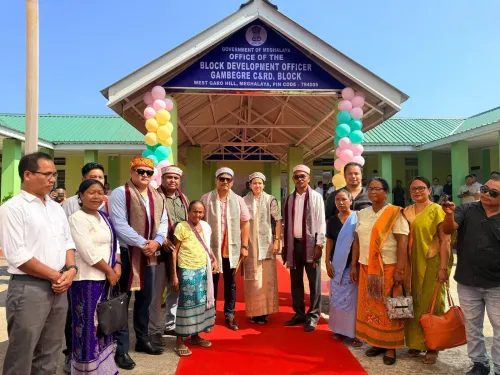
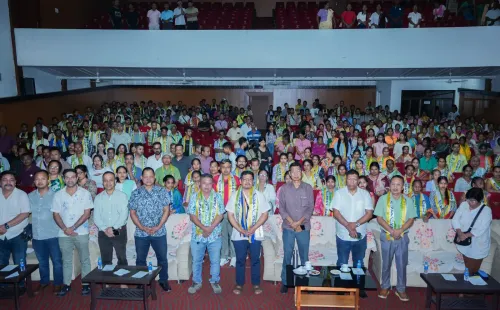
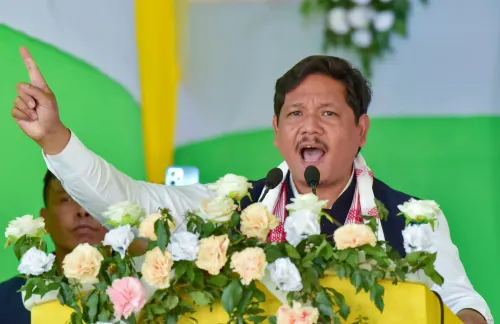
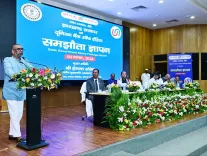
Three sitting Members of the District Council from the Garo Hills Autonomous District Council (GHADC) and a retired civil servant joined the National People's Party on Wednesday, November 4, 2026, as Meghalaya Chief Minister Conrad Sangma publicly welcomed the new entrants and framed the inductions as momentum for his party's 'people-first governance' mission.
Three GHADC constituencies shift to NPP fold
The three MDCs who joined are Agassi R. Marak of the 17-Balachanda GHADC constituency, Alphonsush R. Marak of the 29-Williamnagar GHADC constituency, and Cherak Watre Momin of the 26-Kharkutta GHADC constituency. All three represent seats within the Garo Hills, the western highland belt of Meghalaya that the NPP has long identified as an organisational priority. Also joining the party is P D Sangma, a retired officer of the Meghalaya Civil Service (MCS).
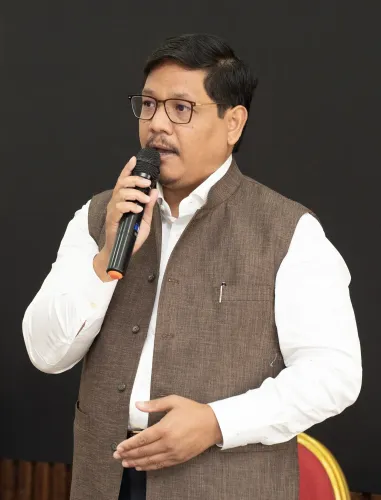
Conrad Sangma's post on X welcomed all four by name and pledged that the party would work alongside the people of their constituencies to advance 'overall prosperity for Meghalaya.' He closed with the rallying line: 'Long Live NPP!'
GHADC and the NPP's Garo Hills strategy
The Garo Hills Autonomous District Council operates under the Sixth Schedule of the Indian Constitution, which grants substantial legislative and administrative powers to tribal councils in northeast India. Control — or even influence — over the GHADC carries real policy weight: the council governs land, forests, and customary law for the Garo community. Gaining MDCs from multiple constituencies in one move is therefore more than a headcount exercise; it is a signal about which way local governance may tilt ahead of the next district council elections.
The NPP, founded in 2013 by the late P.A. Sangma — former Lok Sabha Speaker and Conrad's father — was built explicitly to channel northeast regional priorities into national politics. Since forming the Meghalaya state government in 2018, Conrad Sangma has steadily worked to consolidate the party's reach beyond the state legislature and into the tier of district governance. Wednesday's inductions continue that pattern.
What a retired MCS officer's entry signals
The simultaneous induction of P D Sangma, MCS (Retd.) adds a different texture to the announcement. Retired civil servants bring institutional memory, administrative networks, and community credibility — assets particularly valued in parties seeking to deepen their governance credentials rather than merely expand their electoral arithmetic. His entry suggests the NPP is as interested in building a bench of technocratic voices as it is in growing its council majority.
With these additions, the NPP's footprint across GHADC constituencies widens at a moment when district council elections remain on the horizon. Every constituency gained now is a base from which to mobilise ground workers and local networks when that cycle arrives.
Point of View
Two-track consolidation in the Garo Hills: electoral arithmetic in the district council and administrative credibility on the ground. For a party that already holds the state government, dominating the GHADC tier would close a meaningful gap in its governance infrastructure. Conrad Sangma is effectively using incumbency at the state level as a gravitational pull to draw local leaders before the next district council election cycle, a classic pattern of regional party-building in northeast India.
NationPress
4 Nov 2026
Frequently Asked Questions
Who are the MDCs who joined the NPP from GHADC in November 2026?
The three MDCs are Agassi R. Marak (17-Balachanda constituency), Alphonsush R. Marak (29-Williamnagar constituency), and Cherak Watre Momin (26-Kharkutta constituency), all from the Garo Hills Autonomous District Council.
What is the Garo Hills Autonomous District Council?
The Garo Hills Autonomous District Council (GHADC) is a Sixth Schedule body in Meghalaya that holds legislative and administrative powers over land, forests, and customary law for the Garo community in western Meghalaya.
Who founded the National People's Party?
The National People's Party was founded in 2013 by the late P.A. Sangma, former Speaker of the Lok Sabha and father of current Meghalaya Chief Minister Conrad Sangma.
Why is Conrad Sangma expanding the NPP in the Garo Hills?
The NPP, which has governed Meghalaya since 2018, is working to strengthen its base at the district council level. Gaining MDCs ahead of GHADC elections would extend the party's governance reach beyond the state legislature.
What is the significance of a retired MCS officer joining the NPP?
The entry of P D Sangma, a retired Meghalaya Civil Service officer, signals the NPP's interest in building technocratic credibility alongside its electoral expansion in the region.