Will 30 Lakh Names Be Removed from Bengal's Electoral Rolls?
Synopsis
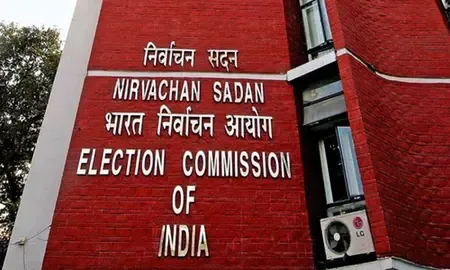
The Election Commission of India plans to remove around 30 lakh names from Bengal's electoral rolls, primarily due to deceased and duplicate voters. This significant move follows ongoing digitisation efforts, with transparency expected after the draft list is published on December 9.
Key Takeaways
30 lakh names to be deleted from electoral rolls.
Majority are deceased voters.
Digitisation process is ongoing.
Transparency expected after December 9.
Political pressure on BLOs is a concern.
Kolkata, Nov 29 (NationPress) Approximately 30 lakh names of deceased, untraceable, and duplicate voters will be eliminated from the electoral rolls by the Election Commission of India (ECI), as indicated by the ongoing trend in the digitisation of enumeration forms during the SIR in West Bengal.
According to the commission's findings, of the 30 lakh names slated for deletion, about 16 lakh are deceased voters. The remainder consists of untraceable voters, duplicate entries, or those who have permanently relocated to other states.
Sources from the Chief Electoral Officer's office in West Bengal clarified that this estimate is grounded solely on the current percentage of digitised enumeration forms, suggesting that the final number may rise once the digitisation process is fully realised.
As of Friday evening, digitisation has been finalised for the enumeration forms of 6.73 crore voters, which represents roughly 88 percent of the total 7,66,37,529 voters listed in the electoral roll as of October 27.
An insider from the CEO's office remarked, "The extent of the voter deletions will become more apparent on December 9, when the draft voters' list is released."
Meanwhile, amid numerous allegations of BLOs yielding to "political pressure" from the Trinamool Congress and "administrative pressure" from the state government, the ECI has stepped in to support them.
A retired IAS officer, Subrata Gupta, has been appointed as a special observer to assess the ongoing SIR initiative in West Bengal, accompanied by eleven other IAS officers.
This team of central observers will review the SIR efforts and provide a comprehensive report to the Union Government.
The ECI has also issued directives to both the West Bengal Director General of Police, Rajeev Kumar, and Kolkata Police Commissioner, Manoj Verma, instructing them to ensure that BLOs are not subjected to pressure or intimidation from political party members.
Furthermore, the ECI has mandated the CEO of West Bengal, Manoj Kumar Agarwal, to follow the commission's guidelines for establishing polling booths in slums, high-rise buildings, and gated communities across the state.
Point of View
The ongoing digitisation of electoral rolls in West Bengal demonstrates the government's commitment to ensuring electoral integrity. However, the challenges faced by BLOs under political pressure underscore the need for a free and fair electoral process.
NationPress
27 Oct 2026
Frequently Asked Questions
Why are names being deleted from the electoral rolls?
Names are being deleted to eliminate entries of deceased, untraceable, and duplicate voters to ensure the accuracy of the electoral rolls.
How many names are estimated to be removed?
Approximately 30 lakh names are expected to be removed from the electoral rolls.
When will the draft voters' list be published?
The draft voters' list is scheduled to be published on December 9.
What is the role of the Election Commission of India in this process?
The Election Commission of India oversees the digitisation of electoral rolls and ensures that the process is free from political pressure.
Who is monitoring the SIR exercise in West Bengal?
A special observer, Subrata Gupta, along with eleven IAS officers, has been appointed to monitor the SIR exercise.