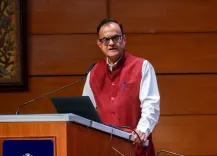
430 students join plantation drive at Asola Bhatti on Conservation Day

Synopsis
More than 430 school students and teachers turned Asola Bhatti Wildlife Sanctuary into a classroom on World Nature Conservation Day — planting geo-tagged saplings as part of Delhi's ambitious 70-lakh-tree campaign, backed by a 10-year native-species strategy and participation from diplomats across 70 countries.
Key Takeaways
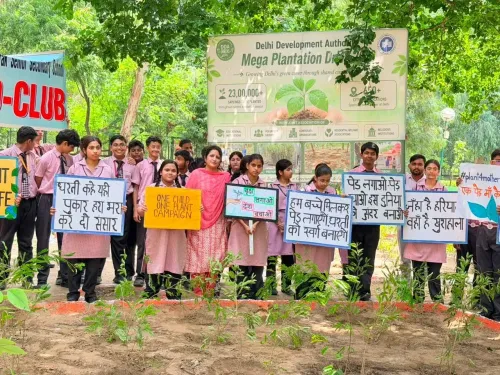
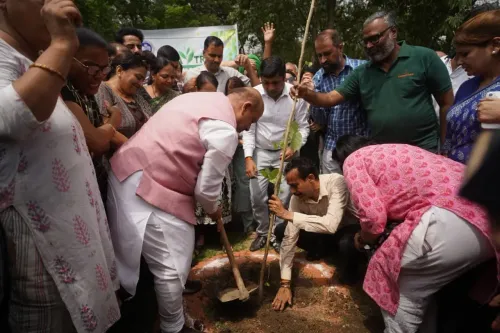
Over 430 students and teachers from five schools participated in the plantation drive at Asola Bhatti Wildlife Sanctuary on 29 July 2025 .
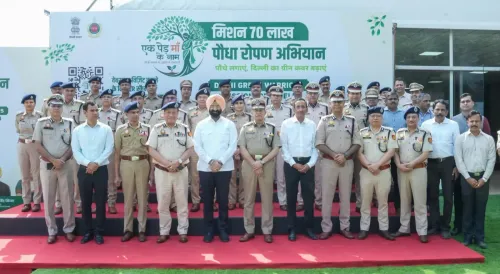
The event marked World Nature Conservation Day and is part of Delhi's year-long target to plant 70 lakh trees and saplings .
Each sapling is geo-tagged and monitored under a 10-year plantation strategy focused on native species.
The campaign has drawn participation from diplomats of over 70 countries , judiciary members, religious organisations, and citizens.
The drive is aligned with PM Narendra Modi 's 'Ek Ped Maa Ke Naam' national campaign.
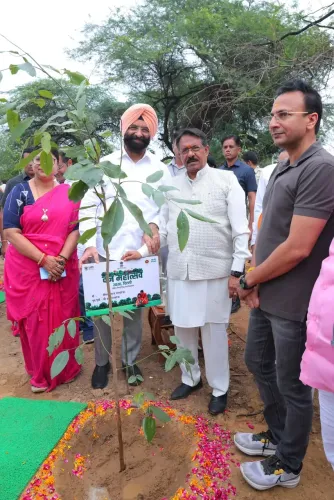
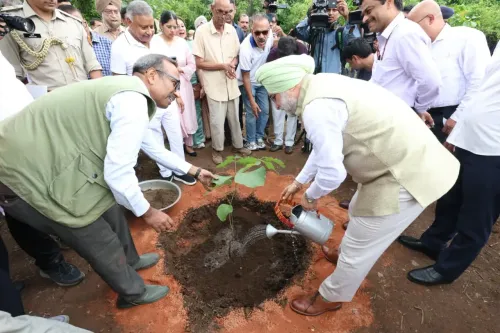
Over 430 students and teachers from five Delhi schools participated in a plantation drive at Asola Bhatti Wildlife Sanctuary on 29 July 2025, marking World Nature Conservation Day. The event, backed by the Delhi Government, forms part of a year-long campaign to plant 70 lakh trees and saplings across the Capital.
What the Drive Involved
Participants planted saplings across the sanctuary grounds, with each sapling geo-tagged for scientific monitoring and long-term survival tracking. Environment, Forest and Wildlife Minister Manjinder Singh Sirsa said the initiative combines ecological goals with youth-led environmental awareness.
'They are ambassadors of environmental conservation and inspire their families and communities to actively contribute towards making Delhi a clean, green and world-class metropolis,' Sirsa said.
Scale and Strategy
The 70 lakh tree target is underpinned by a 10-year plantation strategy that prioritises native species — chosen for their greater shade, higher oxygen output, lower water requirements, and pollution-reduction capacity. A geo-tagging system ensures accountability at the sapling level, tracking survival rates across the campaign's duration.
Sirsa noted that the campaign has evolved into a broad-based public movement, drawing participation from members of the judiciary, government officials, diplomats from over 70 countries, religious organisations, and citizens across social strata.
National Inspiration
The Delhi initiative is aligned with Prime Minister Narendra Modi's nationwide campaign 'Ek Ped Maa Ke Naam', which frames tree planting as both an environmental responsibility and a tribute to mothers. The Delhi drive mirrors that framing by positioning young students as catalysts for community-level conservation action.
What Comes Next
With the plantation season ongoing, the Delhi Government is expected to scale participation further across educational institutions and resident welfare associations. The geo-tagging data will feed into the 10-year strategy's monitoring framework, with survival rates to be assessed at periodic intervals.
Point of View
Rather than a well-photographed annual event.
NationPress
27 Oct 2026
Frequently Asked Questions
What happened at Asola Bhatti Wildlife Sanctuary on World Nature Conservation Day?
Over 430 students and teachers from five Delhi schools participated in a plantation drive at Asola Bhatti Wildlife Sanctuary on 29 July 2025 to mark World Nature Conservation Day. The event was part of the Delhi Government's year-long campaign to plant 70 lakh trees across the Capital.
What is Delhi's 70 lakh tree plantation campaign?
It is a year-long Delhi Government initiative to plant 70 lakh trees and saplings across the Capital, underpinned by a 10-year strategy that focuses on native species for shade, oxygen generation, and pollution reduction. Every sapling is geo-tagged and monitored for survival.
What is the 'Ek Ped Maa Ke Naam' campaign?
'Ek Ped Maa Ke Naam' is a nationwide tree-planting campaign launched by Prime Minister Narendra Modi that combines environmental responsibility with a tribute to mothers. Delhi's plantation drive is aligned with this national initiative.
Who participated in the Asola Bhatti plantation drive?
The drive saw participation from over 430 students and teachers across five schools. More broadly, Delhi's campaign has involved judiciary members, government officials, diplomats from over 70 countries, religious organisations, and citizens from all walks of life.
How does the Delhi Government ensure planted saplings survive?
Each sapling planted under the campaign is geo-tagged and regularly monitored through a scientific tracking system. The 10-year plantation strategy also prioritises native species that require less water and are better suited to Delhi's ecological conditions.