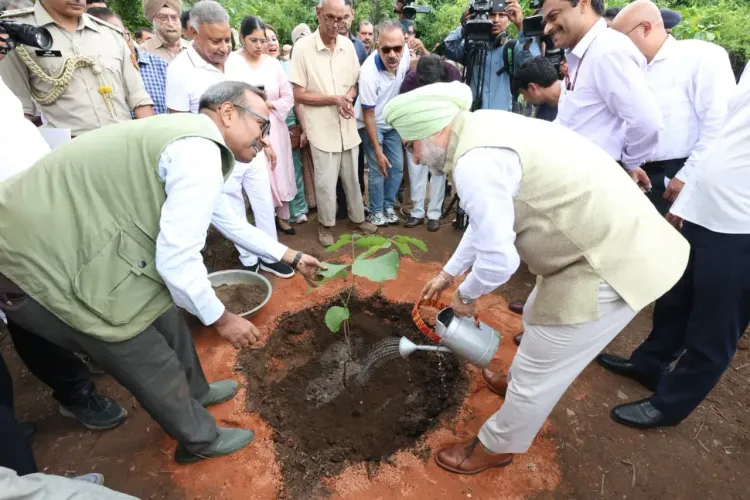
Delhi L-G Sandhu plants saplings at Kamla Nehru Ridge in DDA's 1-lakh-tree drive
Synopsis
Delhi's DDA planted one lakh trees across 77 locations in a single day — but what sets this drive apart is L-G Sandhu's directive to appoint Nodal Officers personally accountable for sapling survival. It's a rare attempt to close the gap between high-profile plantation events and actual ecological outcomes on Delhi's beleaguered Ridges.
Key Takeaways
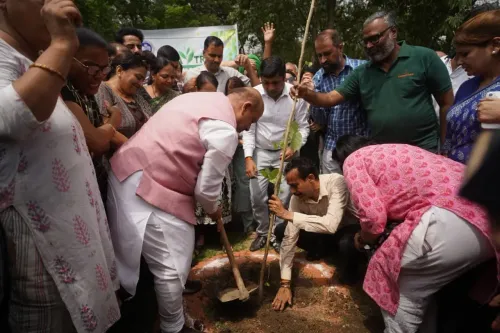
Delhi L-G Taranjit Singh Sandhu led a plantation drive at Kamla Nehru Ridge , North Delhi, on 31 July .
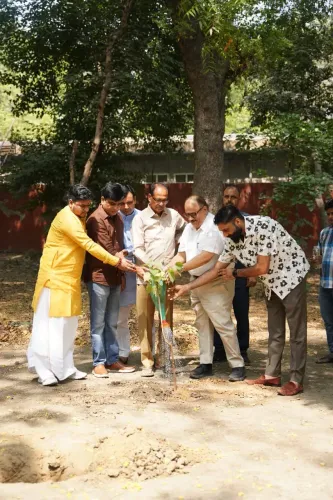
The DDA planted one lakh trees and shrubs across 77 locations in a single day.
Over 200 participants joined, including students from 4 colleges and 2 schools , RWA members, and morning walkers.
Native species planted include Dhok , Amaltas , Dhak , and Gamhar — all adapted to Delhi's ecology.
L-G directed DDA to appoint Nodal Officers at each site, accountable for sapling survival and growth.
The model is to be replicated across other Ridges in Delhi as a sustained, youth-led movement.
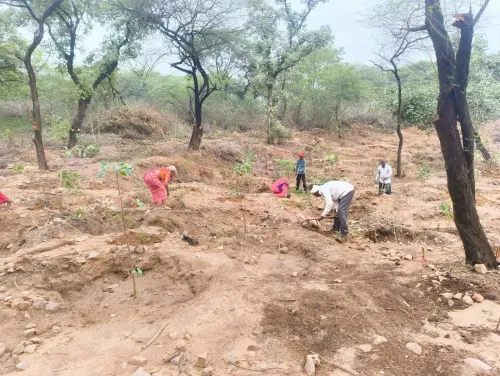
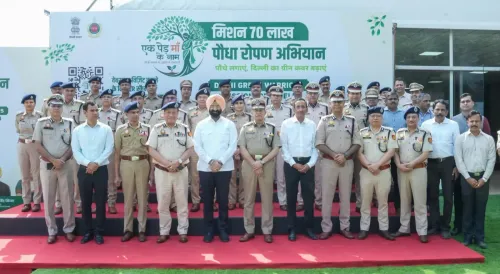
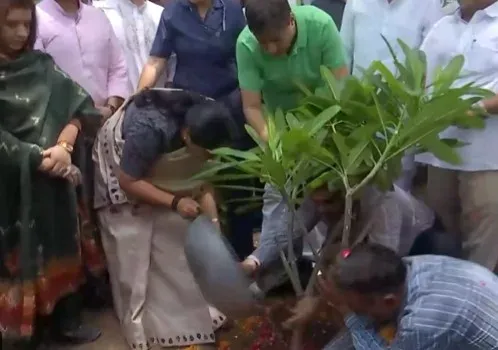
Delhi Lieutenant Governor Taranjit Singh Sandhu on Friday, 31 July joined over 200 participants — including students, morning walkers, and residents — in planting native saplings at Kamla Nehru Ridge in North Delhi. The event formed part of the Delhi Development Authority (DDA)'s single-day plantation drive that saw one lakh trees and shrubs planted across 77 locations across the Capital.
Key Developments
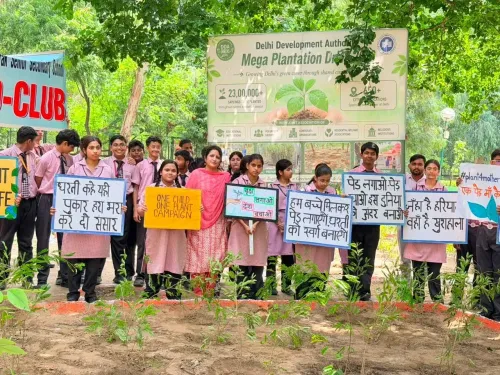
The drive brought together students from four colleges — St. Stephen's, Hindu, Hans Raj, and Maharishi Valmiki — alongside pupils from Mamta Public School (Vikas Puri) and Government Girls Senior Secondary School (Shakti Nagar). Approximately 20 Resident Welfare Association (RWA) members and morning walkers also participated. The Vice Chairman of DDA and senior Authority officers were present, signalling institutional commitment to community-led conservation.
What the L-G Directed
Lieutenant Governor Sandhu directed the DDA to move beyond one-off events and institutionalise such drives as a regular practice, replicating the model across other Ridges in Delhi. He called for the appointment of Nodal Officers at each plantation site, who would be personally accountable for ensuring that saplings survive and mature into trees. Sandhu emphasised that the initiative must be youth-led, arguing that engaging younger generations would make them long-term stakeholders in Delhi's ecological restoration.
Species Planted and Ecological Significance
The plantation at Kamla Nehru Ridge featured indigenous species suited to Delhi's semi-arid environment: Anogeissus pendula (Dhok), Cassia fistula (Amaltas), Butea monosperma (Dhak), and Gmelina arborea (Gamhar). According to officials, these species strengthen biodiversity, improve wildlife habitats, and enhance the long-term ecological resilience of the Ridge. The choice of native flora — rather than ornamental or fast-growing exotic species — reflects a deliberate conservation philosophy aimed at restoring the Ridge's original character.
Broader Context
Delhi's Ridges — a chain of ancient Aravalli outcrops running through the city — have faced sustained pressure from encroachment and urban sprawl over decades. This drive comes amid growing concern over the Capital's declining green cover and worsening air quality. Notably, this is one of the largest single-day plantation exercises undertaken by the DDA in recent years, with 77 sites activated simultaneously. The L-G's push for sustained, accountable follow-through — via Nodal Officers — addresses a persistent criticism of past urban greening drives: that saplings planted in high-profile events are rarely monitored for survival.
What Comes Next
The DDA is expected to extend the plantation model to Delhi's other Ridge zones following the L-G's directive. With Nodal Officers to be assigned at each site, the Authority will be under formal accountability to report on sapling survival rates. The initiative could set a template for institutionalised, youth-driven urban greening in other Indian metros grappling with similar ecological pressures.
Point of View
Photographs are taken, and survival rates go unmeasured. The L-G's directive to appoint accountable Nodal Officers at each of the 77 sites is a structural intervention that, if enforced, could change that calculus for Delhi. The choice of native species over ornamentals also signals ecological seriousness rather than optics. The harder test will come in the months that follow — whether the DDA's accountability framework holds, or whether this, too, becomes a number that sounds large and fades quietly.
NationPress
15 Sept 2026
Frequently Asked Questions
What was the DDA plantation drive on 31 July about?
The Delhi Development Authority conducted a single-day plantation drive on 31 July in which one lakh trees and shrubs were planted across 77 locations in Delhi. Delhi L-G Taranjit Singh Sandhu led the initiative at Kamla Nehru Ridge in North Delhi, joined by over 200 students, residents, and RWA members.
Which species were planted at Kamla Nehru Ridge?
Four indigenous species were planted: Anogeissus pendula (Dhok), Cassia fistula (Amaltas), Butea monosperma (Dhak), and Gmelina arborea (Gamhar). All are native to Delhi's ecology and are intended to strengthen biodiversity and improve wildlife habitats on the Ridge.
What did L-G Sandhu direct the DDA to do?
L-G Sandhu directed the DDA to make plantation drives a regular practice, replicate the model across Delhi's other Ridges, and appoint Nodal Officers at each plantation site who will be held personally accountable for sapling survival and growth.
Why are Nodal Officers significant for this drive?
Appointing Nodal Officers addresses a longstanding criticism of urban greening events — that saplings planted in high-profile drives are rarely monitored. By assigning named officials with accountability for each site, the DDA is attempting to ensure long-term ecological outcomes rather than one-time optics.
Which schools and colleges participated in the drive?
Students from four colleges — St. Stephen's, Hindu, Hans Raj, and Maharishi Valmiki — and two schools — Mamta Public School (Vikas Puri) and Government Girls Senior Secondary School (Shakti Nagar) — participated alongside morning walkers and approximately 20 RWA members.