DDA plants 8.29 lakh saplings in Delhi, targets 23 lakh by mid-September 2026
Synopsis
Delhi's DDA has crossed 8.29 lakh saplings planted this season — but that is just 36% of its 23-lakh target. The real story is the Ridge: a 120-hectare ecological overhaul replacing invasive species with native ones, marking a shift from symbolic tree-planting to measurable forest restoration.
Key Takeaways
DDA has planted 8.29 lakh saplings (35,570 trees + 7.93 lakh shrubs) as of 27 July 2026 , against a season target of 23 lakh .
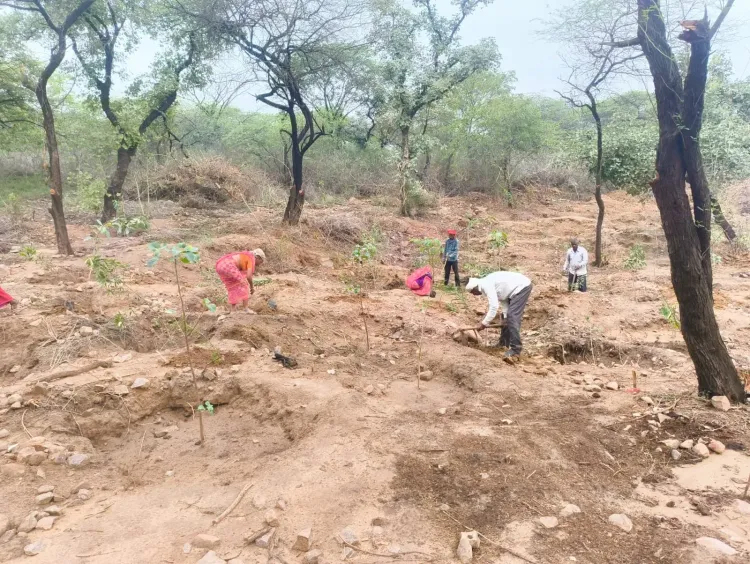
In Ridge areas , 27,062 saplings have been planted across 120 hectares spanning four Ridge zones.
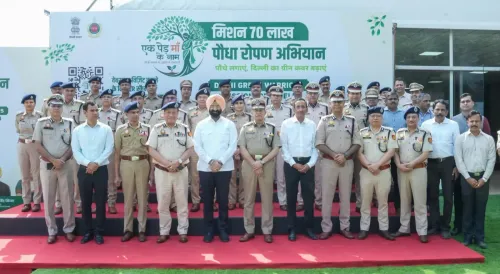
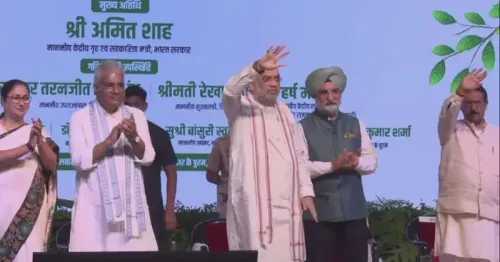
The drive is part of Union Home Minister Amit Shah's 70 Lakh Plantation Mission under the 'Ek Ped Maa Ke Naam' campaign, launched on 7 July .
Approximately 16,240 invasive trees and shrubs are slated for removal; nearly 1 lakh indigenous trees and 81,700 native shrubs will replace them.
The plantation season runs through mid-September 2026 ; species include Bargad, Peepal, Neem, Jamun, and Sheesham.
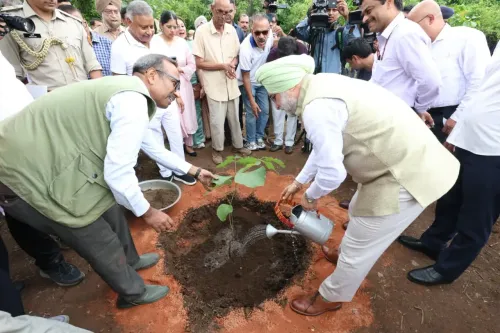
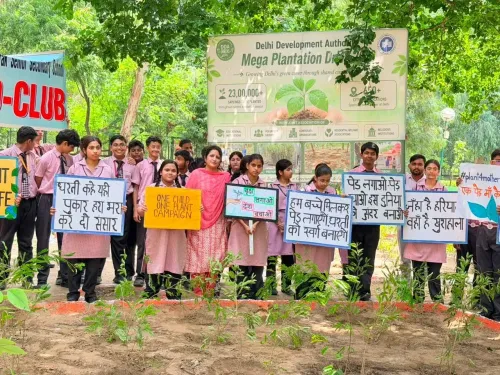
The Delhi Development Authority (DDA) has planted 8.29 lakh saplings across the national capital as part of the ongoing 2026 plantation season, which began in the first week of July and is scheduled to run through mid-September 2026, an official confirmed on Monday, 27 July 2026. The DDA has been assigned a total target of 23 lakh indigenous saplings under a city-wide greening mission.
Breakdown of Plantations So Far
Of the 8.29 lakh saplings planted to date, 35,570 are trees and 7.93 lakh are shrubs. In Delhi's ecologically sensitive Ridge areas specifically, the DDA has planted 27,062 saplings — comprising 12,506 trees and 14,556 shrubs. The Ridge plantation is being carried out using a scientifically designed grid-based, multi-tier model that exclusively uses indigenous species.
The Ecological Restoration Mandate
The drive forms part of the 70 Lakh Plantation Mission launched by Union Home Minister Amit Shah under the 'Ek Ped Maa Ke Naam' campaign on 7 July. The Ridge restoration work has been undertaken on the directions of Lieutenant Governor Taranjit Singh Sandhu, who reviewed the ecological condition of the Ridge during a visit in May 2026 and directed DDA to replace invasive vegetation with native species while ensuring sustained post-plantation maintenance.
Restoration is currently underway across approximately 120 hectares spanning the South Central Ridge, Central Ridge, Kamla Nehru Ridge, and Nanakpura Ridge. The programme envisages the removal of approximately 16,240 invasive trees and shrubs and the planting of nearly 1 lakh indigenous trees and 81,700 native shrubs.
Species Being Planted
The indigenous tree species include Bargad, Peepal, Neem, Sheesham, Arjun, Jamun, Dhak (Palash), Dhau, and Khejri. Native shrubs being introduced include Harshringar, Karonda, Phalsa, Nirgundi, and Curry Leaf. Naturally occurring native vegetation has been carefully retained and protected throughout the process.
Larger Goal: Rebuilding Native Forest Ecosystems
The DDA has framed the initiative as a structural departure from conventional plantation drives, describing it as a landscape-scale ecological restoration effort aimed at rebuilding self-sustaining native forest ecosystems. The stated objective is not merely to expand green cover, but to restore the original structure, composition, and ecological functions of Delhi's Ridge forests — a goal that, if achieved, would mark a significant shift in how urban greening is approached in the capital. The programme is being implemented in line with the approved Working Plan for the Delhi Ridge.
Point of View
Invasive-removal model is a meaningful course correction, at least on paper. The harder question is post-plantation survival: India's urban tree-planting drives have historically struggled with mortality rates that quietly erase headline numbers. With only 36% of the 23-lakh target met at roughly the season's midpoint, execution pressure will intensify. Independent monitoring of survival rates — not just planting counts — will determine whether this is restoration or repetition.
NationPress
26 Oct 2026
Frequently Asked Questions
How many saplings has DDA planted in Delhi in 2026?
As of 27 July 2026, the DDA has planted 8.29 lakh saplings across Delhi, comprising 35,570 trees and 7.93 lakh shrubs. The total seasonal target is 23 lakh indigenous saplings, with planting continuing through mid-September 2026.
What is the 'Ek Ped Maa Ke Naam' campaign?
'Ek Ped Maa Ke Naam' is a nationwide plantation campaign under which Union Home Minister Amit Shah launched the 70 Lakh Plantation Mission on 7 July. The DDA has been assigned the target of planting 23 lakh indigenous saplings across the national capital as its contribution.
What is the Delhi Ridge ecological restoration programme?
It is a scientifically designed effort to restore approximately 120 hectares of Delhi's Ridge forests by removing around 16,240 invasive trees and shrubs and replacing them with nearly 1 lakh indigenous trees and 81,700 native shrubs. The programme spans the South Central Ridge, Central Ridge, Kamla Nehru Ridge, and Nanakpura Ridge.
Which indigenous species are being planted in the Delhi Ridge?
Indigenous trees being planted include Bargad, Peepal, Neem, Sheesham, Arjun, Jamun, Dhak (Palash), Dhau, and Khejri. Native shrubs include Harshringar, Karonda, Phalsa, Nirgundi, and Curry Leaf.
Who directed the DDA's Ridge restoration work?
Lieutenant Governor Taranjit Singh Sandhu directed the DDA to undertake scientific restoration of the Ridge following his inspection visit in May 2026. He specifically called for replacing invasive vegetation with native species and ensuring sustained post-plantation maintenance.