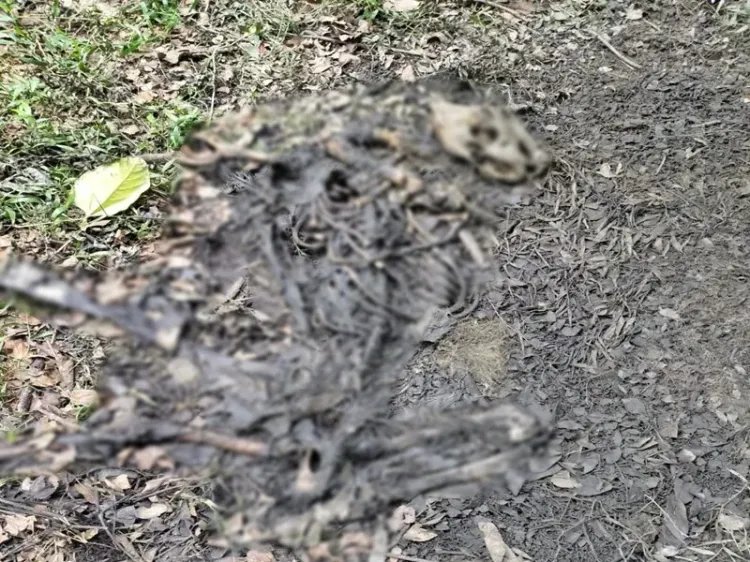
Kaziranga tiger carcass found in Mihimukh; 4th death in 2025
Synopsis
A fourth tiger has died at Kaziranga National Park in 2025 — this time a sub-adult whose carcass was found in an advanced state of decomposition, making the cause of death undetectable. With three earlier deaths linked to infighting and a tiger census count of just 104, each loss carries outsized conservation weight for India's most iconic wildlife reserve.
Key Takeaways
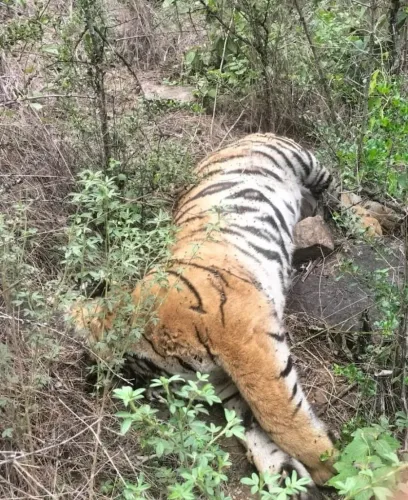
A sub-adult tiger carcass was recovered from the Mihimukh area of Kaziranga National Park , Assam, on Saturday evening, 31 May 2025 .
The post-mortem, conducted on Sunday under a committee formed by KNPTR Director Sonali Ghosh , could not determine the cause of death due to advanced decomposition .
This is the fourth tiger death at KNPTR in 2025; three earlier deaths in January and February were preliminarily linked to infighting .
Kaziranga's latest tiger census (2022) recorded 104 Bengal tigers in the reserve.
The park is India's seventh UNESCO World Heritage Site and generated ₹10.90 crore in revenue in 2024-25.
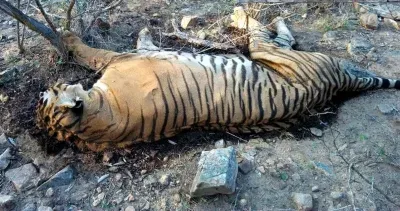
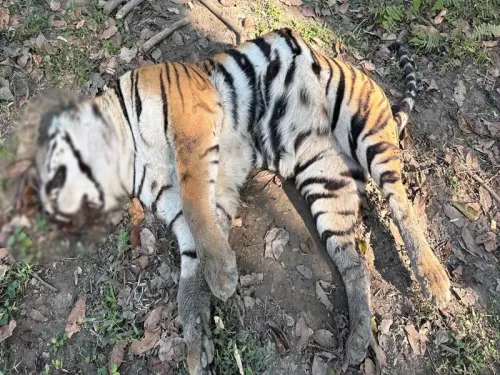
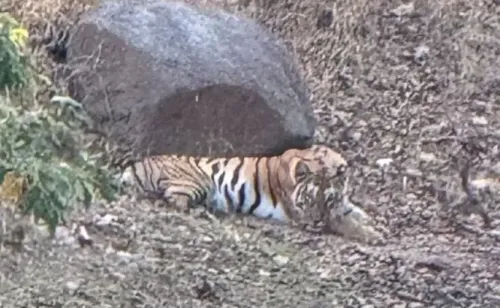
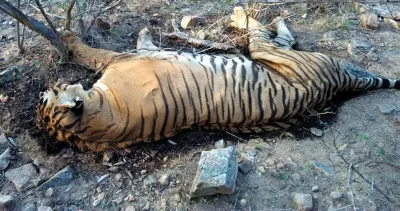
A sub-adult tiger carcass was recovered from the Mihimukh area of Kaziranga National Park and Tiger Reserve (KNPTR) in Assam, park officials confirmed on Sunday, 1 June 2025. The discovery, made during routine surveillance on Saturday evening, marks the fourth tiger death recorded at the reserve in 2025.
How the Carcass Was Found
Forest personnel conducting routine surveillance and monitoring in the Mihimukh area under the Kaziranga Range at Kohora spotted the carcass on Saturday evening. Officials estimate the tiger had been dead for approximately four days before discovery. Standard wildlife protection protocols were initiated immediately upon recovery.
Post-Mortem Findings
A committee constituted by KNPTR Director Sonali Ghosh conducted the post-mortem examination on Sunday, following the National Tiger Conservation Authority (NTCA) Standard Operating Procedure. However, the cause of death could not be established. According to officials, 'the cause of death could not be ascertained during the post-mortem examination due to the advanced stage of decomposition.' Further investigations remain underway.
Three Earlier Deaths in January and February
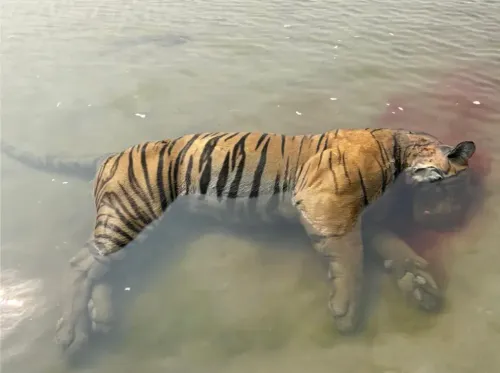
This latest recovery follows three tiger deaths at KNPTR between January and February 2025. On 14 January, the carcass of a young male Royal Bengal tiger aged around two to three years was found at Thute Chapori in the Eastern Range at Gamiri under the Biswanath Wildlife Division; preliminary examination indicated death from natural causes or infighting. On 18 January, a tigress aged around three to four years was recovered from the Kathpora area of the Bagori Western Range, with post-mortem findings pointing to infighting. On 7 February, a male tiger aged approximately 12 to 13 years was found near the Mandir Baneshwar Anti-Poaching Camp in the Burapahar Range at Ghorakati; preliminary findings again suggested infighting as the cause.
Kaziranga's Wildlife and Conservation Status
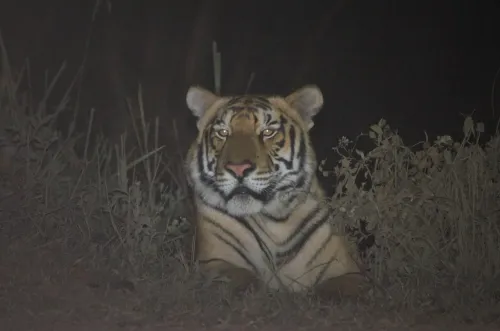
Kaziranga is India's seventh UNESCO World Heritage Site and home to the celebrated 'Big Five'. According to the latest available census data, the park shelters 2,613 greater one-horned rhinoceroses (2022), 104 Bengal tigers (2022), 1,228 Asian elephants (2024), 2,565 wild water buffaloes (2022), and 1,129 eastern swamp deer (2022). Spread across the districts of Golaghat, Nagaon, Sonitpur, and Biswanath, the reserve generated revenue of more than ₹10.90 crore in 2024-25, up from ₹8.81 crore in 2023-24.
What Happens Next
Authorities are continuing investigations to determine the cause of the sub-adult tiger's death. With four tiger deaths in roughly five months, conservationists are likely to scrutinise whether territorial pressure from a growing tiger population — or other environmental stressors — is contributing to increased intra-species conflict within the reserve.
Point of View
The conservation community is left with incomplete data at a critical moment. Transparency on population dynamics, not just incident-by-incident reporting, is what Kaziranga's tiger conservation record now requires.
NationPress
20 Sept 2026
Frequently Asked Questions
Where was the tiger carcass found in Kaziranga?
The sub-adult tiger carcass was found in the Mihimukh area under the Kaziranga Range at Kohora, inside Kaziranga National Park and Tiger Reserve in Assam. Forest personnel discovered it during routine surveillance on Saturday evening, 31 May 2025.
What did the post-mortem examination reveal?
The post-mortem conducted on Sunday was inconclusive — authorities said the cause of death could not be ascertained due to the advanced stage of decomposition. The carcass was estimated to be approximately four days old at the time of discovery.
How many tigers have died at Kaziranga in 2025?
This is the fourth tiger death recorded at Kaziranga National Park and Tiger Reserve in 2025. Three previous deaths occurred in January and February, with preliminary findings in two cases pointing to infighting and one to possible natural causes or infighting.
How many tigers does Kaziranga have?
According to the 2022 census, Kaziranga National Park and Tiger Reserve is home to 104 Bengal tigers. The reserve is India's seventh UNESCO World Heritage Site and one of the country's most significant big-cat habitats.
What is the NTCA and what role does it play in such cases?
The National Tiger Conservation Authority (NTCA) is the apex body overseeing tiger conservation in India. When a tiger dies in a reserve, park authorities are required to follow NTCA's Standard Operating Procedure for post-mortem examination and carcass disposal, as was done in this case.