669 MT onions sold at ₹35/kg; ₹210 crore paid to 3,400 farmers
Synopsis
The government's twin-track onion intervention — capping retail prices at ₹35 per kg while paying ₹210 crore directly to 3,400 farmers — is the most visible use of buffer-stock policy as both a consumer shield and a farmer-liquidity tool this season. With 840 MT reaching Chennai via the Kanda Express and 19 cities now covered, the scale of the rollout signals that seasonal price pressure is sharper than official statements let on.
Key Takeaways
669 MT of onions sold to date — 223 MT via bulk/e-NAM channels and 446 MT through retail outlets — at ₹35 per kg . ₹210 crore disbursed directly to approximately 3,400 farmers , ensuring timely payments.
Two Kanda Express rakes dispatched from Nashik : 450 MT reached Delhi on 27 August ; 840 MT reached Chennai on 31 August .
Tamil Nadu to distribute Chennai consignment through the PDS at 1 kg per card .
Retail intervention now active across 19 cities , backed by over 30 trucks ; around 1,000 MT additionally in road transit.
Prices have declined in Varanasi , Amritsar , Delhi , and nearby markets following buffer-stock releases.
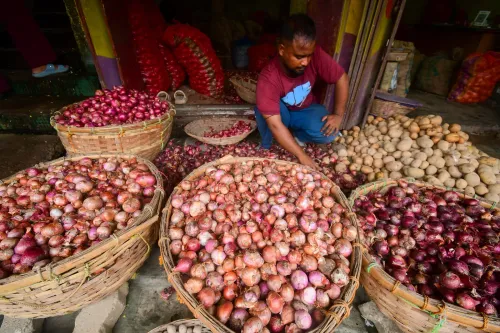
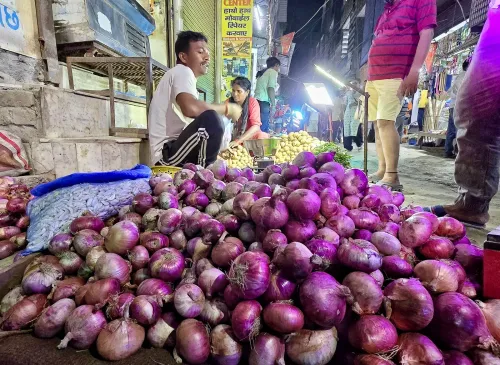
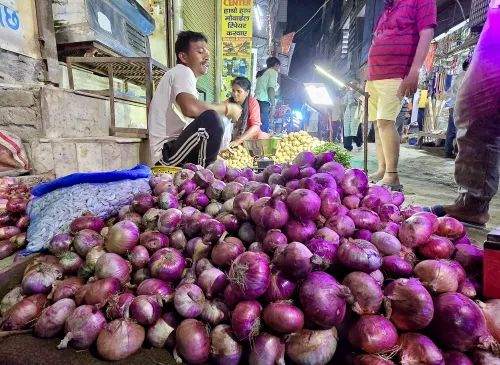
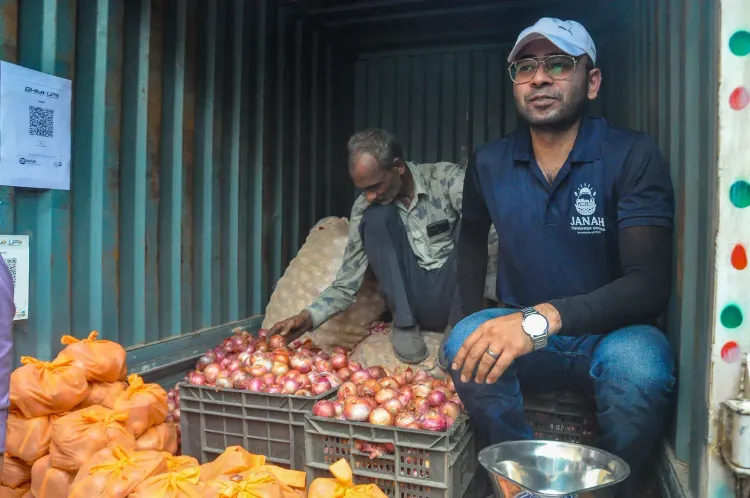
The government on Tuesday, 1 September confirmed that retail sales of onions are continuing at ₹35 per kg, with a cumulative 669 metric tonnes (MT) of the staple vegetable sold to date across the country. Of this, 223 MT has moved through bulk channels via the e-NAM portal and allied online platforms at prevailing mandi prices, while 446 MT has been distributed through retail outlets. Separately, ₹210 crore has been disbursed directly to approximately 3,400 farmers, ensuring timely payments.
Key Developments
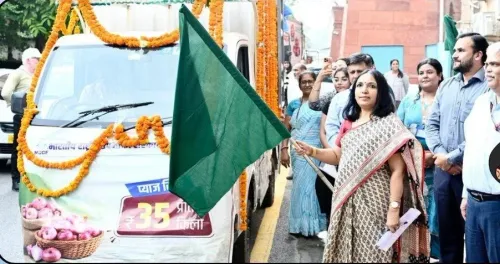
The affordable onion sale is being carried out through the National Cooperative Exports Limited (NCCF), the National Agricultural Cooperative Marketing Federation of India (NAFED), Kendriya Bhandar outlets, and mobile vans spread across the country. The Ministry of Consumer Affairs, Food, and Public Distribution stated that around 1,000 MT of onions are simultaneously being transported by road to major consumption centres, based on prevailing market conditions and price trends, with the aim of improving availability and moderating seasonal price pressures.
Kanda Express Consignments
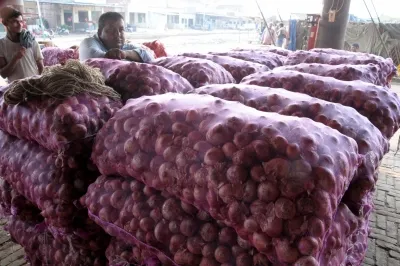
As part of a hybrid transportation model, the government has dispatched two consignments via the dedicated Kanda Express railway rake from Nashik. The first rake, carrying 450 MT of onions, reached Delhi in the late hours of 27 August. Of this, 140 MT was subsequently redistributed across Varanasi, Lucknow, Chandigarh, and Amritsar, with the remaining quantity distributed across the Delhi-NCR region.
The second rake, carrying 840 MT of onions, reached Chennai on 31 August. The Tamil Nadu government plans to distribute these onions through the Public Distribution System (PDS) at the rate of 1 kg per card, with supplies to be spread across various districts through a proposed district-wise clustering arrangement.
Retail Expansion and Price Impact
Retail intervention efforts have expanded significantly across 19 cities, supported by the dispatch of over 30 trucks to ensure widespread availability. According to the official statement, the release of onions from buffer stocks has already improved market availability and eased prices — particularly in centres such as Varanasi, Amritsar, Delhi, and nearby markets. Prices have shown a decline from the day following the commencement of disposal, with increased supplies expected to further support price stability.
What This Means for Consumers and Farmers
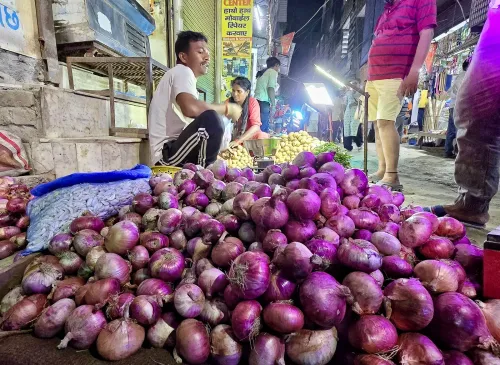
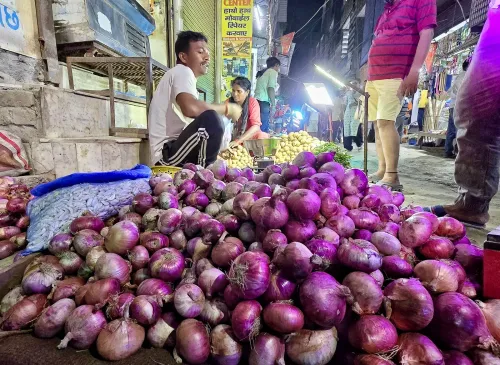
The intervention is notable on two fronts. For consumers, it caps retail prices at ₹35 per kg at a time when seasonal supply pressures have pushed onion prices higher in several urban markets. For farmers, the direct payment of ₹210 crore to 3,400 growers — bypassing intermediaries — signals the government's intent to use buffer-stock operations as a dual-purpose tool: stabilising retail prices while ensuring producer-end liquidity. This is the latest in a series of government buffer-stock releases that have been deployed in recent years whenever onion prices spike ahead of the lean season.
Point of View
The ₹210 crore direct farmer payment sidesteps the long-standing criticism that buffer-stock operations benefit traders more than growers. Whether that model scales — and whether prices hold once the buffer runs thin — will be the real test of this intervention.
NationPress
1 Sept 2026
Frequently Asked Questions
At what price is the government selling onions to consumers?
The government is selling onions at a subsidised retail price of ₹35 per kg through NCCF, NAFED, Kendriya Bhandar outlets, and mobile vans across the country. The intervention is aimed at moderating seasonal price pressures in major urban consumption centres.
How much has been paid to onion farmers under this scheme?
Approximately ₹210 crore has been paid directly to around 3,400 farmers as part of the buffer-stock procurement and disposal operation. The direct payment mechanism is intended to ensure timely remuneration without intermediary delays.
What is the Kanda Express and how is it being used?
The Kanda Express is a dedicated railway rake used to transport onions from the major producing hub of Nashik to consumption centres across India. Two consignments have been dispatched so far — 450 MT to Delhi (arriving 27 August) and 840 MT to Chennai (arriving 31 August).
How will Chennai's onion consignment be distributed?
The 840 MT consignment that reached Chennai on 31 August will be distributed by the Tamil Nadu government through the Public Distribution System (PDS) at the rate of 1 kg per ration card, spread across various districts via a proposed district-wise clustering arrangement.
Has the government intervention actually reduced onion prices?
According to the official statement, prices have declined in cities where consignments have arrived, including Varanasi, Amritsar, and Delhi. The government says prices began falling from the day after buffer-stock disposal commenced, with further stability expected as additional supplies reach markets.