CM Mohan Yadav Hails Launch of 75 Amrit Bharat Stations, India's First Hydrogen Train
Synopsis
The Chief Minister's Office of Madhya Pradesh on 17 July 2026 praised the simultaneous inauguration of 75 Amrit Bharat Stations and the launch of India's first hydrogen train, framing both as landmark steps in Indian Railways' modernisation under PM Narendra Modi.
Key Takeaways
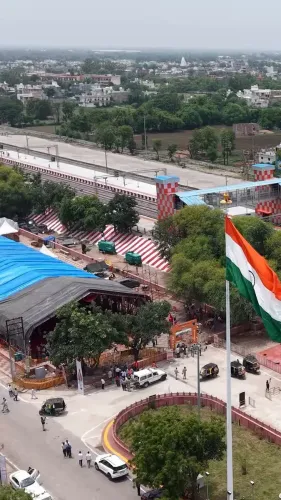
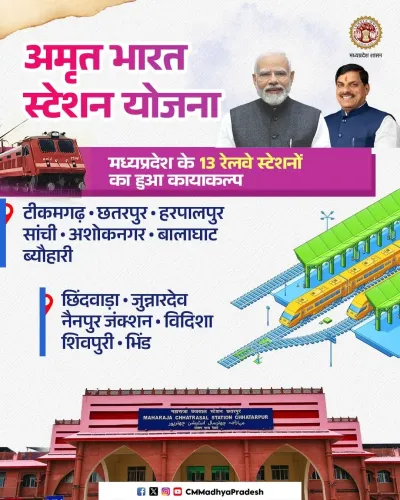
75 Amrit Bharat Stations were inaugurated simultaneously on 17 July 2026 under the central station redevelopment scheme.
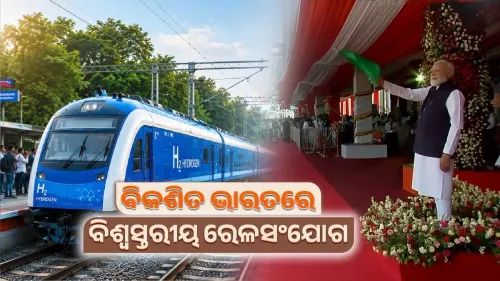
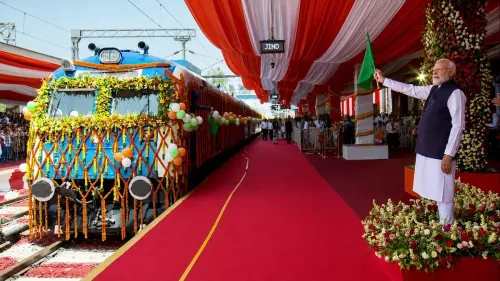
India's first hydrogen train was launched on the same day, marking a milestone in zero-emission rail technology.
CM Mohan Yadav called the twin launches a 'historic achievement' aligned with the 'Viksit Bharat' vision.
The Amrit Bharat Station scheme, launched in 2023 , targets redevelopment of more than 1,300 stations nationwide.
Indian Railways announced its hydrogen train roadmap in 2021 as part of a broader green mobility and decarbonisation agenda.
The hydrogen train produces zero direct emissions, emitting only water vapour, and could reduce diesel dependence on non-electrified routes.
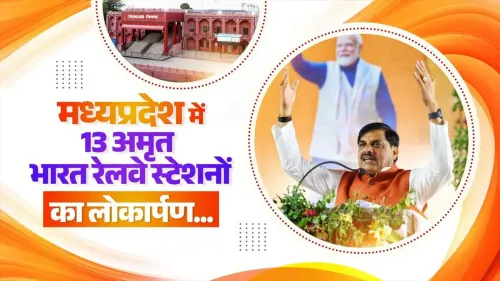
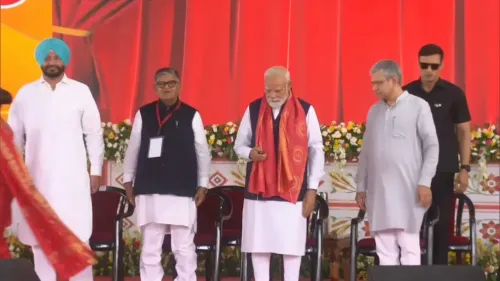
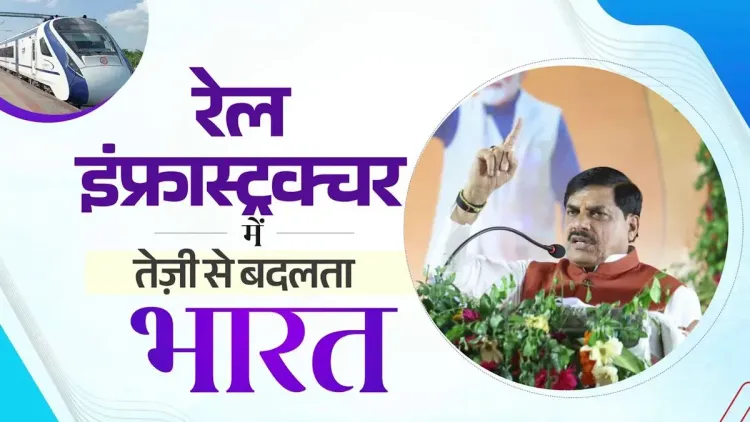
The Chief Minister's Office of Madhya Pradesh on Friday, 17 July 2026 welcomed the simultaneous inauguration of 75 Amrit Bharat Stations and the launch of India's first hydrogen train, calling the twin developments a historic milestone in Indian railway modernisation under Prime Minister Narendra Modi.
Context
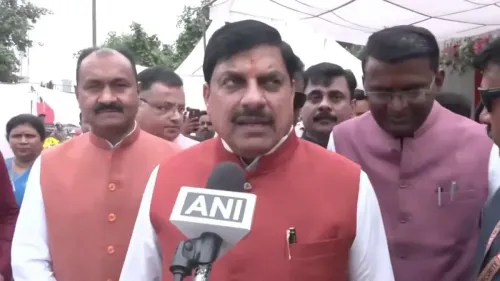
Chief Minister Mohan Yadav posted on X praising the dual railway events, stating in Hindi: 'यशस्वी प्रधानमंत्री श्री नरेंद्र मोदी जी के नेतृत्व में भारतीय रेलवे आधुनिकता की नई ऊंचाइयों को छू रही है' — 'Under the leadership of the accomplished Prime Minister Narendra Modi, Indian Railways is touching new heights of modernity.' He described the simultaneous inauguration of 75 Amrit Bharat Stations as a 'historic achievement' in the journey towards a 'Viksit Bharat' (Developed India).
Yadav also highlighted the hydrogen train launch, calling it 'an important step towards a clean, green and future-oriented transport system.' The post was directed at both the Railway Ministry and tagged with the official CM Madhya Pradesh handle, signalling state-level endorsement of a centrally driven infrastructure push.
Policy Backdrop
The Amrit Bharat Station redevelopment scheme was formally launched in 2023, targeting the upgrade of more than 1,300 railway stations across India with improved passenger amenities, better accessibility, multimodal connectivity, and modern architecture. The programme is among the flagship infrastructure initiatives of the current Union government.
Indian Railways announced its hydrogen train development roadmap in 2021 as part of a broader green mobility agenda that also includes 100% electrification of the rail network, dedicated freight corridors, and alignment with the National Hydrogen Mission. A hydrogen fuel-cell train produces zero direct emissions, emitting only water vapour, making it a significant step for decarbonising rail transport.
Stakeholders and Impact
Railway passengers across the stations covered under the Amrit Bharat scheme stand to benefit from upgraded waiting areas, improved sanitation, better lighting, and smoother multimodal connections. State governments like Madhya Pradesh, which host several stations under the programme, see direct economic and connectivity dividends from the upgrades.
For the broader transport sector, the hydrogen train launch signals a potential shift in India's approach to last-mile and regional rail connectivity. If scaled, hydrogen-powered rolling stock could help reduce diesel dependence on non-electrified routes, contributing to India's net-zero climate commitments.
What's Next
With 75 stations inaugurated in this phase, attention now turns to the timeline for completing the remaining stations under the Amrit Bharat programme, which targets over 1,300 stations in total. Progress on procurement, construction timelines, and passenger feedback from the newly redeveloped stations will be closely watched.
On the hydrogen front, the key question is whether today's launch marks a pilot demonstration or the beginning of a phased commercial rollout. Expansion of hydrogen train services to additional corridors, and the development of supporting refuelling infrastructure, will determine the pace at which this technology integrates into India's mainstream rail network.
Point of View
Reinforcing a shared political narrative around 'Viksit Bharat.' The pairing of the Amrit Bharat station rollout with the hydrogen train launch in a single announcement is deliberate optics — connecting mass-scale upgrade work with a futuristic technology debut. For Indian Railways, the hydrogen train is as much a signal to global observers about India's green ambitions as it is an operational development. The real test will come in the months ahead, as both the pace of remaining station redevelopments and the commercial viability of hydrogen rail are scrutinised beyond the inauguration moment.
NationPress
16 Oct 2026
Frequently Asked Questions
What are Amrit Bharat Stations?
Amrit Bharat Stations are railway stations being redeveloped under a central government scheme launched in 2023, targeting upgrades to more than 1,300 stations across India with better passenger amenities, accessibility, and multimodal connectivity.
How many Amrit Bharat Stations were inaugurated on 17 July 2026?
75 Amrit Bharat Stations were inaugurated simultaneously on 17 July 2026, as noted by the Chief Minister's Office of Madhya Pradesh.
What is India's first hydrogen train?
India's first hydrogen train is an indigenous fuel-cell powered train developed by Indian Railways that produces zero direct emissions, emitting only water vapour, as part of the country's green mobility roadmap announced in 2021.
What did CM Mohan Yadav say about the railway launches?
CM Mohan Yadav called the simultaneous inauguration of 75 Amrit Bharat Stations a 'historic achievement' and described the hydrogen train launch as 'an important step towards a clean, green and future-oriented transport system.'
How many stations does the Amrit Bharat scheme cover in total?
The Amrit Bharat Station scheme targets the redevelopment of more than 1,300 railway stations across India, with 75 stations inaugurated in the latest phase on 17 July 2026.