ABVP demands NLSIU cancel Umar Khalid documentary screening on 14 Sep
Synopsis
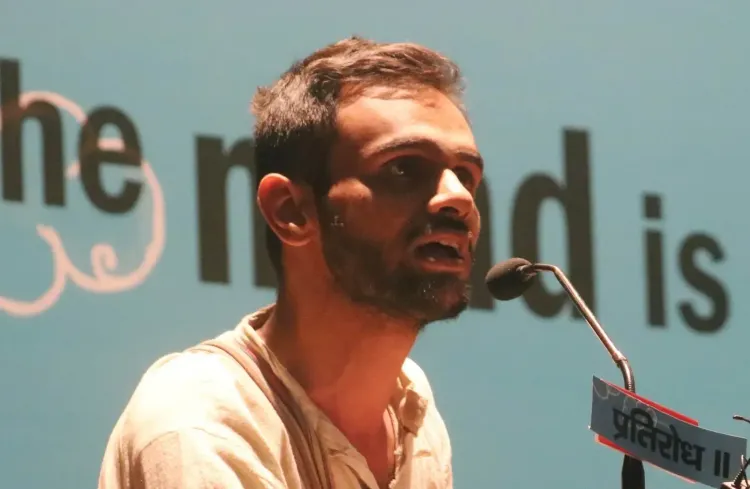
ABVP has demanded cancellation of a documentary screening on jailed activist Umar Khalid at NLSIU Bengaluru, just a day after Political Prisoners' Day and six years after his arrest. His father calls the move 'authoritarian' — and this is already the second such attempted cancellation of a Khalid-related academic event in weeks, raising pointed questions about free expression on Indian university campuses.
Key Takeaways
ABVP Bengaluru has demanded that NLSIU cancel the 14 September 2026 campus screening of the documentary Prisoner No.
626710 is Present on jailed activist Umar Khalid .
The screening is organised by the Law and Society Committee , a student body at NLSIU, in solidarity with Khalid and to mark six years of his imprisonment without trial.
ABVP Bengaluru Secretary Abhinandan Mirji confirmed a formal complaint was sent to the NLSIU administration and to Vice-Chancellor Sudhir Krishnaswamy ; no response has been received.
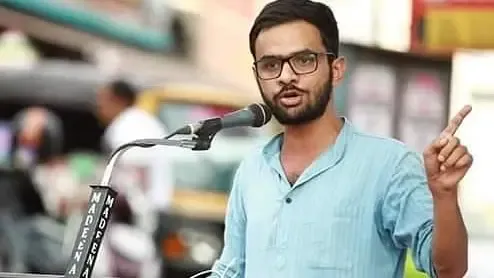
Khalid's father, Syed Qasim Rasool Ilyas , described the demand as 'authoritarian,' noting his son has not been convicted by any court.
This follows the JNU administration revoking the venue for a discussion on Khalid's book in August 2026 — the second such incident in weeks.
Umar Khalid has been in custody since September 2020 under the UAPA ; the trial is yet to begin.
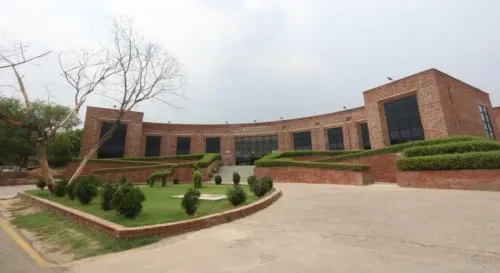
The Akhil Bharatiya Vidyarthi Parishad (ABVP) in Bengaluru has demanded that the National Law School of India University (NLSIU) cancel a planned campus screening of filmmaker Lalit Vachani's documentary on jailed activist Umar Khalid, titled Prisoner No. 626710 is Present. The screening is scheduled for 14 September 2026 and has been organised by the university's student body, the Law and Society Committee (Law Soc).
What the Screening Is About
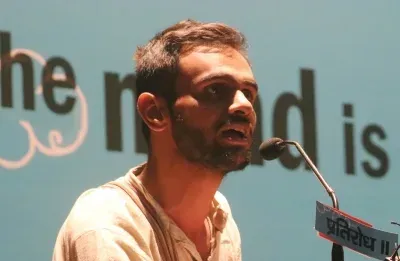
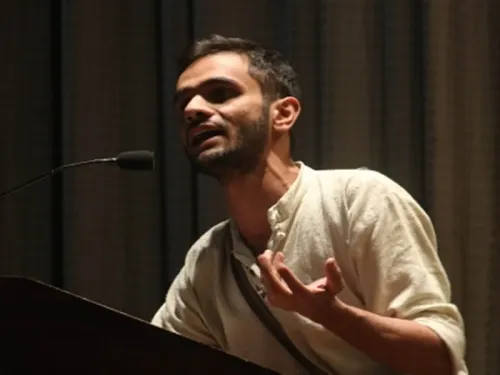
The event is being held in solidarity with Umar Khalid, a former student leader at Jawaharlal Nehru University (JNU), who has been in custody since September 2020 — now six years — without trial, under the Unlawful Activities (Prevention) Act (UAPA) in connection with the 2020 Delhi riots. The screening falls a day after Political Prisoners' Day, observed across India on 13 September, and coincides with the anniversary of Khalid's arrest. It is part of a wider series of solidarity events and screenings being organised at multiple locations across the country.
ABVP's Objections and Formal Complaint
In a press statement, ABVP Bengaluru Secretary Abhinandan Mirji said the RSS-backed student organisation 'strongly condemns the proposed campus screening.' The group has sent a formal complaint by email to the NLSIU administration urging authorities to stop the event, though Mirji confirmed that no response had been received as of the statement's release.
Separately, a letter was also sent to Sudhir Krishnaswamy, Vice-Chancellor of NLSIU, requesting cancellation of the documentary screening. 'ABVP emphasises that academic campuses must remain dedicated to national integrity and learning, rather than serving as platforms for political propaganda or glorifying civil unrest,' the statement read.
A Familiar Pattern: JNU Venue Revocation in August
This development comes weeks after the JNU administration in Delhi revoked permission for the venue where a discussion on Umar Khalid's book, Fractured Communities: Adivasi Histories and the Politics of Power, was scheduled to be held in August 2026. Critics argue this points to a broader pattern of institutional resistance to events associated with Khalid's case. Notably, this is at least the second such cancellation or attempted cancellation of a Khalid-related academic event within a matter of weeks.
Family Responds: 'Authoritarian Approach'
Umar Khalid's father, Syed Qasim Rasool Ilyas, responded sharply to the latest demand, saying that his son had not been convicted by any court. 'Until a court convicts a person, they are considered innocent in the eyes of the law. Preventing screenings or programmes until a crime is proven is an authoritarian and wrong approach by ABVP,' he said.
Ilyas also alleged that individuals associated with movements against the National Register of Citizens (NRC) and the Citizenship Amendment Act (CAA) had been linked to the Delhi riots by the government, and that 'false cases had been prepared against them.' He questioned the prolonged pre-trial custody of his son and other accused, noting that bail had been denied at every level — from the lower court to the High Court and the Supreme Court. 'Even after six years, the trial has not yet begun. In such a situation, they should have been granted bail,' he added. He also noted that questions surrounding the case had been raised by media organisations, human rights groups, and various forums both in India and abroad.
Legal Status and What Comes Next
Umar Khalid has been charged under the UAPA and related provisions, but the trial is yet to begin even after six years of incarceration. The NLSIU administration had not publicly responded to ABVP's demand at the time of reporting. Whether the screening proceeds on 14 September will depend on the university's decision, which is being closely watched by student rights groups and civil liberties organisations across the country.
Point of View
Public statement invoking 'national integrity', no formal legal bar but institutional pressure. What mainstream coverage often glosses over is the constitutional tension: a law school campus is precisely the setting where UAPA's procedural legitimacy ought to be debated. Six years without trial under a law that inverts standard bail norms is itself a matter of public interest, not propaganda. The recurring pattern of pre-emptive event cancellations, rather than engagement with the legal arguments, risks making university administrations instruments of de facto censorship — a precedent with implications well beyond any single case or activist.
NationPress
13 Sept 2026
Frequently Asked Questions
What is the documentary 'Prisoner No. 626710 is Present' about?
It is a documentary by filmmaker Lalit Vachani on jailed activist Umar Khalid, who has been held without trial since September 2020 under the UAPA in connection with the 2020 Delhi riots. The title references Khalid's prisoner number.
Why is ABVP opposing the NLSIU screening?
ABVP argues that academic campuses should not serve as platforms for 'political propaganda or glorifying civil unrest,' and has sent formal complaints to the NLSIU administration and Vice-Chancellor Sudhir Krishnaswamy seeking cancellation. The organisation has not received a response as of the latest reports.
What is Umar Khalid's current legal status?
Umar Khalid has been in custody since September 2020 — six years — charged under the Unlawful Activities (Prevention) Act (UAPA) and other provisions in connection with the 2020 Delhi riots. The trial is yet to begin, and bail has been denied at the lower court, High Court, and Supreme Court levels.
Has a similar incident happened before at another university?
Yes. In August 2026, the JNU administration in Delhi revoked the venue for a discussion on Umar Khalid's book, 'Fractured Communities: Adivasi Histories and the Politics of Power.' The NLSIU demand marks the second such attempted cancellation of a Khalid-related academic event within weeks.
What has Umar Khalid's family said about the ABVP demand?
His father, Syed Qasim Rasool Ilyas, called the move 'authoritarian and wrong,' asserting that Khalid has not been convicted by any court and is therefore innocent in the eyes of the law. He also questioned the prolonged pre-trial detention and the repeated denial of bail.