JNU sloganeering erupts at Umar Khalid book event on 10 August
Synopsis
A book discussion at JNU became a campus battleground on 10 August when JNUSU students demanded Umar Khalid's release and ABVP members raised counter-slogans — after the administration had already cancelled the original auditorium venue. With Khalid in custody since September 2020 under UAPA, his book is now doing what he cannot: showing up on campus and dividing it.
Key Takeaways
JNU witnessed rival sloganeering on 10 August during a discussion on Umar Khalid's book Fractured Communities: Adivasi History and Politics of Power .
The JNU auditorium booking was cancelled by the administration over 'incorrect and incomplete' information; the JNUSU moved the event outside the School of Social Sciences-II building.
JNUSU students chanted slogans demanding Khalid's release; ABVP -affiliated students responded with counter-slogans, creating a tense standoff.
Umar Khalid has been in custody since September 2020 under the UAPA in the 2020 northeast Delhi riots conspiracy case.
The incident follows a pattern of recurring ideological clashes at JNU dating back to at least 2016 .
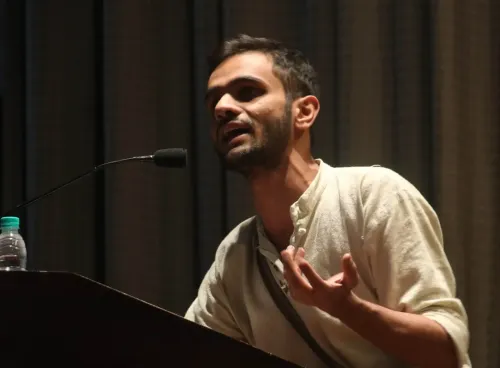
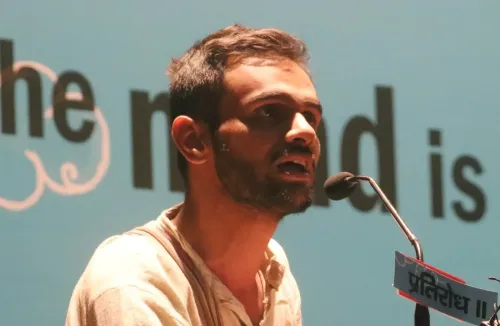
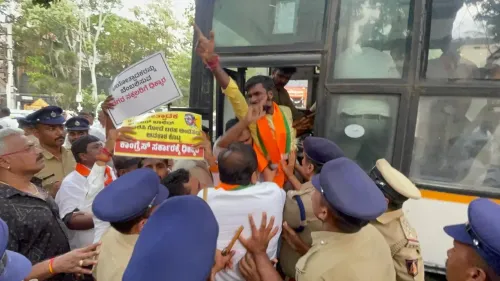
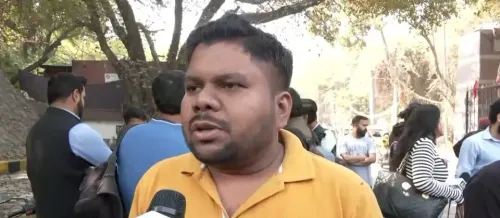
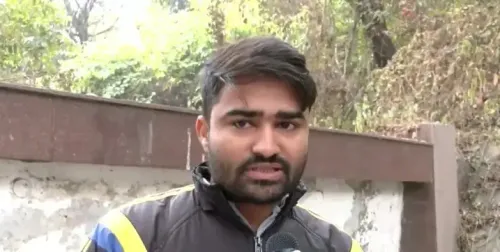
A book discussion at Jawaharlal Nehru University (JNU) on Monday, 10 August descended into a tense standoff between rival student groups, with competing slogans over the release of jailed former student leader Umar Khalid turning a literary event into a flashpoint on the New Delhi campus.
How the Event Unfolded
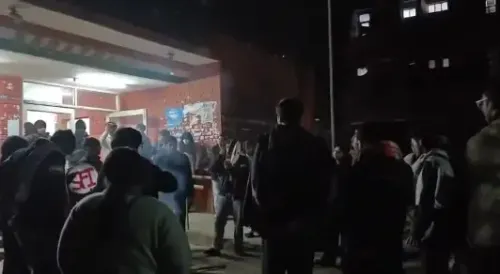
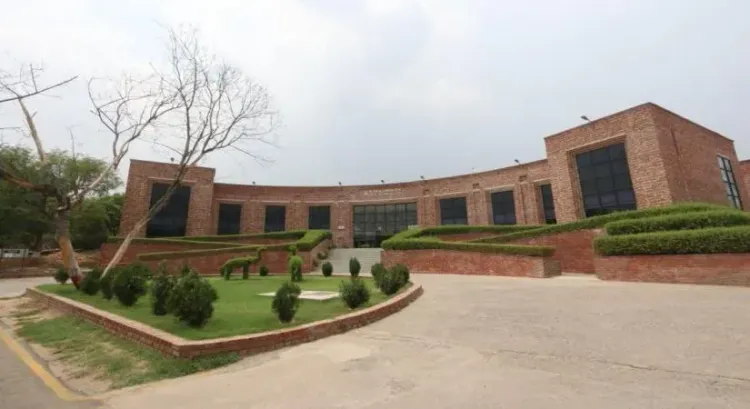
The discussion centred on Khalid's book Fractured Communities: Adivasi History and Politics of Power and was originally scheduled at the JNU auditorium. The administration cancelled that booking, citing 'incorrect and incomplete' information provided at the time of the request. Undeterred, the JNU Students' Union (JNUSU) relocated the event to the area outside the School of Social Sciences-II building, where it commenced at approximately 3 pm.
The Confrontation
As the discussion got under way, students affiliated with the JNUSU raised slogans demanding Khalid's release, chanting phrases including 'Release Umar Khalid' and 'The locks of the jail will break, all comrades will be freed.' Students linked to the Akhil Bharatiya Vidyarthi Parishad (ABVP), who opposed the event, responded with counter-slogans, creating a charged atmosphere on campus. The exchange led to acrimonious scenes and a volley of allegations and counter-allegations between the two factions.
Who Is Umar Khalid
Umar Khalid, a former JNU student leader, has been in custody since September 2020 under the Unlawful Activities (Prevention) Act (UAPA) in connection with the alleged conspiracy behind the 2020 northeast Delhi riots. His prolonged incarceration without bail has remained a point of contention among civil liberties advocates and student groups.
JNU Administration's Position
The university administration maintained that the auditorium booking was revoked because the organisers had provided 'incorrect and incomplete' information while securing the venue. The administration has not commented further on the relocated outdoor event or the sloganeering that followed.
Broader Context
Monday's incident is not the first time JNU has been at the centre of political controversy involving Khalid. The campus has seen recurring tensions between left-leaning student bodies and the ABVP since at least 2016, when sedition charges — later dropped — were filed against students following a campus event. The latest flashpoint underscores how Khalid's continued detention continues to animate campus politics, with his book providing a fresh occasion for ideological confrontation.
Point of View
Which effectively turned a contained indoor discussion into an outdoor confrontation visible to the entire campus. Whether or not the booking paperwork was deficient, the outcome was predictable: grievance amplified, optics worsened, and the ABVP handed a stage it might not otherwise have occupied. Umar Khalid has now been in UAPA custody for nearly five years without a conviction; the persistence of campus mobilisation around his case reflects a bail system that critics argue has become a de facto sentencing mechanism. JNU's administration would do well to ask whether venue cancellations resolve political tensions or simply relocate them.
NationPress
25 Sept 2026
Frequently Asked Questions
What happened at JNU on 10 August?
A discussion on former student leader Umar Khalid's book was relocated outdoors after the administration cancelled the auditorium booking. JNUSU students raised slogans demanding Khalid's release, while ABVP-affiliated students responded with counter-slogans, leading to a tense confrontation.
Why did JNU cancel the auditorium booking?
The JNU administration stated that the auditorium booking was revoked because the organisers had provided 'incorrect and incomplete' information when securing the venue. No further details were offered publicly.
What is the book being discussed?
The book is titled Fractured Communities: Adivasi History and Politics of Power, authored by Umar Khalid. The discussion was organised by the JNUSU on the JNU campus.
What is the history of political clashes at JNU?
JNU has seen recurring ideological clashes between left-leaning student bodies and the ABVP since at least 2016, when sedition charges — later dropped — were filed against students following a campus event. Monday's incident follows that established pattern of campus political confrontation.