Why are Left-wing student groups protesting against PM Modi and HM Shah at JNU?
Synopsis
In a notable protest at Jawaharlal Nehru University, several Left-wing student groups raised slogans against Prime Minister Narendra Modi and Home Minister Amit Shah. The demonstration, linked to the recent denial of bail for Umar Khalid and Sharjeel Imam, has drawn sharp criticism from the BJP, labeling the protesters as part of the 'urban Naxal' ecosystem.
Key Takeaways
Protest arose at JNU against Modi and Shah Linked to bail denial for Khalid and Imam BJP condemns protesters as 'urban Naxals' Delhi Police did not receive complaints Reflects ongoing political tensions
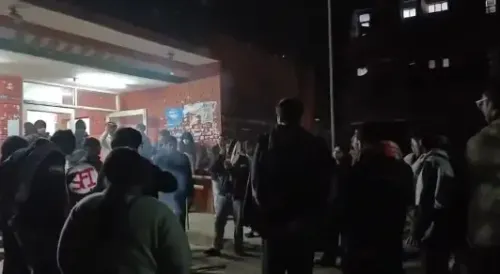
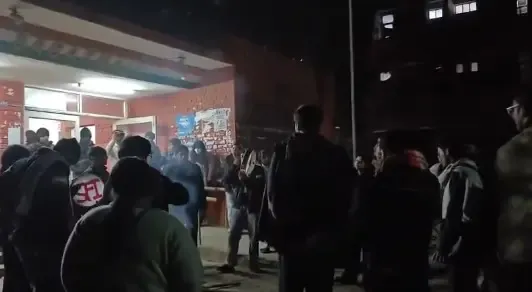
New Delhi, Jan 6 (NationPress) A group of Left-aligned student organizations at Jawaharlal Nehru University (JNU) chanted slogans opposing Prime Minister Narendra Modi and Union Home Minister Amit Shah during an assembly at the 'Guerrilla Dhaba' on the university grounds.
This event unfolded on Monday evening, soon after the Supreme Court denied bail to former JNU students Umar Khalid and Sharjeel Imam in relation to the 2020 Delhi riots.
Approximately 30 to 40 students linked to the Democratic Students' Federation (DSF), the All India Students' Association (AISA), and the Students' Federation of India (SFI) participated in the protest, voicing anti-government sentiments.
One of the slogans that resonated was "Modi-Shah ki kabra khudegi, JNU ki dharti par", which prompted a strong response from the BJP.
The BJP reacted sharply, condemning the Leftist groups and connecting the demonstration to the bail denial of Khalid and Imam.
BJP representatives characterized the demonstrators as members of the so-called "tukde ecosystem" and branded them as "urban Naxals".
BJP national spokesperson Shehzad Poonawalla expressed on X, "These slogans shouted by the Tukde ecosystem in JNU follow the bail denial for Umar Sharjeel. This is an anti-India faction of Urban Naxals... Votebank ke naam par Umar Sharjeel Bachao Gang kaam par."
Another BJP spokesperson, Pradeep Bhandari, denounced the event via social media, stating, "Urban Naxals supporting anti-national Umar Khalid and Sharjeel Imam protested late at night in JNU outside Sabarmati Hostel. This is not a protest; it is an embrace of anti-India ideology! Intellectual terrorists can be academics, doctors, or engineers," he stated in his post on X.
Meanwhile, Delhi Police reported that they had not received any complaints concerning the slogans raised at the JNU campus.
Union Minister Giriraj Singh commented, "JNU has become a center for the so-called 'tukde-tukde' gang, which includes Rahul Gandhi, the TMC, Left factions, and other opposition forces. It has transformed into the operational base for this group, and the nation will not stand for it."
Point of View
I observe that this protest at JNU reflects the ongoing tensions in India's political climate. The actions of the Left-wing student groups and the BJP's fierce backlash underscore the polarized nature of contemporary discourse in our nation. It's essential to navigate these discussions with an emphasis on dialogue and understanding rather than division.
NationPress
19 Sept 2026
Frequently Asked Questions
What sparked the protest at JNU?
The protest was sparked by the Supreme Court's denial of bail to former JNU students Umar Khalid and Sharjeel Imam, who are linked to the 2020 Delhi riots.
How did the BJP react to the protest?
The BJP condemned the Left-wing groups involved in the protest, labeling them as 'urban Naxals' and part of the 'tukde ecosystem'.
What slogans were raised during the protest?
One notable slogan raised was 'Modi-Shah ki kabra khudegi, JNU ki dharti par', which drew significant backlash from the BJP.
Did the police intervene during the protest?
The Delhi Police stated that they had not received any complaints regarding the slogans raised at the JNU campus.
What are the broader implications of this protest?
This protest highlights the ongoing tensions in India's political landscape and the deepening divide between various ideological factions.