Delhi Court Approves Bail for JNU Students Arrested During Protest

Synopsis
In a significant legal development, a Delhi court has granted bail to 14 JNU students arrested during a protest march aimed at the Union Ministry of Education. This incident raises questions about police conduct and the students' democratic rights.
Key Takeaways
The Delhi court granted bail to 14 JNU students.
The bail bond was set at Rs 25,000 each.
The protest was claimed to have turned violent by police.
Students expressed willingness to cooperate with investigations.
The university denied permission for protests outside its premises.
New Delhi, Feb 27 (NationPress) A court in Delhi has granted bail to all 14 students from Jawaharlal Nehru University (JNU) who faced arrest during their protest march from the university to the Union Ministry of Education (MoE).
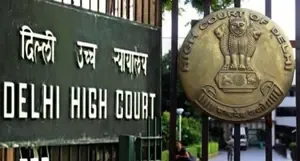
The detained individuals, including three officials from the JNU Students' Union, were presented before the Patiala House Court following their arrest amid a clash with police on Thursday.
The court approved bail for all 14 students, setting the bond at Rs 25,000 each.
During the proceedings, the Delhi Police argued that judicial custody was essential for ongoing investigations, alleging that the protest had escalated to violence.
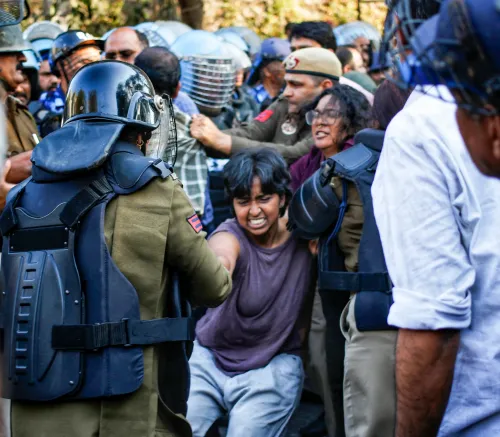
According to police reports, approximately 300 demonstrators attempted to stage a "Long March" without the necessary permissions. When officers tried to intervene by establishing barricades, the protesters reportedly clashed with them, leading to physical confrontations.
The police asserted that the demonstration was not conducted peacefully, claiming injuries were sustained by several officers during the altercation.
The investigating authorities informed the court that many of the accused had previously participated in protests that involved the use of force, noting that four separate FIRs had been recorded in relation to similar situations.
In response to the plea for judicial custody, the defense attorney argued that the students were willing to cooperate fully with the investigation and expressed readiness to submit a written assurance to the court.
After considering both arguments, the court granted bail to all 14 accused upon the submission of bail bonds of Rs 25,000 each.
This confrontation took place on Thursday after students tried to march outside the JNU campus, despite the university administration's announcement that no permission had been granted for protests beyond the campus boundaries.
The Delhi Police maintained that the protesters resorted to violence, including attacks on police personnel, while the students and the JNU Teachers Association condemned what they termed the "excessive use of force and infringement of democratic rights."
Frequently Asked Questions
Why were the JNU students arrested?
The JNU students were arrested during a protest march towards the Union Ministry of Education, which escalated into a confrontation with police.
What was the bail amount set by the court?
The court set the bail amount at Rs 25,000 for each of the 14 students.
What did the police claim about the protest?
The police claimed that the protest turned violent, resulting in injuries to several officers.
What was the students' response to the judicial custody plea?
The students' counsel argued that they were willing to cooperate with the investigation and submit a written undertaking.
How did the university administration respond to the protest?
The university administration stated that no permission had been granted for protests beyond the campus.