JNU Campus Violence: ABVP Activists Share Disturbing Incident Details
Synopsis
In a shocking turn of events at JNU, ABVP activists recount a violent protest that escalated into chaos, resulting in injuries and allegations of harassment. Learn about the clash between student factions and the actions planned by ABVP in response.
Key Takeaways
Violence erupted at JNU during a protest rally.
ABVP activists claimed harassment and physical assaults.
Formal complaints will be filed with Delhi Police and JNU administration.
The protest aimed to address administrative issues and demands for change.
Conflicting narratives highlight ongoing tensions within the student body.
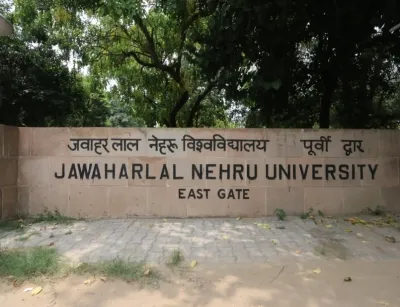
New Delhi, Feb 23 (NationPress) Activists from the ABVP detailed the distressing events that transpired early Monday morning at the Jawaharlal Nehru University (JNU) campus, outlining their forthcoming actions.
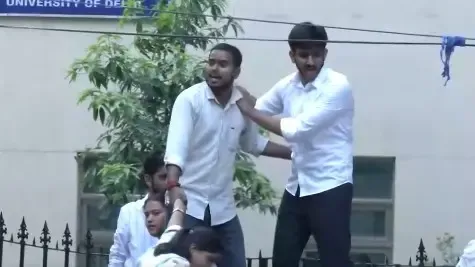
Reportedly, violence erupted on the JNU campus when a protest rally escalated into a confrontation, with student factions from differing ideological perspectives accusing one another of instigating the conflict.
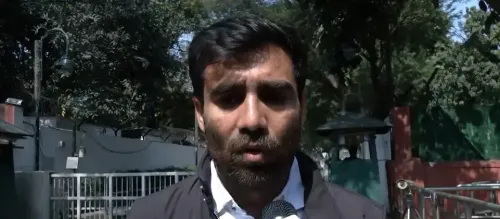
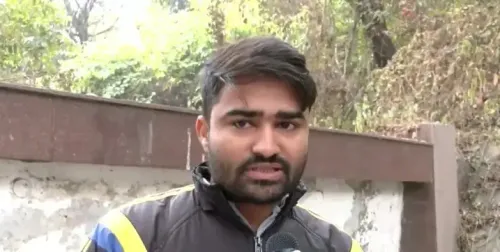
ABVP member Vikas Patel claimed that approximately three months prior, a proposal was made to install a facial recognition system in the university library, akin to systems used in Metro stations.
He alleged that JNUSU members vandalized the machine, valued at Rs 20 lakh. Following an investigation, those implicated faced rustication for two semesters and a fine of Rs 20,000. According to Patel, demonstrations were allegedly being organized in response to this disciplinary measure.
Furthermore, he contended that when protestors failed to garner sufficient backing from fellow students, they persistently attempted to disrupt classes. Late Sunday night, a march was convened, initially anticipated to conclude without incident.
However, Patel alleged that once the march was over, the crowd headed towards academic zones, attempting to lock reading rooms and libraries. Students already studying there were allegedly compelled to vacate, resulting in heightened tension and a physical altercation.
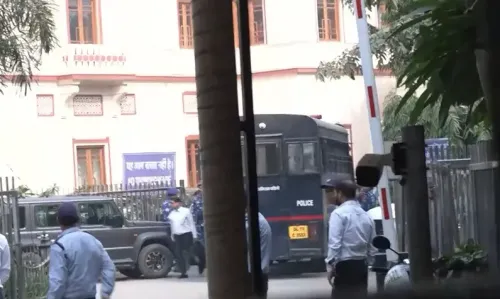
Patel also claimed that stone-pelting occurred, and an ABVP activist was assaulted within the premises. He asserted that the activist was doused with fire extinguisher powder and physically assaulted before police intervened to rescue him. He noted that the ABVP plans to lodge formal complaints with both the Delhi Police and the JNU administration.
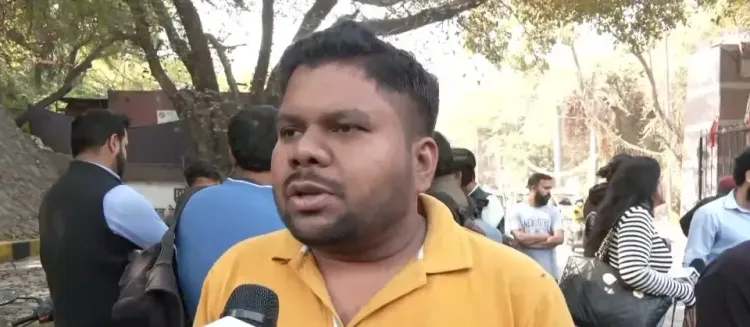
Another ABVP activist, Shikha Swaraj, alleged that the march strayed from its intended path towards the Vice-Chancellor’s residence and instead moved into academic areas, where students reportedly faced harassment. She mentioned that injured students would engage in Medico-Legal Case (MLC) procedures and file their complaints.
Violence erupted at the JNU campus in the early hours of Monday as the protest rally turned chaotic, with two student groups accusing each other of initiating the first strike.
The Jawaharlal Nehru University Students' Union (JNUSU) had organized an 'Equality March', demanding the resignation of Vice-Chancellor Santishree Dhulipudi Pandit for alleged "casteist" remarks she made during a podcast on February 16. The Union also expressed disapproval of her comments regarding University Grants Commission (UGC) regulations, Dalits, and affirmative action. Furthermore, they sought the annulment of a rustication order against four student body officials due to alleged vandalism of university property during a protest.
Protestors claimed that the administration did not engage with the marchers and allowed ABVP members, affiliated with the BJP, to confront them.
However, the ABVP refuted these claims, accusing left-wing organizations of inciting violence and disseminating misinformation about the incident.
Left-leaning groups, including the All India Students' Association (AISA), alleged that ABVP members hurled stones at the JNUSU encampment and assaulted "unarmed students," resulting in numerous injuries.
The protest spotlighted issues such as the enforcement of UGC guidelines and the revocation of students' rustication orders.
ABVP Secretary at JNU, Pravin Kumar Piyush, stated, "Late at night, a Left-wing group initiated a march from Sabarmati T-Point to the JNU Vice-Chancellor's residence. After the march concluded, around 400-500 masked individuals entered the school area wielding hockey sticks, rods, batons, knives, and stones, forcefully entering the school where students were studying in reading rooms and allegedly pushing them out."
According to Vaibhav Meena, JNUSU Joint Secretary (ABVP), the atmosphere transformed into a "night of terror" as a large group of masked individuals roamed the campus.
Point of View
It is crucial to seek clarity and ensure a safe environment for all students.
NationPress
3 Oct 2026
Frequently Asked Questions
What triggered the violence at JNU?
The violence was reportedly triggered when a protest rally escalated into confrontations between opposing student groups.
What are the ABVP's claims regarding the protest?
ABVP activists allege that they were attacked and that members of rival groups attempted to disrupt classes and vandalize property.
What actions is ABVP planning to take?
ABVP plans to file formal complaints with the Delhi Police and JNU administration regarding the incidents.
What was the focus of the protest?
The protest focused on demanding the resignation of the Vice-Chancellor and the revocation of rustication orders against student leaders.
How did the JNUSU respond to the incident?
JNUSU members accused the administration of failing to engage with them and allowing ABVP members to confront them.