Punjab targets 700 lakh quintal sugarcane output in 2026-27 season
Synopsis
Punjab has set an ambitious 700 lakh quintal sugarcane target for 2026-27, with acreage already up to 1.16 lakh hectares. The state is combining ₹3,200-per-acre demo plot incentives, a 40% subsidy on harvesting machinery, and joint PAU-sugar mill outreach camps — the most co-ordinated push for the crop since it was designated Punjab's third-most critical agricultural commodity.
Key Takeaways
Punjab has set a 700 lakh quintal sugarcane production target for the 2026-27 season.
Cultivated area has risen to 1,16,131 hectares , up from 1,11,818 hectares in 2025-26.
Farmers setting up demonstration plots will receive ₹3,200 per acre in state incentives across 12 districts .
A 40 per cent subsidy is on offer for key mechanisation equipment including sugarcane harvesters, cane planters and ratoon managers.
Joint awareness camps by Punjab Agricultural University (PAU) , the Agriculture Department, and sugar mills are being held statewide.
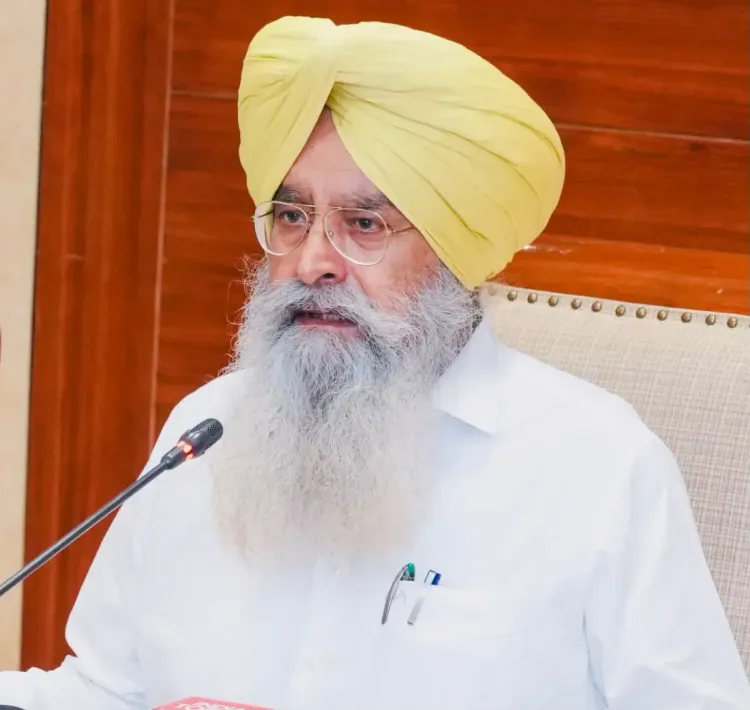
Agriculture Minister Gurmeet Singh Khudian described sugarcane as Punjab's third-most critical crop after wheat and paddy.
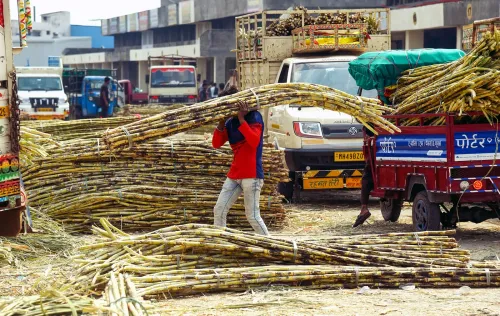
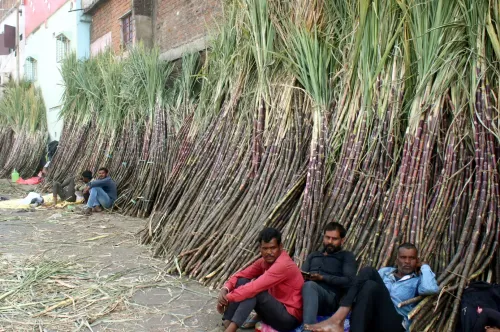
Punjab Agriculture Minister Gurmeet Singh Khudian on Sunday, 13 September 2026, announced a 700 lakh quintal sugarcane production target for the 2026-27 season, backed by a multi-pronged strategy spanning mechanisation, technology outreach and direct financial incentives. Sugarcane acreage in the state has climbed to 1,16,131 hectares this season — up from 1,11,818 hectares in 2025-26 — making it Punjab's third-most critical crop after wheat and paddy.
Acreage Breakdown and Production Outlook
Of the total cultivated area, 51,174 hectares are under spring crop, 47,295 hectares under ratoon crop, and 17,662 hectares under autumn crop. The 700 lakh quintal output estimate is contingent on favourable weather conditions remaining through the harvest period. According to the minister, proactive interventions are already in place to deliver marked improvement in both yield and sugar recovery.
'However, with the proactive interventions in place and a favourable weather outlook, we expect marked improvement in both yield and sugar recovery in the upcoming season,' Khudian said in a statement.
Incentives for Demonstration Plots
For 2026-27, the Punjab government has introduced an incentive of ₹3,200 per acre for farmers who set up demonstration plots showcasing recommended cultivation techniques. The scheme covers 12 districts — Amritsar, Gurdaspur, Hoshiarpur, Jalandhar, Shaheed Bhagat Singh Nagar, Fatehgarh Sahib, Rupnagar, Mohali, Patiala, Fazilka, Faridkot, and Kapurthala.
These demo plots are designed to promote advanced practices including wide-row spacing, trench planting, intercropping, mulching, and scientific ratoon management — all aimed at boosting yields while reducing input costs.
Mechanisation Push: 40% Subsidy on Key Equipment
To counter the chronic shortage of farm labour during sowing and harvesting, the government is offering a 40 per cent subsidy on key equipment — sugarcane harvesters, small tractors, cane planters, and ratoon managers. 'Mechanisation is no longer an option but a necessity. Our aim is to make these machines easily accessible and affordable for every farmer,' Khudian said.
This comes amid a broader state push to cut cultivation costs, which have made sugarcane less competitive against alternative crops in some regions. The subsidy model mirrors mechanisation incentives already in use for paddy and wheat, now extended to the sugar sector.
Grassroots Tech Outreach via PAU Camps
Joint teams drawn from Punjab Agricultural University (PAU), the state Agriculture Department, and sugar mills are conducting awareness camps across Punjab. The camps focus on wide-spacing trench planting, primary seed nurseries, disease-free certified seed varieties, balanced fertiliser use, integrated pest management, and ratoon management. The outreach is intended to close the gap between recommended practices and on-ground adoption, which officials say has historically constrained sugar recovery rates.
What This Means for Farmers and the Sugar Sector
The combined effect of expanded acreage, demonstration plot incentives, and mechanisation subsidies positions Punjab's sugarcane sector for its most structured intervention in recent years. Notably, higher sugar recovery — driven by better agronomy — directly translates into improved State Advised Price (SAP) realisations for growers. With sugar mills also part of the awareness drive, the supply chain from farm to factory is expected to see tighter coordination this season. How effectively these measures translate from policy to field-level outcomes will be closely watched as the harvest season approaches.
Point of View
Which historically lags in Punjab compared to Uttar Pradesh and Maharashtra; better agronomy alone cannot close that gap without mill-side modernisation. The inclusion of sugar mills in the outreach camps is a signal that the government understands this, but mill-level investment data is conspicuously absent from the announcement. Without that piece, the 700-lakh-quintal target risks being a strong acreage story with a soft value-realisation ending.
NationPress
13 Sept 2026
Frequently Asked Questions
What is Punjab's sugarcane production target for 2026-27?
Punjab has set a target of 700 lakh quintals of sugarcane for the 2026-27 season, subject to favourable weather. The state's sugarcane acreage has grown to 1,16,131 hectares this season, up from 1,11,818 hectares in 2025-26.
What financial incentive is Punjab offering sugarcane farmers?
The state government is offering ₹3,200 per acre to farmers who set up demonstration plots showcasing recommended cultivation techniques. The scheme is being implemented across 12 districts including Amritsar, Gurdaspur, Patiala, and Kapurthala.
What subsidy is available on sugarcane farming machinery in Punjab?
Punjab is providing a 40 per cent subsidy on key mechanisation equipment including sugarcane harvesters, small tractors, cane planters, and ratoon managers. The subsidy is aimed at addressing the shortage of farm labour during sowing and harvesting seasons.
Which districts are covered under Punjab's sugarcane demonstration plot scheme?
The scheme spans 12 districts: Amritsar, Gurdaspur, Hoshiarpur, Jalandhar, Shaheed Bhagat Singh Nagar, Fatehgarh Sahib, Rupnagar, Mohali, Patiala, Fazilka, Faridkot, and Kapurthala.
What role is Punjab Agricultural University playing in the sugarcane initiative?
Punjab Agricultural University (PAU), along with the state Agriculture Department and sugar mills, is conducting joint awareness camps statewide. The camps cover trench planting, certified seed varieties, integrated pest management, balanced fertiliser use, and scientific ratoon management.