Adani Ports launches dedicated empty container yard at Mundra to cut logistics costs
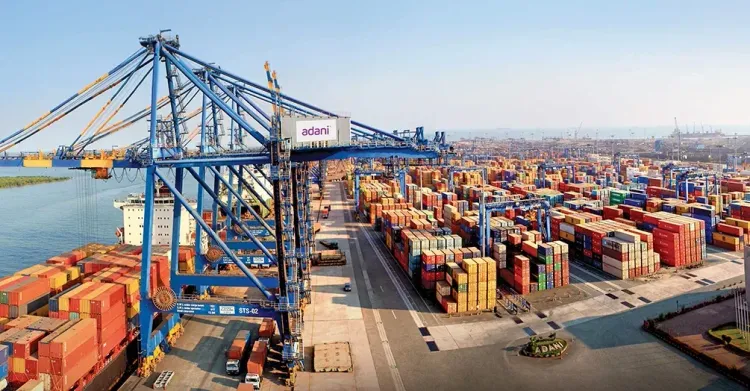
Synopsis
Mundra Port — already handling 35% of India's container trade — is getting a dedicated Empty Container Yard to manage 1.6 million TEUs of empties annually. For APSEZ, it is a targeted fix for one of port logistics' most overlooked friction points, and a signal that 'Ambition 2031' is moving from roadmap to ground-level infrastructure.
Key Takeaways
APSEZ launched a dedicated Empty Container Yard (ECY) with integrated warehousing at Mundra Port on 4 September .
Mundra Port handles nearly 35% of India's container trade and manages approximately 1.6 million TEUs of empty containers annually.
APSEZ holds a 45.5% share of India's container market as of FY26 .
The ECY is part of the 'Ambition 2031' roadmap, which targets adding more than 6 million TEUs of capacity over five years.
APSEZ operates 16 ports and terminals with a cargo handling capacity of 653 million tonnes per annum , targeting 1 billion tonnes by 2030 .
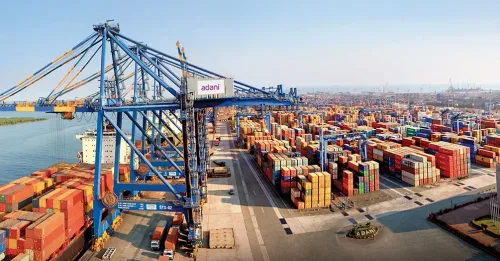
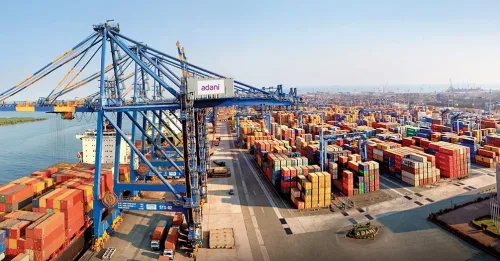
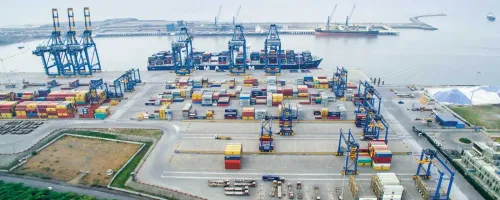
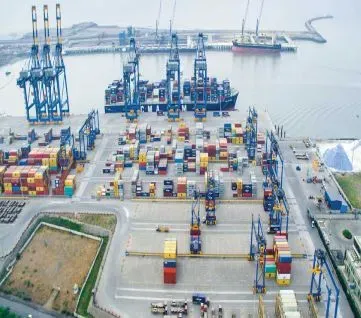
Adani Ports and Special Economic Zone Ltd (APSEZ) on Friday, 4 September announced the launch of a dedicated Empty Container Yard (ECY) with integrated warehousing at Mundra Port, offering end-to-end services across the empty container lifecycle — covering storage, maintenance, inspection, and seamless movement to exporters and container freight stations (CFSs). The move is positioned as a structural upgrade to India's container logistics backbone at its single largest port.
What the Empty Container Yard Offers
The ECY at Mundra will be operated by APSEZ and/or partners, including CFS operators and shipping lines. The facility is designed to enable faster container turnaround times, reduce unnecessary repositioning movements, and bring down overall logistics costs for exporters.
Mundra Port currently handles approximately 1.6 million TEUs of empty containers annually, according to the company — a volume that underscores the scale of the inefficiency the new yard is meant to address.
What the CEO Said
'The dedicated Empty Container Yard at Mundra, to be operated by APSEZ and/or partners (including CFS and shipping lines), will enhance efficiency across the container ecosystem by enabling faster turnaround times, reducing unnecessary container movements, and optimising logistics costs,' said Ashwani Gupta, Whole-time Director and Chief Executive Officer of APSEZ. Gupta added that strengthening trade-enabling infrastructure remains central to APSEZ's commitment to supporting India's growth and the vision of Viksit Bharat.
Mundra's Scale and Market Position
Adani Ports commands a 45.5% share of India's container market as of FY26. Within that, Mundra Port alone accounts for nearly 35% of the country's total container trade, making it India's largest container-handling port by volume.
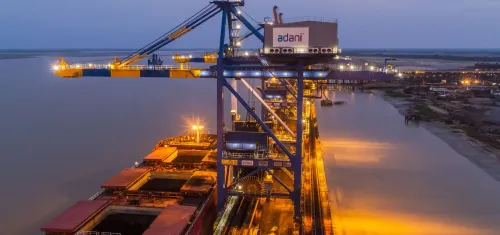
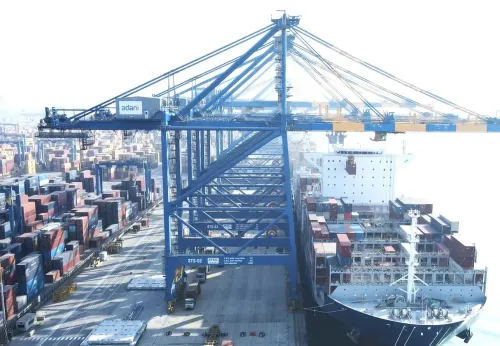
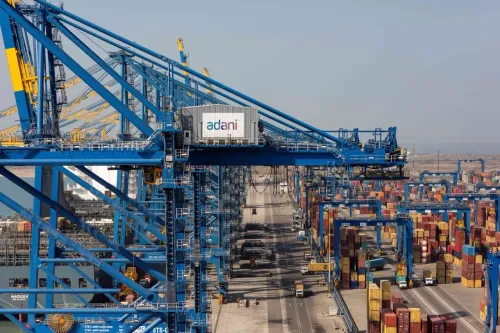
APSEZ operates a network of 16 ports and terminals across India, supported by a diversified marine fleet of 136 vessels. Its current cargo handling capacity stands at 653 million tonnes per annum, representing approximately 27% of India's total port volumes.
Ambition 2031 and Capacity Expansion
The ECY launch is part of APSEZ's broader 'Ambition 2031' growth roadmap. Under this plan, the company intends to add more than 6 million TEUs of container handling capacity over the next five years, with Mundra at the forefront of that expansion. APSEZ has separately set a target of reaching 1 billion tonnes of throughput by 2030.
The initiative also aligns with the government's push for technology-enabled logistics systems and improving ease of doing business for exporters. With empty container management often cited as a friction point in India's export supply chains, the dedicated yard could reduce dwell times and free up capacity at congested CFSs.
Impact on Exporters and Supply Chains
For Indian exporters — particularly from Gujarat and the broader western hinterland — faster access to repositioned empty containers can directly reduce lead times and booking costs. This is the kind of last-mile logistics fix that port-level infrastructure upgrades often overlook, making the ECY model notable if executed at scale.
How quickly the facility reaches operational scale, and whether shipping lines commit to the integrated model, will determine whether the efficiency gains materialise beyond the announcement stage.
Point of View
But the real test is adoption: whether shipping lines and CFS operators integrate into the shared model or continue running parallel yards. At 1.6 million TEUs of annual empty volume, the prize is real. The 'Ambition 2031' framing, however, risks overshadowing a straightforward infrastructure announcement with promotional noise — the facility's success will be measured in turnaround times, not roadmap slides.
NationPress
4 Sept 2026
Frequently Asked Questions
What is the Empty Container Yard (ECY) launched by Adani Ports at Mundra?
It is a dedicated facility at Mundra Port offering integrated warehousing and end-to-end services across the empty container lifecycle, including storage, maintenance, inspection, and movement to exporters and container freight stations. The yard will be operated by APSEZ and/or partners including CFS operators and shipping lines.
Why is the Mundra ECY significant for Indian exporters?
Mundra Port handles nearly 35% of India's container trade and manages around 1.6 million TEUs of empty containers annually. Faster access to repositioned empties can reduce exporter lead times and booking costs, particularly for businesses in Gujarat and the western hinterland.
How does this fit into APSEZ's Ambition 2031 plan?
The ECY launch is part of APSEZ's 'Ambition 2031' growth roadmap, under which the company plans to add more than 6 million TEUs of container handling capacity over the next five years. APSEZ is also targeting 1 billion tonnes of total throughput by 2030.
What is APSEZ's current market share in Indian container trade?
Adani Ports commands a 45.5% share of India's container market as of FY26. The company operates 16 ports and terminals with a cargo handling capacity of 653 million tonnes per annum, representing about 27% of India's total port volumes.
Who heads APSEZ and what did they say about the ECY?
Ashwani Gupta is the Whole-time Director and CEO of APSEZ. He said the dedicated ECY will 'enhance efficiency across the container ecosystem by enabling faster turnaround times, reducing unnecessary container movements, and optimising logistics costs.'