Adani Ports wins 18 MMT Paradip berths, portfolio hits 671 MMTPA
Synopsis
Adani Ports has secured a 30-year PPP concession to build two dry bulk berths at Paradip — India's second-largest major port — adding 18 MMT of capacity and pushing its portfolio to 671 MMTPA. With 27% of India's port volumes already under its belt, this East Coast win is a calculated step toward a billion-tonne target by 2030, backed by steel hinterland demand and the government's domestic coal push.
Key Takeaways
APSEZ received the Letter of Award for two dry bulk berths at Paradip Port, Odisha on 9 September .
The deal adds 18 MMT of new capacity, taking APSEZ's total portfolio to 671 MMTPA .
The concession runs for 30 years under a Public-Private Partnership model; APSEZ was the highest bidder.
APSEZ now operates 16 ports and terminals across India's 11,000-km coastline and controls approximately 27% of India's total port volumes.
The expansion targets rising demand for coal, limestone , and dry bulk commodities from eastern and central India's industrial clusters.
APSEZ's 1 billion tonne cargo throughput target remains set for 2030 .
Adani Ports and Special Economic Zone Limited (APSEZ) on Wednesday, 9 September received the Letter of Award (LoA) for the development and operation of two dry bulk berths at Paradip Port in Odisha, adding 18 million metric tonnes (MMT) of new handling capacity to its network. The win takes APSEZ's total portfolio to 671 MMTPA, bringing the company closer to its stated target of 1 billion tonnes of cargo throughput by 2030.
What the Concession Covers
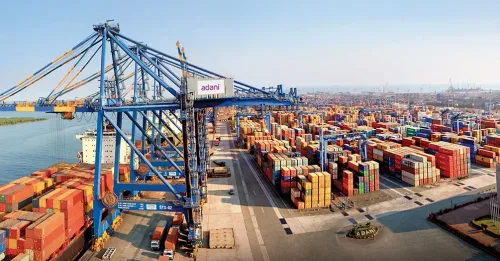
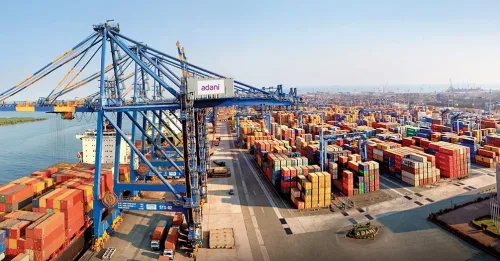
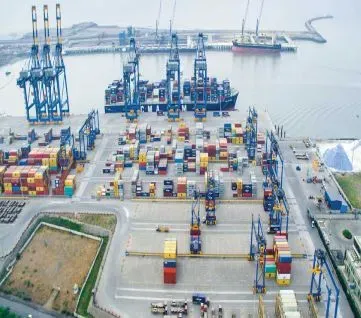
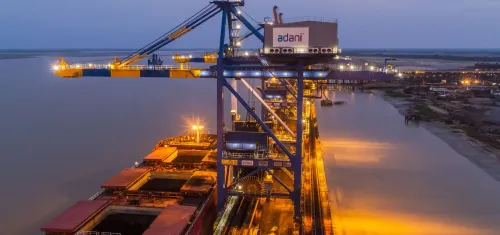
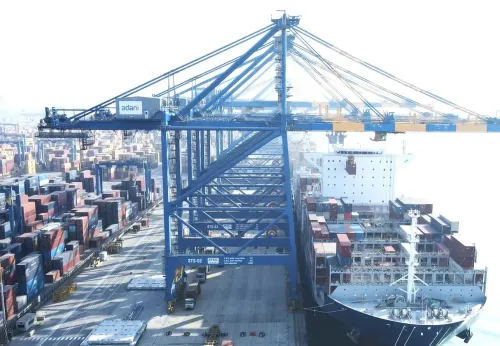
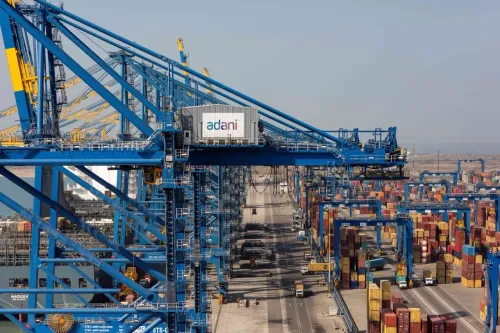
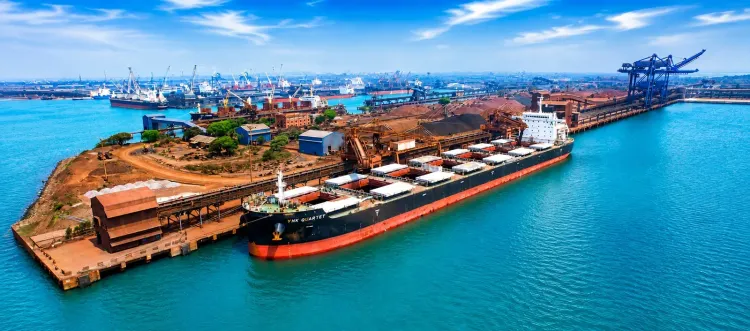
Under a 30-year concession structured on the Public-Private Partnership (PPP) model, APSEZ emerged as the highest bidder for the project. The company will develop the CQ-I and CQ-II berths, equipped with state-of-the-art mechanised cargo handling systems, deep-draft berths, and large-scale storage infrastructure. The terminal is designed to handle rising volumes of coal, limestone, and other dry bulk commodities that feed the industrial clusters of eastern and central India.
Strategic Importance of the East Coast Foothold
Paradip is India's second-largest major port and a critical bulk cargo gateway, situated in a mineral-rich hinterland surrounded by major steel plants. With this addition, APSEZ's domestic network grows to 16 ports and terminals spread across India's 11,000-km coastline. The company already commands approximately 27% of India's total port volumes, making this expansion a reinforcement of a dominant market position rather than a new entry.
Ashwani Gupta, Whole-time Director and CEO of APSEZ, said the concession 'will strengthen APSEZ's presence on the East Coast and expand our access to one of India's most important industrial and mineral-rich hinterlands.' He added that the Paradip addition strengthens the company's 'ability to deliver integrated port, logistics and marine solutions through the country's most comprehensive transport infrastructure platform.'
Addressing a Capacity Crunch
The project directly addresses high utilisation rates across India's East Coast ports, which have faced growing pressure from surging cargo demand. According to APSEZ, the expansion is supported by hinterland steel capacity additions and the government's push to increase domestic coal consumption — two structural tailwinds that are expected to sustain bulk cargo volumes for the foreseeable future. The new berths are intended to ease regional capacity bottlenecks and facilitate industrial growth in eastern and central India.
APSEZ's Broader Infrastructure Ecosystem
Beyond ports, APSEZ operates a diversified logistics network comprising a marine fleet of 136 vessels, 12 multi-modal logistics parks, 3.1 million square feet of warehousing space, and a proprietary trucking platform with over 25,000 trucks. This integrated model positions the company to capture value across the full supply chain — from port handling to last-mile delivery — as India's trade volumes continue to expand.
With the Paradip concession now secured, all eyes will be on execution timelines and the pace at which APSEZ closes the gap toward its billion-tonne ambition by 2030.
Point of View
And a berth at India's second-largest major port corrects that imbalance. But the real question is execution: a 30-year PPP concession in a high-utilisation environment demands that mechanisation targets and throughput ramp-ups stay on schedule. At 671 MMTPA against a 1,000 MMTPA goal, APSEZ still needs to add roughly a third more capacity in under six years — meaning Paradip is a milestone, not a destination. The government's domestic coal push and hinterland steel expansions are genuine tailwinds, but regulatory and land-side logistics risks on the East Coast have historically slowed port projects. Whether APSEZ's integrated logistics model translates into a faster ramp-up than peers will be the real test of this concession's value.
NationPress
24 Oct 2026
Frequently Asked Questions
What did Adani Ports win at Paradip Port?
Adani Ports and Special Economic Zone Limited (APSEZ) received the Letter of Award for the development and operation of two dry bulk berths — designated CQ-I and CQ-II — at Paradip Port in Odisha. The project adds 18 MMT of new handling capacity under a 30-year PPP concession, with APSEZ emerging as the highest bidder.
How does the Paradip deal affect APSEZ's total capacity?
The 18 MMT addition takes APSEZ's total portfolio to 671 MMTPA, advancing the company's target of reaching 1 billion tonnes of cargo throughput by 2030. APSEZ currently controls approximately 27% of India's total port volumes.
Why is Paradip Port strategically important for Adani Ports?
Paradip is India's second-largest major port and a key bulk cargo gateway, located in a mineral-rich hinterland close to major steel plants. The concession strengthens APSEZ's East Coast presence and expands its access to industrial and manufacturing clusters in eastern and central India.
What cargo will the new Paradip berths handle?
The CQ-I and CQ-II berths are designed to handle dry bulk commodities, primarily coal, limestone, and similar materials that supply the steel and industrial clusters of eastern and central India. The berths will feature mechanised cargo handling systems, deep-draft access, and large-scale storage infrastructure.
What is APSEZ's broader logistics network beyond ports?
Beyond its 16 ports and terminals, APSEZ operates a marine fleet of 136 vessels, 12 multi-modal logistics parks, 3.1 million square feet of warehousing, and a proprietary trucking platform with over 25,000 trucks — forming an integrated supply-chain ecosystem across India.