Have Afghanistan's anti-Taliban movements reached an agreement with rulers?
Synopsis
A significant shift is occurring in Afghanistan where three major political factions opposing the Taliban have united for a common cause. This newfound consensus aims to address the nation's crisis, marking a potential turning point for peace in the region.
Key Takeaways
The three major political factions in Afghanistan have united against the Taliban.
A new agreement is viewed as a potential pathway to peace.
Key leaders from past governments are involved in the coalition.
Iran is playing a role in facilitating discussions.
Opposition leaders face challenges from Taliban forces.
New Delhi, December 10 (NationPress) In a noteworthy turn of events in Afghanistan, three prominent political factions resisting the Taliban have "reached a consensus and are uniting their efforts to confront the ongoing crisis," as reported. The Afghanistan International news outlet cited spokesperson Abdullah Qarluq of the National Resistance Council for Salvation of Afghanistan, stating that these three significant anti-Taliban political movements have come together to voice their concerns regarding the current situation.
This Council, established as an anti-Taliban platform following the fall of Kabul in 2021, includes figures like Ahmad Massoud, Ata Mohammad Noor, and Yunus Qanuni.
Other groups involved in this collaboration reportedly include the Afghanistan National Movement for Peace and Justice, led by Hanif Atmar, and the National Assembly for Salvation, headed by Mohammad Mohaqiq, Abdul Rashid Dostum, and others.
Representatives from these movements have indicated that, for the first time, a diverse coalition of jihadist leaders and former technocrats from previous administrations has united. They characterized the agreement as a "historic opportunity for achieving lasting peace," the report added.
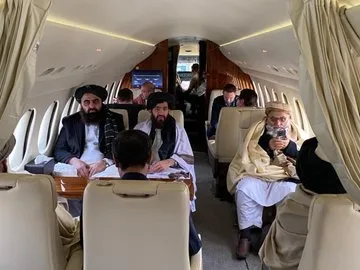
The discussions are believed to have been initiated at the request of Tehran, with reports stating that several anti-Taliban political figures have recently visited Iran. Notably, Neda Mohammad Nadim, a Taliban Minister of Higher Education and a close associate of Hibatullah Akhundzada, has also traveled to Iran.
Previous attempts to facilitate dialogue occurred as well, including a confirmed instance in 2022 where Iran hosted talks between Taliban Foreign Minister Amir Khan Muttaqi and opposition leaders. However, these earlier efforts did not yield any significant progress.
Members of these anti-Taliban factions have historical ties to the Mujahedin regime in Kabul after the Soviet withdrawal in 1989-90, or to subsequent governments.
Among the leadership is the son of Ahmad Shah Massoud, the skilled warrior who served as Defence Minister during the initial Mujahedin government and was assassinated by the Taliban in 2001.
Also included in this anti-Taliban coalition is Dostum, who served as a general in the former Najibullah government before aligning with the Mujahedin.
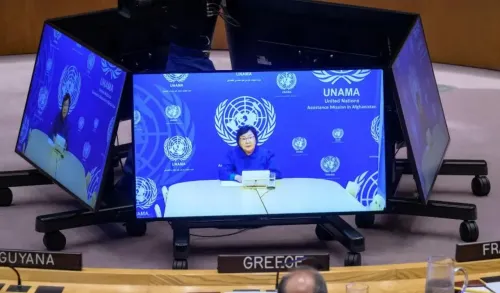
The Afghan International has reported that the two leaders, along with others from the opposition, have advocated for UN-supervised intra-Afghan peace negotiations.
A joint statement titled “National Consensus of Afghan Political Parties and Movements” was released on Tuesday during an online conference aimed at presenting a collective proposal to resolve Afghanistan’s ongoing challenges. This occurred amid Iran’s efforts to get Taliban officials to engage in talks with resistance leaders for potential reconciliation.
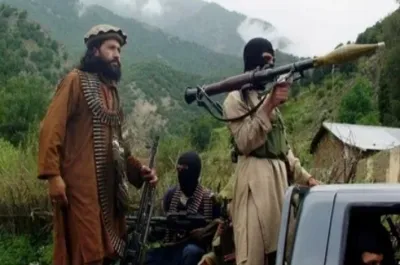
Currently, many opposition leaders are either in hiding within Afghanistan or have sought refuge elsewhere, with their supporters conducting guerrilla operations against the current rulers in Kabul. However, according to Afghanistan International, a united “National Consensus” declaration may soon be issued.
Point of View
It's crucial to recognize the historical significance of this agreement among anti-Taliban factions. This coalition marks a potential shift towards stability in Afghanistan, demonstrating a unified stand against oppression. The commitment to peace talks underlines the urgent need for dialogue and cooperation, ensuring the voices of all Afghans are heard.
NationPress
22 Sept 2026
Frequently Asked Questions
What is the significance of the agreement among the anti-Taliban movements?
The agreement represents a unified effort among diverse political factions to address Afghanistan's ongoing crisis, potentially paving the way for lasting peace.
Who are the key leaders involved in this coalition?
Prominent leaders include Ahmad Massoud, Ata Mohammad Noor, Yunus Qanuni, Hanif Atmar, Mohammad Mohaqiq, and Abdul Rashid Dostum.
What role does Iran play in these discussions?
Iran has reportedly facilitated discussions between anti-Taliban leaders and Taliban representatives, indicating its interest in fostering peace in Afghanistan.
How have past attempts at dialogue fared?
Previous attempts, including discussions in 2022, did not result in significant progress, but this new coalition represents a fresh approach.
What challenges do the opposition leaders face?
Many leaders are in hiding or in exile, and their followers are conducting guerrilla attacks against the Taliban, complicating their efforts for peace.