Ahmedabad Zoo deploys 40 air coolers, ORS water to protect 2,190 animals in heatwave
Synopsis
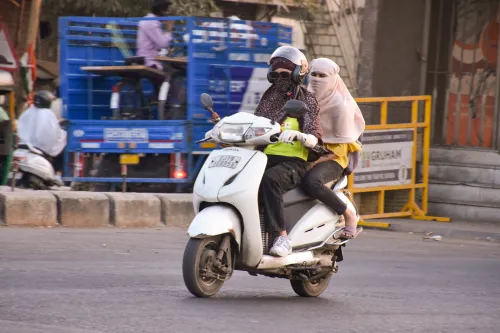
With Ahmedabad baking above 40°C, the city's Kankaria Zoo isn't just keeping its 2,190 animals alive — it's running a full summer health protocol: 40 air coolers, geo-thermal nocturnal cooling, ORS-spiked water, and watermelon diets. It's a reminder that urban heatwaves don't spare wildlife either.
Key Takeaways
Kamla Nehru Zoological Garden, Kankaria has deployed 38–40 air coolers near enclosures of elephants, lions, tigers, and leopards amid 40°C+ temperatures in Ahmedabad.
The zoo houses 2,190 animals, birds, and reptiles ; a geo-thermal aeration system has been set up specifically for the nocturnal zoo section.
Glucose and ORS powder are being mixed into drinking water; summer diets now include watermelon, musk melon, and sugarcane .
Veterinary teams have intensified vaccination drives, deworming, and behavioural monitoring with exotic species identified as most vulnerable.
The zoo expects nearly 3 lakh visitors this summer season and has logged 77.72 lakh visitors over the past five years.
A walk-in aviary is under development to enhance the visitor experience.
Kamla Nehru Zoological Garden at Kankaria, Ahmedabad, has rolled out an extensive summer protection programme for its 2,190 animals, birds, and reptiles as city temperatures climbed beyond 40°C during the ongoing heatwave. The Ahmedabad Municipal Corporation (AMC)-run zoo has deployed cooling infrastructure, adjusted animal diets, and intensified veterinary monitoring to shield wildlife from heat stress.
Cooling Infrastructure Installed Across Enclosures
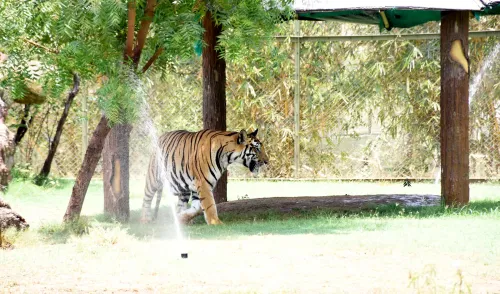
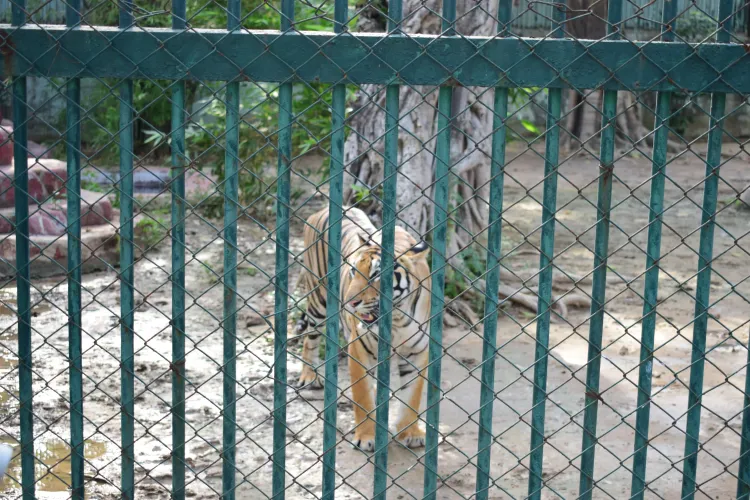
Around 38 to 40 air coolers have been installed near the enclosures of elephants, lions, tigers, and leopards to reduce heat stress during peak summer hours. Green shade nets have been placed over habitats to block direct sunlight, and regular water sprinkling is being carried out across animal enclosures and visitor areas to keep temperatures down.
A geo-thermal aeration system has been specifically set up at the nocturnal zoo section. According to officials, the arrangement maintains a cooler internal environment relative to outside temperatures, making conditions more suitable for nocturnal species during extreme heat periods.
Hydration and Diet Adjusted for Summer
To prevent dehydration, the zoo administration is mixing glucose and ORS powder into drinking water wherever required. Animal diets have also been overhauled for the season — fruits and food items with high water and glucose content, including watermelon, musk melon, and sugarcane, are being provided regularly as part of a dedicated summer feeding programme.
Shelters have been reinforced to ensure direct sunlight does not fall on animals or birds during the hottest parts of the day.
Veterinary Teams on Heightened Alert
Zoo officials noted that exotic species are generally more vulnerable to extreme summer conditions. In response, the veterinary team has intensified vaccination drives, deworming procedures, routine medical check-ups, and monitoring rounds across the zoo premises. Veterinary doctors are conducting behavioural observations to identify early signs of stress or discomfort caused by the heat.
Animal keeper staff have been instructed to carry out regular cleaning of cages and enclosures, ensure timely feeding, and maintain continuous care during the summer months. The summer management programme is being implemented under the guidance of zoo advisor Dr R.K. Sahu and zoo superintendent Dr Sharv Shah.
Point of View
But it also surfaces a wider question: as Indian cities face increasingly intense and prolonged heatwaves, urban zoos — many of them ageing facilities with limited climate infrastructure — are being stress-tested in ways their original designs never anticipated. The deployment of ORS, geo-thermal cooling, and adjusted diets reflects genuine veterinary awareness, but the real policy gap is in long-term infrastructure investment. A summer protocol is a workaround; climate-resilient enclosure design is a solution. With over 77 lakh visitors in five years, Kankaria is clearly a public asset — and it deserves a capital plan that matches the ambition of its walk-in aviary project.
NationPress
24 Sept 2026
Frequently Asked Questions
What measures has Ahmedabad's Kankaria Zoo taken to protect animals during the heatwave?
The zoo has installed 38–40 air coolers near enclosures, erected green shade nets, set up a geo-thermal aeration system for the nocturnal section, and is mixing glucose and ORS powder into drinking water. Animal diets have been adjusted to include high-water-content fruits like watermelon and musk melon.
How many animals are housed at Kamla Nehru Zoological Garden, Kankaria?
The zoo currently houses approximately 2,190 animals, birds, and reptiles. Tigers, leopards, and blackbucks were recently added to the facility, and authorities are in the process of bringing in additional species.
Why are exotic species at greater risk during the heatwave?
Zoo officials noted that exotic species are generally more vulnerable to extreme summer conditions as they may not be adapted to India's peak heat. In response, veterinary teams have intensified vaccination drives, deworming, medical check-ups, and behavioural monitoring rounds.
Is Kankaria Zoo open to visitors during the summer heatwave?
Yes, the zoo remains open from 9 am to 7 pm during the summer vacation season and is expected to receive nearly 3 lakh visitors. Visitor amenities including drinking water stations, shaded areas, air coolers, and water sprinkling systems have been arranged across the premises.
Who is overseeing the summer management programme at Kankaria Zoo?
The summer management arrangements are being implemented under the guidance of zoo advisor Dr R.K. Sahu and zoo superintendent Dr Sharv Shah, with animal keeper staff and veterinary doctors conducting regular monitoring and care rounds.