Ahmedabad plans 'Beggary Homes' under SMILE scheme to rehabilitate homeless
Synopsis
Ahmedabad is moving beyond rescue drives — the city is now building permanent 'Beggary Homes' backed by ₹55 lakh in central funding per centre under the SMILE scheme. With 244 people rescued in a single three-day operation and hundreds more over two years, this is one of India's most structured urban homeless rehabilitation pushes, with Gandhinagar potentially next in line.
Key Takeaways
Ahmedabad Municipal Corporation , police, and the Union Ministry of Social Justice are jointly implementing 'Beggary Homes' under the SMILE scheme .
Each shelter home will house approximately 50 persons and receive a central grant of ₹55 lakh .
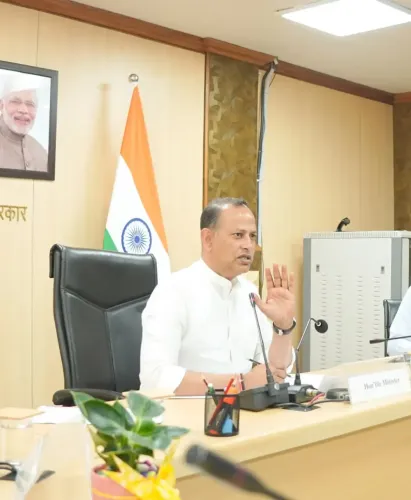
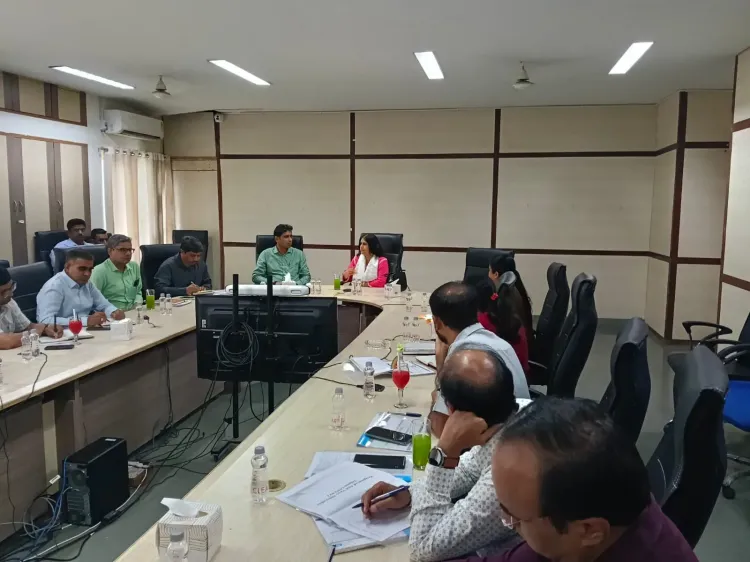
A review meeting was held on 26 June , chaired by Additional Secretary Mona Khandhar .
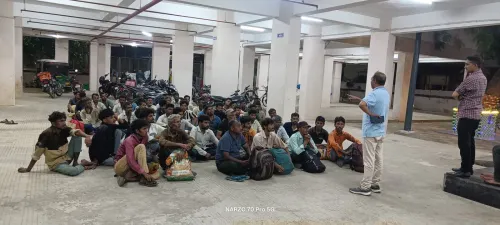
Around 244 individuals , including children, were rescued in a recent three-day citywide operation.
Rehabilitation services will include healthcare, skill training, employment linkages, and family reunification.
Gandhinagar Municipal Corporation representatives also participated, signalling potential expansion.
The Ahmedabad Municipal Corporation (AMC) has launched a coordinated push with the Ahmedabad Police and the Union Ministry of Social Justice and Empowerment to establish structured rehabilitation centres — called 'Beggary Homes' — under the Support for Marginalised Individuals for Livelihood and Enterprise (SMILE) scheme, aimed at making the city beggar-free. The initiative was reviewed at a high-level meeting on Friday, 26 June, chaired by Mona Khandhar, Additional Secretary of the Union Ministry of Social Justice and Empowerment.
Key Developments
Senior officials in attendance included Ahmedabad Municipal Commissioner Banchhanidhi Pani, representatives of the Gandhinagar Municipal Corporation, and officers from the Social Security and Police departments. The meeting focused on building a multi-agency framework for rehabilitation, temporary shelter, and reintegration of individuals engaged in begging across the city.
Each proposed Beggary Home will have a capacity of approximately 50 persons and will receive a central grant of ₹55 lakh per facility. The centres are designed to function as full-spectrum rehabilitation units — offering healthcare, skill development training, employment linkages, and access to eligible government welfare schemes.
What the SMILE Scheme Provides
The SMILE scheme, a Union government initiative, provides a structured framework for the rehabilitation of homeless and marginalised individuals. Under the plan being implemented in Ahmedabad, authorities will coordinate family reunification for those separated from relatives, dedicated care for the elderly and persons with disabilities, and skill-based vocational support for those capable of employment.
Temporary shelters and structured reintegration pathways form the backbone of the scheme's delivery model. Officials said those identified through rescue drives are placed under shelter-based care and linked to welfare schemes, education, and skill training as applicable.
Recent Rescue Operations
Ahmedabad's ongoing 'beggar-free city' drive has already seen significant ground action. During a recent three-day citywide operation, around 244 individuals — including adults and children — were rescued from identified locations across the city and transferred to temporary care facilities. According to official drive data, hundreds of people have been rescued and shifted to care facilities over the last two years.
Civic and police authorities coordinated the rescue operations, with rescued individuals subsequently linked to rehabilitation processes including welfare scheme access, education, and family reunification where applicable.
Broader Coordination and What Comes Next
The discussions at Friday's review meeting also addressed inter-departmental coordination between the AMC, law enforcement, and allied social welfare bodies. Officials indicated that the Beggary Homes model, once established in Ahmedabad, could serve as a template for other Gujarat cities, including Gandhinagar, whose municipal representatives were also part of the deliberations.
With central funding committed and a multi-agency structure in place, the rollout of the first Beggary Homes in Ahmedabad is expected to mark a significant step in India's urban homeless rehabilitation policy under the SMILE framework.
Point of View
A multi-agency structure, and an active rescue record. But the real measure will be outcomes: how many of the 244 recently rescued individuals are eventually employed, reunified with families, or sustainably housed, rather than cycling back to the streets. India's urban homelessness challenge is structural, not logistical, and no shelter home resolves the underlying push factors of rural distress and urban informality. The scheme's emphasis on skill training and welfare linkages is the right instinct; the missing piece is a public accountability mechanism to track whether those linkages actually hold.
NationPress
25 Sept 2026
Frequently Asked Questions
What are the 'Beggary Homes' being planned in Ahmedabad?
Beggary Homes are proposed rehabilitation centres under the Union government's SMILE scheme, each with a capacity of around 50 persons and a central grant of ₹55 lakh. They will provide shelter, healthcare, skill training, employment linkages, and access to welfare schemes for individuals engaged in begging.
What is the SMILE scheme?
SMILE stands for Support for Marginalised Individuals for Livelihood and Enterprise, a Union government scheme designed to rehabilitate homeless and marginalised individuals through structured shelter, skill development, and social welfare access. It is implemented in coordination with municipal corporations and state agencies.
How many people have been rescued under Ahmedabad's beggar-free city drive?
According to official drive data, hundreds of individuals have been rescued and shifted to temporary care facilities over the last two years. In one recent three-day citywide operation alone, around 244 individuals — including adults and children — were rescued from identified locations across the city.
Who chaired the review meeting on the Beggary Homes plan?
The review meeting held on 26 June was chaired by Mona Khandhar, Additional Secretary of the Union Ministry of Social Justice and Empowerment. Ahmedabad Municipal Commissioner Banchhanidhi Pani and representatives from Gandhinagar Municipal Corporation, Social Security, and Police departments also participated.
Will the Beggary Homes model expand beyond Ahmedabad?
Gandhinagar Municipal Corporation representatives were part of the 26 June review meeting, indicating that the model may be extended to other Gujarat cities. No formal announcement of expansion has been made yet.