AI-171 crash probe: Pilots' body urges Boeing 787 avionics review
Synopsis
India's pilots' federation is pushing the AAIB to examine the Boeing 787's complex 'More Electric Aircraft' electrical and avionics systems as part of the AI-171 crash probe. With the FIP citing prior warnings to aviation regulators and pointing to a cache of technical records held by a safety foundation, the investigation is facing pressure to go far deeper than a standard post-accident review.
Key Takeaways
The Federation of Indian Pilots (FIP) has formally urged the AAIB to broaden its examination of electrical and avionics evidence in the AI-171 Boeing 787 crash probe.
FIP President Captain CS Randhawa cited the Boeing 787's 'More Electric Aircraft' architecture as central to understanding potential accident causation.
The body called for scrutiny of technical material submitted by the Foundation for Aviation Safety (FAS) , reportedly covering operational history, maintenance anomalies and fault records of aircraft VT-ANB .
The AAIB had reportedly already acknowledged receiving and reviewing the FAS material through a UK AAIB expert.
The FIP had previously submitted letters and technical notes to the Ministry of Civil Aviation and DGCA about Boeing 787 electrical concerns before the June 2025 crash.
The Federation of Indian Pilots (FIP) has urged the Aircraft Accident Investigation Bureau (AAIB) to conduct a thorough evaluation of electrical, electronic and avionics-related evidence in its ongoing investigation into the Air India flight AI-171 Boeing 787 crash. In a formal letter dated 19 September 2026, FIP President Captain CS Randhawa stressed that all available technical information must be examined to reinforce aviation safety standards.
FIP's Core Demand
The pilots' body pointed to multiple letters and technical notes it had previously submitted to the Ministry of Civil Aviation, the Directorate General of Civil Aviation (DGCA), and the AAIB, raising concerns about reported electrical system issues on Boeing 787 aircraft and their possible links to the June 2025 accident involving aircraft VT-ANB. The FIP specifically called for scrutiny of technical material submitted by the Foundation for Aviation Safety (FAS), which reportedly contains documentation covering the aircraft's operational history, maintenance actions, recurring system anomalies and fault indications.
Notably, the FIP stated that the AAIB had already acknowledged receiving and reviewing this material through a UK AAIB expert — lending weight to calls for its formal integration into the investigation record.
Why the Boeing 787's Architecture Matters
At the heart of the FIP's technical argument is the Boeing 787's 'More Electric Aircraft' architecture — a highly integrated design in which electrical generation, distribution, monitoring and data-network systems are central to safe operation. The federation argued that recurring technical faults, intermittent failures, power interruptions, software resets, sensor discrepancies and maintenance troubleshooting records could collectively offer important clues about accident causation.
This concern is not new. Aviation safety researchers have noted that the 787's reliance on electrical systems for functions traditionally handled mechanically means that a chain of electrical anomalies, even individually minor, can have compounding effects on flight safety.
Key Technical Systems Under Scrutiny
The FIP called for investigators to examine a broad range of systems including Integrated Modular Avionics, flight management and flight-control computers, battery systems, power-control units, and onboard aircraft data networks. It also sought a detailed review of historical maintenance and reliability data, covering technical log entries, deferred defects, repetitive fault reports, troubleshooting records, component replacements, reliability monitoring data and engineering corrective actions throughout the aircraft's service life.
Investigators were further urged to correlate data from flight recorders, Aircraft Health Monitoring (AHM) systems, ACARS transmissions, maintenance databases, Built-In Test Equipment reports and manufacturer service records — a call for a multi-source evidentiary approach that goes beyond standard post-accident procedure.
What This Means for the Investigation
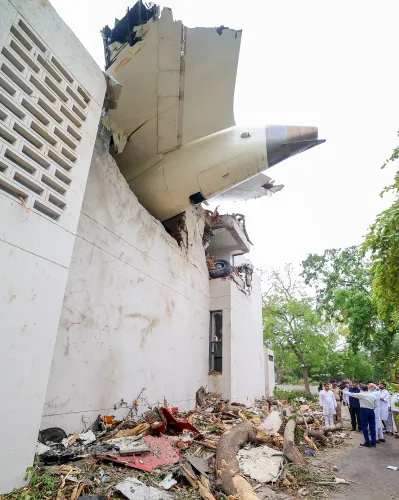
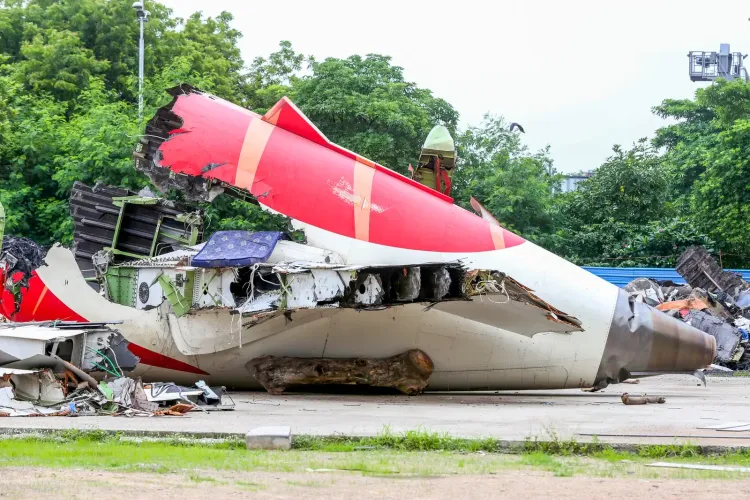
The FIP's intervention signals growing institutional pressure on the AAIB to widen its evidentiary net in what is already one of India's most closely watched aviation accident probes. The AI-171 crash, which involved a Boeing 787 registered as VT-ANB, has drawn scrutiny from pilots, regulators and safety bodies since it occurred in June 2025. The involvement of UK AAIB experts further underscores the international dimension of the inquiry.
With the probe ongoing, the outcome of this investigation is expected to shape regulatory guidance on Boeing 787 fleet management and electrical-system oversight across Indian carriers.
Point of View
The regulatory paper trail will become as important as the flight recorder data. India's aviation oversight architecture, already under pressure after a series of incident reports, faces a credibility test over whether pre-crash intelligence was adequately acted upon. The involvement of a UK AAIB expert adds a layer of international accountability that the AAIB will find difficult to sidestep.
NationPress
19 Sept 2026
Frequently Asked Questions
What is the AI-171 crash investigation about?
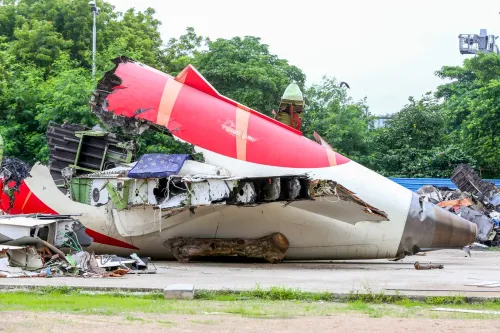
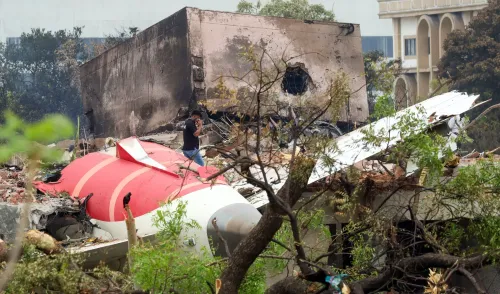
The AI-171 investigation concerns the crash of an Air India Boeing 787, registered as VT-ANB, which occurred in June 2025. The Aircraft Accident Investigation Bureau is leading the probe, with input from UK AAIB experts.
Why is the Federation of Indian Pilots calling for a wider review?
The FIP argues that the Boeing 787's 'More Electric Aircraft' architecture makes its electrical, avionics and data-network systems critical to understanding accident causation. It says recurring faults, power interruptions and software resets in such systems could collectively point to the root cause.
What technical records has the FIP asked investigators to examine?
The FIP has called for a review of flight recorders, Aircraft Health Monitoring data, ACARS transmissions, maintenance logs, deferred defect records, Built-In Test Equipment reports and manufacturer service records — as well as technical material held by the Foundation for Aviation Safety (FAS).
Had the FIP raised Boeing 787 safety concerns before the crash?
Yes. According to the FIP, it had submitted multiple letters and technical notes to the Ministry of Civil Aviation, DGCA and the AAIB about reported electrical system concerns on Boeing 787 aircraft before the June 2025 accident.
What happens next in the investigation?
The AAIB investigation is ongoing. The FIP's latest letter adds formal institutional pressure to expand the evidentiary scope. The probe's findings are expected to influence regulatory guidance on Boeing 787 fleet management and electrical-system oversight for Indian carriers.