Air India crash probe: No fuel switch defect found, thrust module under Seattle review
Synopsis
More than a year after the Air India Boeing 787 crash that killed 260 people near Ahmedabad, investigators have cleared the fuel control switch of any structural defect — but the broader thrust control module examination in Seattle remains unfinished. The government insists the AAIB probe is in its final stages, yet no completion date has been given, keeping answers out of reach for victims' families.
Key Takeaways
Investigators found no abnormality in the fuel control switch locking mechanism of the Air India Boeing 787 Dreamliner that crashed on 12 June last year.
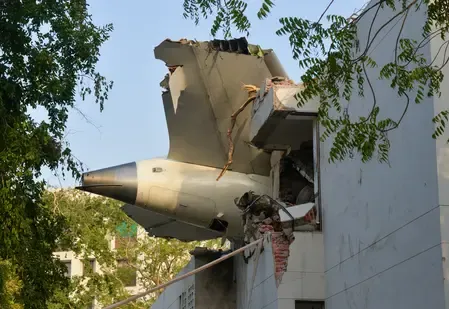
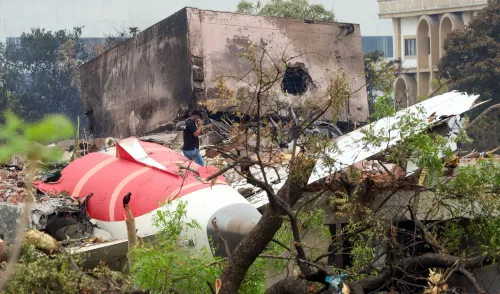
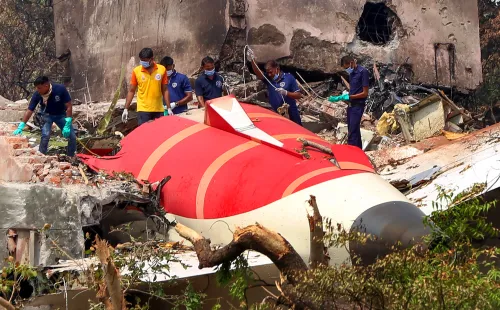
The crash occurred 35 seconds after takeoff from Ahmedabad airport , killing 260 people on board and on the ground.
Inspection of the complete Thrust Control Module at the OEM's facility in Seattle is still underway.
Minister of State Murlidhar Mohol told the Rajya Sabha on 29 June that the AI-171 probe is in its final stages.
The AAIB final report will be published on its website once the investigation is completed; no fixed date has been given.
The DGCA had grounded the Boeing 787 Dreamliner type in February 2025 , triggering the advanced component-level testing.
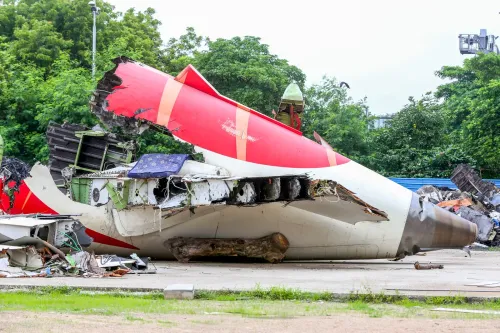
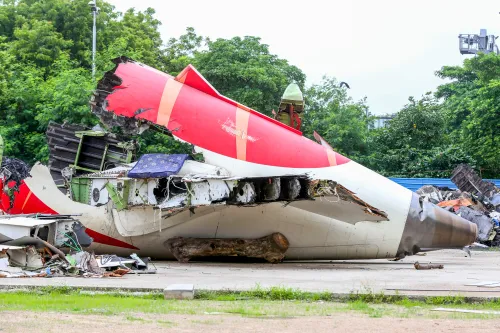
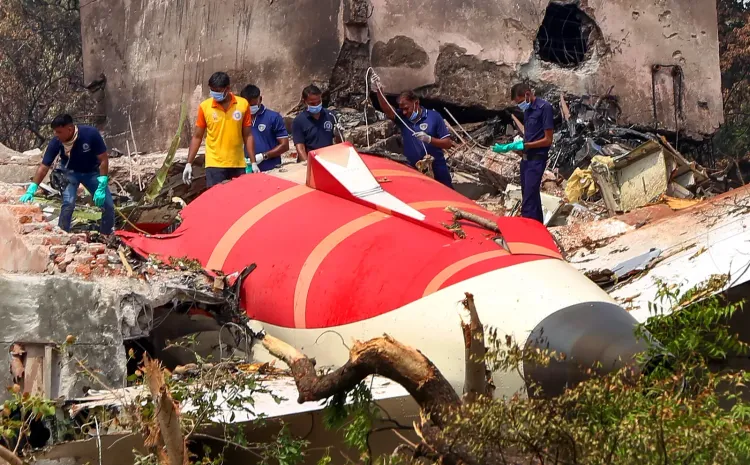
Investigators probing the Air India Boeing 787 Dreamliner crash that killed 260 people on 12 June last year have found no abnormality in the fuel control switch locking mechanism of the ill-fated aircraft, the government informed Parliament on Wednesday, 29 June. The plane went down just 35 seconds after taking off from Ahmedabad airport, in one of India's deadliest aviation disasters in recent memory.
What the Fuel Control Switch Examination Revealed
A detailed inspection of the fuel control switch — including the structural integrity of its locking detents — returned no evidence of a defect, according to Minister of State for Civil Aviation Murlidhar Mohol, who addressed the Rajya Sabha on Wednesday. The switch had been sent for advanced testing by the Original Equipment Manufacturer (OEM) on the orders of the Directorate General of Civil Aviation (DGCA), as part of continuing airworthiness checks initiated after the aircraft type was grounded in February this year.
Thrust Control Module Inspection Still Underway in Seattle
'Inspection of the complete Thrust Control Module at the OEM's facility is underway,' Mohol told the House, quoting the latest findings. The examination is being conducted at Seattle, where the manufacturer's facility is located. While the fuel control switch has been cleared of any structural defect so far, investigators are awaiting the outcome of this broader thrust control module review before drawing further conclusions.
AAIB Final Report: Government Pushes Back on Delay Allegations
The government dismissed suggestions that the Aircraft Accident Investigation Bureau (AAIB) had delayed its final report on the AI-171 crash. Mohol maintained that investigations into major air crashes do not follow a fixed timeline and that the inquiry is progressing in accordance with established international investigation procedures. 'All probable causes and contributing factors leading to the accident are being investigated,' he said in the House.
The minister added that the probe is now in its 'final stages', though no specific completion date was provided. Notably, this comes more than a year after the crash, a duration that critics have flagged as unusually long, even as the government frames it as procedurally standard for complex aviation accidents.
Report to Be Made Public on Completion
The government confirmed that the final investigation report — containing all findings of the probe — will be made public and uploaded on the AAIB's website once the investigation is concluded. The assurance comes amid sustained pressure from families of victims and aviation safety advocates for transparency in the probe's findings.
The DGCA had grounded the Boeing 787 Dreamliner type in February, a move that preceded the advanced component-level testing now underway. How the thrust control module examination concludes is expected to be a pivotal determinant of the final accident report's findings.
Point of View
But the thrust control module examination in Seattle is where the real answers may lie — and that remains open. The government's framing of the delay as procedurally routine deserves scrutiny: international aviation norms under ICAO Annex 13 recommend preliminary reports within 30 days and final reports within 12 months, a window that has already elapsed. With 260 dead and the Boeing 787 type grounded, the absence of a completion timeline is not a procedural footnote — it is a public accountability gap. Victims' families and the aviation sector deserve a date, not assurances.
NationPress
13 Sept 2026
Frequently Asked Questions
What did investigators find in the Air India crash fuel control switch examination?
Investigators found no abnormality in the fuel control switch locking mechanism of the Air India Boeing 787 Dreamliner that crashed near Ahmedabad on 12 June last year. A detailed inspection of the switch, including the structural integrity of its locking detents, returned a clean result after advanced testing by the Original Equipment Manufacturer.
What is the current status of the Air India AI-171 crash investigation?
The probe by the Aircraft Accident Investigation Bureau (AAIB) is described by the government as being in its 'final stages'. The examination of the complete Thrust Control Module at the OEM's facility in Seattle is still ongoing, and investigators are awaiting its outcome before concluding the inquiry.
Why was the Boeing 787 Dreamliner grounded in India?
The DGCA grounded the Boeing 787 Dreamliner type in February 2025 as part of continuing airworthiness checks following the Air India crash that killed 260 people. The grounding enabled advanced component-level testing, including the fuel control switch and thrust control module examinations now underway.
When will the AAIB's final report on the Air India crash be released?
The government has not provided a specific date for the final report's release. Minister of State Murlidhar Mohol told the Rajya Sabha on 29 June that the investigation does not follow a fixed timeline and is progressing per established procedures. The report will be uploaded on the AAIB's website once completed.
How many people died in the Air India Ahmedabad crash?
A total of 260 people were killed when the Air India Boeing 787 Dreamliner crashed 35 seconds after takeoff from Ahmedabad airport on 12 June last year. The fatalities included passengers and crew on board as well as people on the ground.