Akali Dal backs Women's Reservation Bill, demands 50% more parliamentary seats
Synopsis
A day after Sukhbir Badal's first meeting with PM Modi in five years, the Shiromani Akali Dal has formally demanded immediate passage of the Women's Reservation Bill and endorsed a 50% expansion of parliamentary seats — moves that read as much as political repositioning ahead of Punjab elections as they do as policy positions.
Key Takeaways
Shiromani Akali Dal (SAD) on 8 August demanded immediate implementation of the Women's Reservation Bill at a senior leaders' meeting in Chandigarh .
The party backed the Union government's proposal to increase each state's share of parliamentary seats by 50 per cent , calling for a fair and equitable delimitation exercise.
Sukhbir Singh Badal cited Sikh Gurus' teachings and the SGPC's own women's reservation precedent to justify the party's stance.
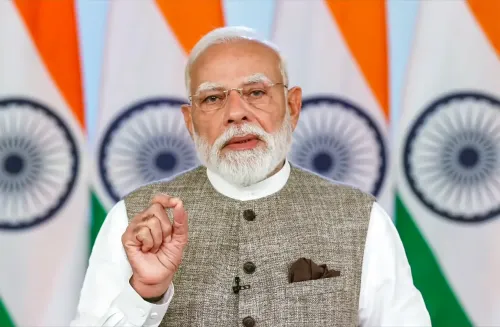
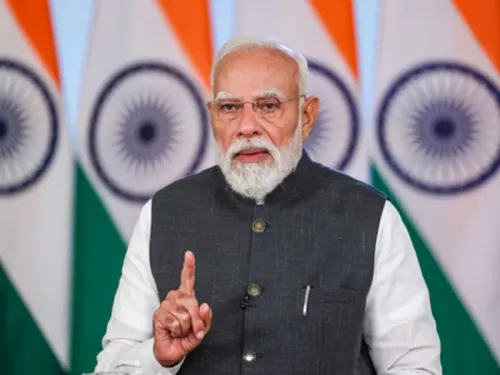
The resolutions came a day after Badal met PM Narendra Modi in New Delhi — their first meeting in five years — over Punjab's law and order situation.
Speculation is growing over a possible pre-poll SAD-BJP alliance ahead of Punjab assembly elections.
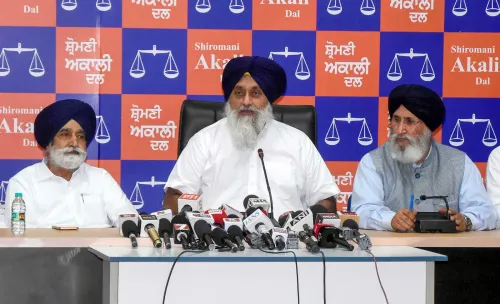
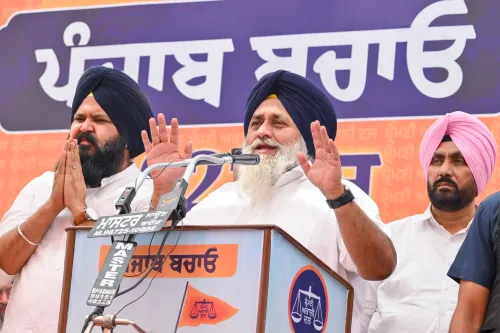
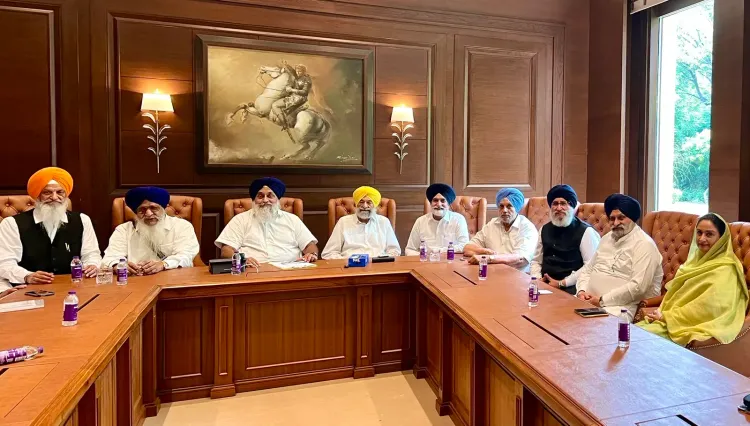
The Shiromani Akali Dal (SAD), led by party president Sukhbir Singh Badal, on Saturday, 8 August demanded the immediate implementation of the Women's Reservation Bill and threw its weight behind the Union government's proposal to increase parliamentary seats across all states by 50 per cent. The resolutions were adopted at a meeting of senior SAD leaders in Chandigarh, a day after Badal met Prime Minister Narendra Modi in New Delhi — their first face-to-face meeting in five years.
Key Decisions from the Chandigarh Meeting
The meeting, presided over by Badal, saw senior party leaders deliberate on two major issues before Parliament: women's political representation and delimitation. The SAD made its position unambiguous — it supports both the immediate passage of the Women's Reservation Bill and a delimitation exercise that ensures equitable representation for all states.
Senior leaders present at the meeting included Balwinder Singh Bhundar, Harsimrat Kaur Badal, Sikandar Singh Maluka, Maheshinder Singh Grewal, Gulzar Singh Ranike, Janmeja Singh Sekhon, Daljit Singh Cheema, and Hira Singh Gabhria.
What Badal Said on Women's Reservation
Invoking Sikh religious tradition, Badal said the Akali Dal drew its inspiration from the teachings of the Sikh Gurus, who had always championed the dignity and equal rights of women. He also pointed to the Shiromani Gurdwara Parbandhak Committee (SGPC) as an institutional precedent, noting that it had already provided for women's reservation within its own House.
The Delimitation Demand and Its Implications
On the seat-increase proposal, Badal stated that the SAD stood for a 'fair and equitable delimitation exercise' that guaranteed an equal increase in representation to all states. 'This will ensure justice is done to all states,' he said in a statement.
The Union government's proposal to raise each state's share of parliamentary seats by 50 per cent has drawn both support and scrutiny nationally, with southern states in particular wary of losing relative representation under any population-linked formula. The SAD's endorsement is notable as it frames the demand around equity across states rather than raw population numbers.
The Modi-Badal Meeting and Alliance Speculation
The political backdrop of these resolutions is significant. Badal called on PM Modi in New Delhi on Friday, 7 August — the first such meeting between the two leaders in five years — primarily to raise the deteriorating law and order situation in Punjab. 'Even PM heard all our concerns,' a senior Akali leader was quoted as saying.
With Punjab assembly elections approaching, speculation is rife over a possible pre-poll alliance between the SAD and the Bharatiya Janata Party (BJP), once two-decade-long coalition partners whose alliance collapsed in 2020 over the farm laws. The Chandigarh meeting and its policy pronouncements appear timed to signal the SAD's political relevance and ideological positioning ahead of any such talks.
What Comes Next
The SAD's formal endorsement of both the Women's Reservation Bill and the delimitation proposal puts pressure on Parliament to act, even as the timeline for the bill's implementation remains uncertain. Whether the renewed proximity between the SAD and the BJP translates into an electoral arrangement in Punjab will be closely watched in the weeks ahead.
Point of View
The morning after Badal's first Modi meeting in half a decade. The party is signalling ideological alignment with the BJP on two issues the ruling coalition has championed, without yet committing to a formal alliance. Whether this is genuine policy convergence or pre-negotiation positioning ahead of Punjab polls is the real question mainstream coverage is glossing over. The SAD's invocation of the SGPC precedent on women's reservation is clever politics: it grounds a national legislative demand in Sikh institutional identity, giving the party a culturally distinct voice on an issue where it would otherwise be one of many.
NationPress
22 Sept 2026
Frequently Asked Questions
What did the Shiromani Akali Dal demand on 8 August?
The SAD demanded the immediate passage of the Women's Reservation Bill and endorsed the Union government's proposal to increase parliamentary seats in all states by 50 per cent. Both resolutions were adopted at a senior leaders' meeting in Chandigarh, presided over by party chief Sukhbir Singh Badal.
Why did Sukhbir Badal meet PM Modi, and what was discussed?
Badal met PM Modi in New Delhi on 7 August — their first meeting in five years — primarily to raise the law and order situation in Punjab. A senior Akali leader confirmed that the Prime Minister heard out their concerns during the meeting.
What is the Union government's proposal on parliamentary seats?
The Union government has proposed increasing each state's share of parliamentary seats by 50 per cent as part of a broader delimitation exercise. The SAD has backed this proposal, stating it should ensure equal representation gains for all states.
Is an SAD-BJP alliance being formed ahead of Punjab elections?
Speculation is rife over a possible pre-poll alliance between the SAD and the BJP, who were coalition partners for nearly two decades before parting ways in 2020 over the farm laws. No formal announcement has been made, but Badal's meeting with Modi and the subsequent policy alignment have fuelled the speculation.
How does the SGPC factor into the SAD's women's reservation stance?
Badal cited the Shiromani Gurdwara Parbandhak Committee (SGPC) as an institutional example, noting it already provides for women's reservation within its own House. The SAD frames its support for the bill as rooted in Sikh Guru teachings on gender equality and dignity.