Akhilesh Yadav coins 'BJP 3C Inflation' to attack fuel price rise
Synopsis
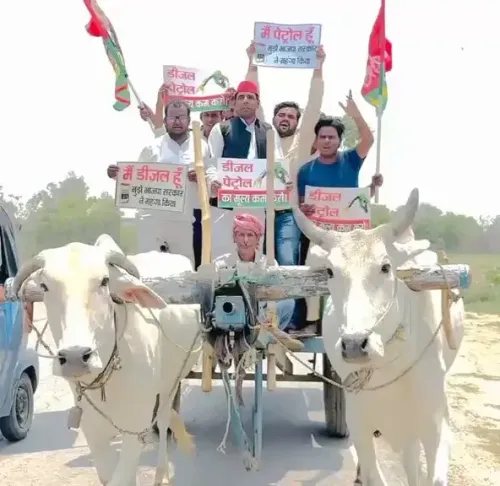
SP president Akhilesh Yadav on 23 May 2026 coined 'BJP 3C Inflation' — blaming commission, corruption and COVID mismanagement for a fresh round of fuel and commodity price increases, sarcastically telling BJP loyalists the inflation was their reward for unconditional support.
Key Takeaways
Akhilesh Yadav coined the term 'BJP 3C Inflation' on 23 May 2026 , defining it as commission, corruption and COVID-driven price rise.
He called the latest price increase a 'third dose of inflation' , using vaccine-booster language to signal a recurring pattern.
Yadav specifically addressed BJP supporters , saying those who back the party regardless of prices deserve to bear those prices alone.
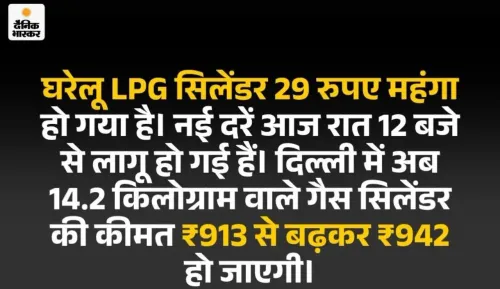
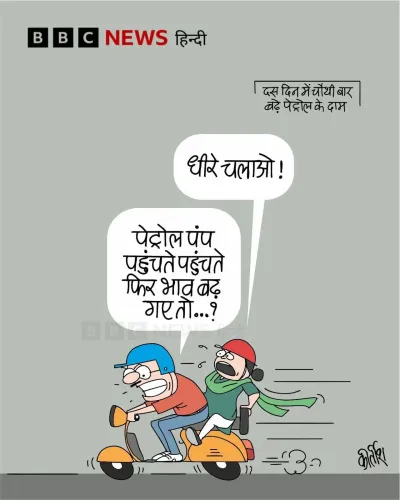
The post targets rising costs of petrol, diesel, cooking oil , and transport-linked goods that affect everyday household budgets.
The hashtag #BJP_3C_INFLATION signals an attempt to turn the inflation critique into a sustained, campaign-ready political brand.
A BJP response and potential parliamentary debate on inflation management are anticipated as follow-on developments.
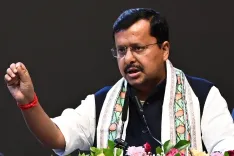
Samajwadi Party president Akhilesh Yadav launched a sharp attack on the ruling Bharatiya Janata Party on Saturday, 23 May 2026, coining the term 'BJP 3C Inflation' — which he defined as 'Bhajpai Commission-Corruption-Covid Mahangai' (BJP-driven commission, corruption and COVID-era price rise) — and declaring that ordinary citizens had received a 'third dose of inflation' that day.
Context
Yadav's post frames the latest round of price increases as a direct consequence of what he calls the BJP government's structural failures: unchecked middlemen commissions, corruption, and the economic damage inflicted during the COVID-19 pandemic. The metaphor of a 'third dose' deliberately echoes the language of vaccine booster shots, a reference that has become common in Indian political rhetoric when describing recurring economic shocks since 2021.
In a pointed aside, Yadav addressed BJP's own loyalists directly, saying — in translation — 'Those BJP supporters who say they will vote BJP no matter how high inflation goes: this inflation is their reward.' He went further, sarcastically suggesting the party should sell expensive petrol, diesel, cooking oil, and transport-linked goods exclusively to card-carrying BJP members, and spare the rest of the public.
Policy Backdrop
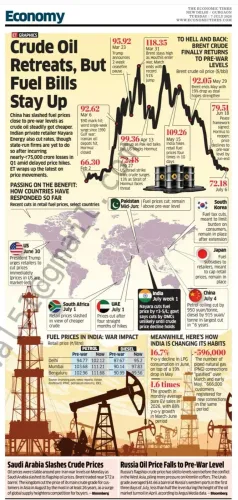
Petrol and diesel pricing in India was deregulated under the BJP government after 2014, linking retail fuel prices more directly to global crude movements and periodic government decisions. Opposition parties have consistently argued that the central government uses fuel taxation as a revenue tool rather than passing global price relief to consumers.
India experienced elevated retail inflation, particularly in food and fuel categories, during 2021–2023, driven by post-COVID supply chain disruptions and global commodity shocks. Yadav's 'third dose' framing suggests he is positioning any May 2026 price revision as a continuation of that unbroken inflationary trend rather than an isolated event.
Stakeholders and Impact
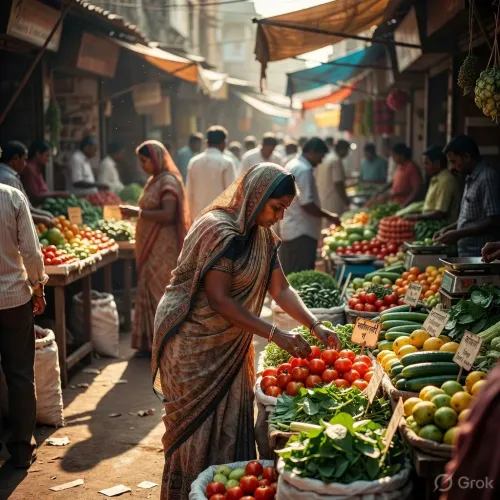
The sharpest impact of fuel price increases falls on low-income households and daily commuters, for whom transport costs represent a significant share of monthly expenditure. Rising diesel prices also feed through to the cost of freight, pushing up prices of vegetables, pulses, and other essentials — a transmission mechanism Yadav explicitly invoked in his post.
Uttar Pradesh, India's most populous state and Yadav's primary political base, has a large proportion of daily-wage workers and small farmers who are acutely sensitive to fuel and food inflation. By framing the issue in national terms while speaking to a predominantly UP audience, Yadav is connecting local economic grievance to central government accountability ahead of future electoral cycles.
What's Next
A counter-statement from BJP spokespersons is widely expected, likely pointing to global crude price volatility or citing welfare schemes as offsets to inflation. Parliamentary debates on price rise and any forthcoming Reserve Bank of India monetary policy commentary on inflation management will determine whether this exchange remains a social-media skirmish or escalates into a sustained legislative confrontation.
For the Samajwadi Party, the hashtag #BJP_3C_INFLATION signals an attempt to brand and sustain the inflation narrative as a campaign-ready slogan — a tactic that will be tested by how long fuel prices remain elevated and whether other opposition parties adopt the framing.
Point of View
Taxation policy, and post-pandemic price stickiness — into a single, memorable opposition slogan ahead of future electoral cycles. The sarcastic appeal to BJP loyalists is a classic wedge tactic: it simultaneously mocks unconditional partisanship and signals to undecided voters that inflation is a consequence of ideological loyalty over economic interest. By invoking COVID-era disruption alongside present-day prices, Yadav is constructing a continuity narrative that makes each price revision feel like part of one unbroken failure rather than a discrete event. Whether the hashtag gains traction will depend on whether other opposition voices amplify it and whether fuel prices remain elevated long enough to sustain public attention.
NationPress
16 Sept 2026
Frequently Asked Questions
What is 'BJP 3C Inflation' according to Akhilesh Yadav?
'BJP 3C Inflation' is a term coined by Samajwadi Party president Akhilesh Yadav on 23 May 2026 to describe what he calls the three drivers of price rise under the BJP government: commission (middlemen profiteering), corruption, and the economic damage caused by COVID-19.
Why did Akhilesh Yadav call rising prices a 'third dose of inflation'?
Yadav used the 'third dose' metaphor — echoing COVID-19 booster shot language — to argue that ordinary citizens have now experienced a third round of inflation under the BJP, framing repeated price increases as a recurring government failure rather than a one-time event.
What goods did Akhilesh Yadav mention as becoming more expensive?
Yadav specifically cited petrol, diesel, cooking oil, and goods whose prices rise due to increased transport costs as the main commodities burdening common citizens in his 23 May 2026 post.
How has the BJP government's fuel pricing policy been criticised?
After petrol and diesel pricing was deregulated post-2014, opposition parties have argued that the central government uses high fuel taxes as a revenue tool and does not pass on global price relief to consumers, contributing to sustained cost-of-living pressure.
What is the Samajwadi Party's political strategy behind the inflation attack on BJP?
By launching a branded hashtag and a direct address to BJP loyalists, the Samajwadi Party is attempting to convert economic discontent into a durable campaign narrative, particularly targeting voters in Uttar Pradesh who are sensitive to fuel and food price movements.