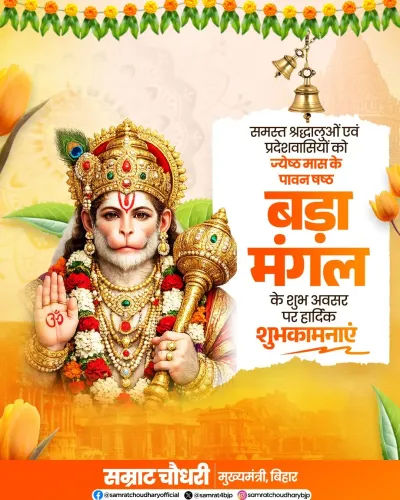
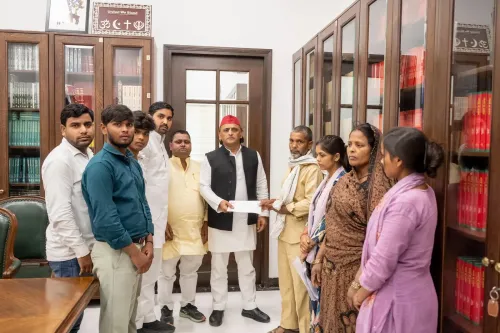
Akhilesh Yadav greets UP on seventh Bade Mangal
Synopsis
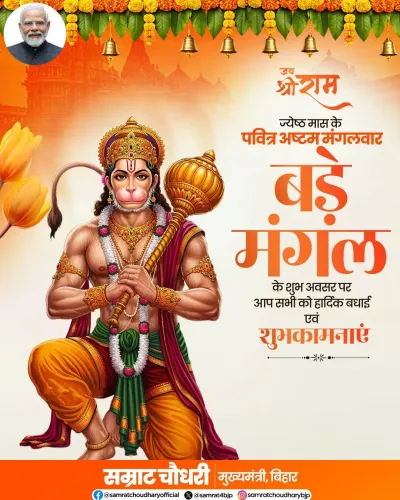
Samajwadi Party president Akhilesh Yadav greeted the public on the seventh Bade Mangal of the Jyeshtha month on June 16, 2026 — the concluding Tuesday of a devotional series widely observed across Uttar Pradesh with special Hanuman worship and community gatherings.
Key Takeaways
Akhilesh Yadav posted Bade Mangal greetings on Tuesday, June 16, 2026 , marking the seventh and final Bade Mangal of the Jyeshtha month .
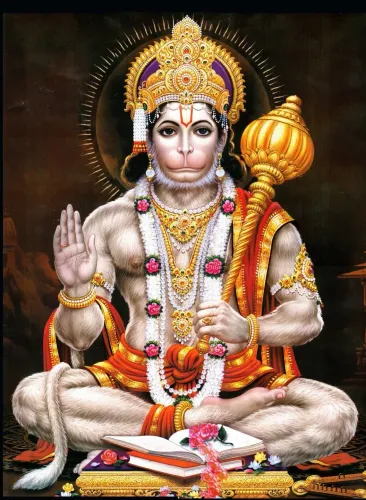
Bade Mangal refers to each Tuesday in the Hindu month of Jyeshtha, observed with special Lord Hanuman worship across Uttar Pradesh .
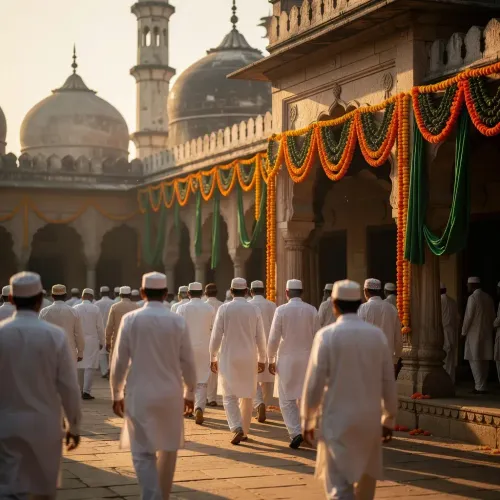
The observance is most prominent in Lucknow and surrounding areas, with large community gatherings and free food distribution ( bhandara ).
The Samajwadi Party has a consistent practice of issuing greetings across Hindu festivals as part of its broader cultural outreach strategy.
The messaging comes against the backdrop of the approaching 2027 Uttar Pradesh assembly elections , when cultural visibility carries electoral significance.
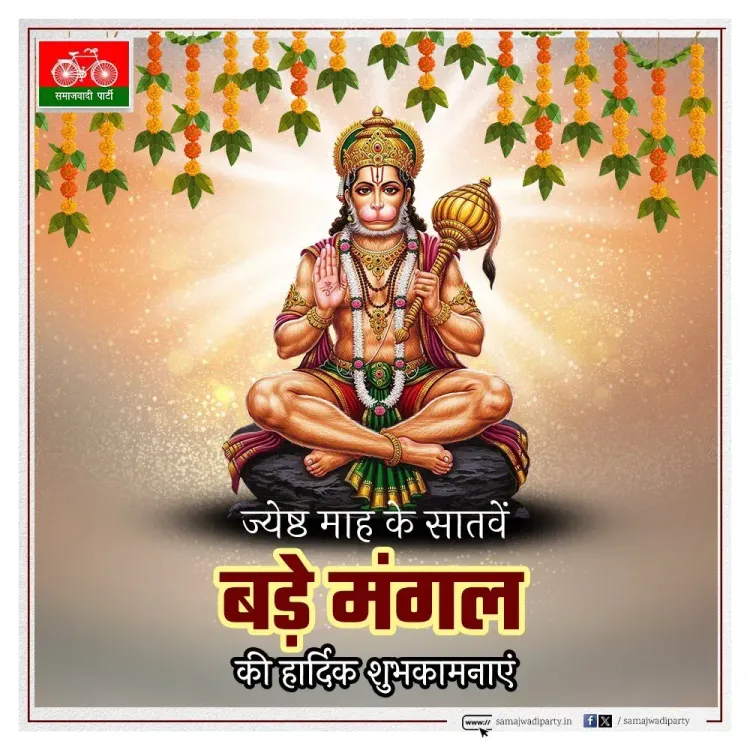
Samajwadi Party president Akhilesh Yadav extended greetings to the public on the occasion of the seventh Bade Mangal of the Jyeshtha month on Tuesday, June 16, 2026, marking one of the most widely observed devotional Tuesdays in Uttar Pradesh.
In his post on X, Yadav wrote: 'आप सभी को ज्येष्ठ माह के सातवें 'बड़े मंगल' की हार्दिक बधाई एवं मंगलकामनाएं' — translated as: 'Heartfelt congratulations and best wishes to all of you on the seventh 'Bade Mangal' of the Jyeshtha month.'
Context
Bade Mangal refers to each Tuesday falling within the Hindu lunar month of Jyeshtha (roughly May–June), a period marked by special worship of Lord Hanuman across Uttar Pradesh. The observance is particularly prominent in and around Lucknow, where large community gatherings, free food distribution (bhandara), and temple visits are customary.
The seventh Bade Mangal is the concluding Tuesday of the Jyeshtha series, often drawing the largest congregations of the season. Devotees across the state visit Hanuman temples, and local administrations in cities like Lucknow typically make special arrangements for crowd management and civic services.
Policy Backdrop
Public greetings on regional Hindu festivals have become a standard feature of political communication in Uttar Pradesh, where cultural visibility among voters carries electoral weight. Leaders across the political spectrum issue such messages to signal cultural proximity to the state's large Hindu devotional base.
The Samajwadi Party, whose core support rests among OBC communities — particularly Yadavs — and Muslim voters, has historically participated in such observances as part of a broader outreach strategy. Akhilesh Yadav has routinely issued greetings on festivals spanning multiple communities, positioning the party as inclusive in its cultural engagement.
Stakeholders and Impact
The message is directed at Uttar Pradesh's large devotional community that observes Bade Mangal with religious significance. For the Samajwadi Party, such greetings serve to reinforce the leadership's cultural connect with voters beyond the party's traditional base.
With the 2027 Uttar Pradesh assembly elections on the horizon, gestures of cultural participation by opposition leaders carry added political resonance, even when the messaging itself remains ceremonial and non-partisan in tone.
What's Next
The conclusion of the Jyeshtha Bade Mangal series marks the end of this year's cycle of the observance. Political observers will watch whether the Samajwadi Party follows up with ground-level engagement at temple events or community gatherings across Uttar Pradesh in the coming weeks.
As the state moves deeper into the pre-election period ahead of 2027, the frequency and tenor of cultural messaging from all major parties — including the Samajwadi Party — is expected to intensify as leaders seek to consolidate and expand their voter bases.
Point of View
Not confined to its Yadav-Muslim support base. With the 2027 Uttar Pradesh assembly elections approaching, even ceremonial messages serve as data points in a broader competition for cultural legitimacy. Rival parties, particularly the BJP, have made temple politics and Hindu festival visibility a central pillar of their UP strategy, making such outreach from the opposition increasingly important.
NationPress
15 Sept 2026
Frequently Asked Questions
What is Bade Mangal and why is it celebrated?
Bade Mangal refers to each Tuesday falling in the Hindu lunar month of Jyeshtha, observed with special prayers and offerings to Lord Hanuman. It is most widely celebrated in Uttar Pradesh, especially in Lucknow, with temple visits, community feasts called bhandara, and large public gatherings.
When is the seventh Bade Mangal in 2026?
The seventh Bade Mangal in 2026 fell on Tuesday, June 16, 2026, marking the final and concluding Bade Mangal of the Jyeshtha month series.
Why did Akhilesh Yadav post Bade Mangal greetings?
Akhilesh Yadav extended public greetings on the seventh Bade Mangal as part of the Samajwadi Party's consistent practice of acknowledging regional Hindu festivals, reflecting the party's cultural outreach strategy in Uttar Pradesh.
How many Bade Mangal are there in a year?
The number of Bade Mangal each year depends on how many Tuesdays fall within the Jyeshtha month of the Hindu lunar calendar. In 2026, there were seven such Tuesdays, making it a relatively long Jyeshtha season.
What is the significance of Bade Mangal in Lucknow?
Lucknow is considered the heartland of Bade Mangal celebrations in India, with massive community gatherings, free food distribution, and elaborate temple decorations. The city's administration typically makes special arrangements each Tuesday during Jyeshtha to manage the large number of devotees.