Akhilesh launches PDA Rath from Raebareli, eyes UP change
Synopsis
Samajwadi Party president Akhilesh Yadav launched the PDA Rath outreach campaign from Raebareli on 24 September 2026, targeting OBC, Dalit and minority voters with a social-justice message and a promise to restore prosperity to Uttar Pradesh.
Key Takeaways
Samajwadi Party president Akhilesh Yadav announced the launch of the PDA Rath campaign on 24 September 2026 .
The campaign kicked off from Raebareli , a politically significant district in Uttar Pradesh .
PDA stands for Pichhda (OBC), Dalit , and Alpsankhyak (minorities) — the three communities SP is mobilising as a coalition bloc.
The hashtag #जो_पीड़ित_वो_पीडीए frames the campaign as a platform for the aggrieved and marginalised.
SP has used the PDA formula since the 2022 UP assembly elections as its primary counter to BJP's electoral dominance.
The post promises 'change' and a 'prosperous UP again', signalling a direct anti-incumbency pitch.
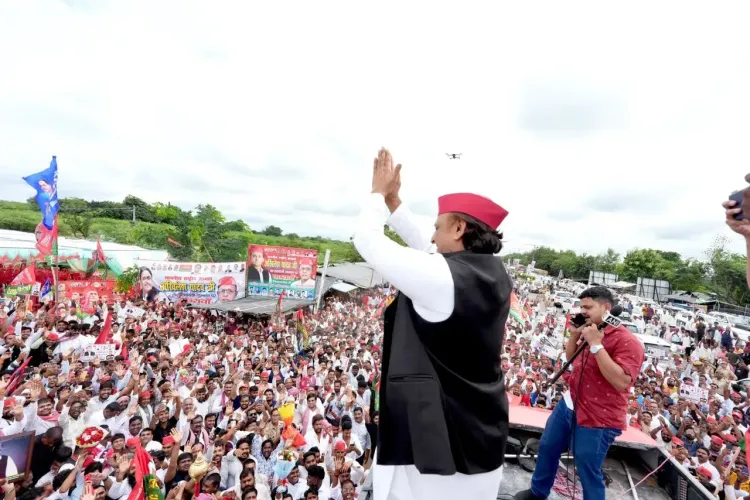
A political chariot is rolling through Uttar Pradesh — and Samajwadi Party president Akhilesh Yadav wants every backward-class, Dalit, and minority voter in the state to hear its wheels. On Thursday, 24 September 2026, Yadav announced the launch of the 'PDA Rath' (PDA Chariot) campaign, flagging off the outreach from Raebareli with a verse-styled post that doubles as a battle cry: 'पीडीए रथ का है आग़ाज़, संग है पीडीए की आवाज़' — 'The PDA chariot has begun, the voice of PDA rides with it.'
What PDA stands for — and what it is trying to do
PDA is Samajwadi Party's coalition shorthand for Pichhda (Other Backward Classes), Dalit, and Alpsankhyak (minorities) — the three vote blocs the party has been trying to weld into a durable electoral majority in Uttar Pradesh. Akhilesh first deployed the formula aggressively during the 2022 state assembly elections, framing it as a social-justice counter to the ruling BJP's Hindu consolidation strategy. The chariot format — a rath yatra — is a deliberately theatrical choice: in UP's political culture, a moving campaign vehicle signals statewide reach and grassroots contact.
The post's hashtags sharpen the ideological pitch: #प्रेम_दया_अपनापन ('love, compassion, belonging') reframes PDA as an emotional compact, while #जो_पीड़ित_वो_पीडीए ('whoever is suffering, they are PDA') and #पीड़ित_दुखी_अपमानित ('the suffering, the aggrieved, the humiliated') directly court anti-incumbency sentiment. The messaging is unmistakable: if you feel left behind by the current dispensation in Lucknow, this rath is coming for your vote.
Why Raebareli, why now
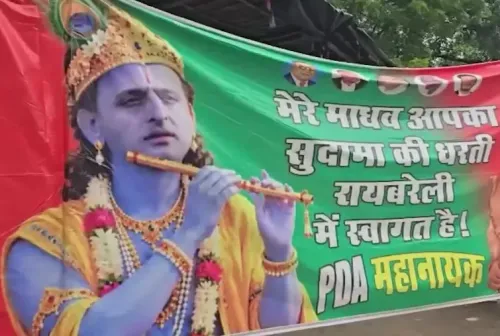
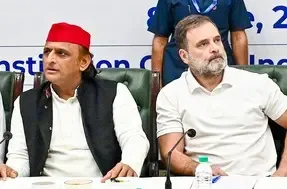
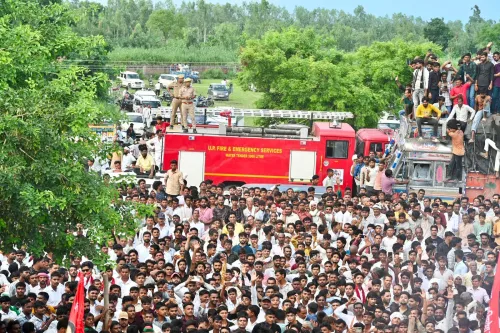
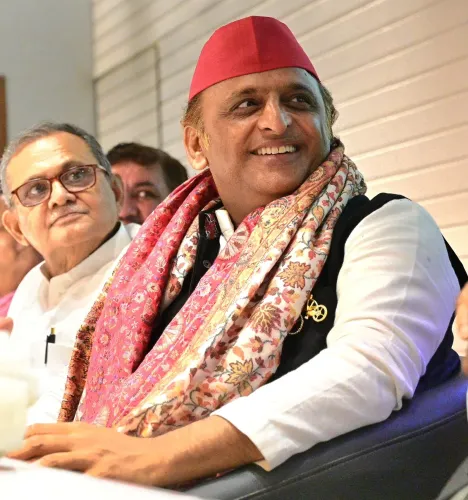
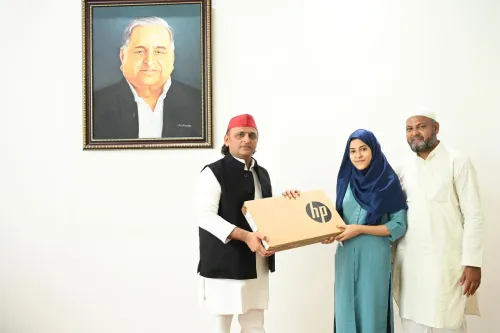
Raebareli is not a neutral starting point. The district carries decades of Congress legacy, yet it sits in a belt where OBC and Dalit populations are numerically decisive — precisely the communities the PDA Rath is designed to mobilise. Launching from here signals that the Samajwadi Party is fishing in waters historically associated with rival parties, a confident territorial statement. Yadav's post carries four images, suggesting an on-ground event rather than a purely digital announcement.
The timing matters too. Rath yatras across UP districts are classic pre-election tempo-setters — they build name recognition at the block level, let local leaders show footfall, and generate a drumbeat of constituency-level coverage weeks before formal campaign seasons open.
The coalition arithmetic Akhilesh is betting on
Put bluntly: OBCs, Dalits, and Muslims together account for a commanding share of Uttar Pradesh's electorate. The political premise of PDA is that if these groups vote as a bloc, they can overcome the BJP's upper-caste and Hindutva consolidation. The formula has shown promise in pockets but has yet to deliver a state-level majority for SP. What the PDA Rath adds is kinetic energy — street-level visibility that digital outreach alone cannot replicate.
Yadav closes his post with a promise: 'अब होने वाला है बदलाव, होगा यूपी फिर से ख़ुशहाल' — 'Change is now about to happen, UP will be prosperous again.' That word 'again' carries political weight: it positions the current government as the rupture and SP as the restoration.
The PDA Rath has left the station. The question UP's political map must now answer is how many districts it reaches — and how many voters choose to board.
Point of View
Historically a Congress stronghold, SP is telegraphing territorial ambition beyond its traditional base. The 'again' in Yadav's prosperity promise is a studied rhetorical move, casting incumbent governance as deviation and SP as continuity of a better past. Whether the rath's physical momentum translates into electoral numbers depends on how successfully the party converts street-level sentiment into polling-day discipline across a state of over 200 million people.
NationPress
24 Sept 2026
Frequently Asked Questions
What is the PDA Rath launched by Akhilesh Yadav?
The PDA Rath is a mobile campaign drive launched by Samajwadi Party president Akhilesh Yadav to reach OBC, Dalit and minority communities across Uttar Pradesh. It was announced on 24 September 2026 from Raebareli.
What does PDA stand for in Samajwadi Party politics?
PDA stands for Pichhda (Other Backward Classes), Dalit, and Alpsankhyak (minorities) — the social coalition Samajwadi Party is working to consolidate as an electoral bloc in Uttar Pradesh.
Why did Akhilesh Yadav start the PDA Rath from Raebareli?
Raebareli is a district with a large OBC and Dalit population, making it strategically important for PDA outreach. It also historically has ties to the Congress party, and SP's presence there signals broader territorial ambitions.
When did Samajwadi Party first use the PDA strategy?
Samajwadi Party deployed the PDA coalition formula prominently during the 2022 Uttar Pradesh assembly elections as a strategy to counter the BJP's dominance through OBC, Dalit and minority consolidation.
What is the significance of a rath yatra in UP elections?
A rath yatra — a chariot or vehicle-based campaign tour — is a traditional pre-election tactic in Uttar Pradesh used to build grassroots visibility, energise local party workers, and signal statewide reach across constituencies.