Akhilesh Yadav links NEET leak to BJP-ruled states
Synopsis
Samajwadi Party president Akhilesh Yadav alleged on 25 May 2026 that the NEET paper leak network exists specifically in BJP-governed states, using a Hindi couplet to frame the ruling party as the root cause of examination corruption affecting millions of medical aspirants.
Key Takeaways
Akhilesh Yadav posted on 25 May 2026 alleging NEET leaks are geographically concentrated in BJP-ruled states .
NEET is India's sole national medical entrance exam, conducted by the National Testing Agency since 2017 .
Approximately 20 lakh candidates appear for NEET annually, making any leak a high-stakes integrity crisis.
The post continues a pattern of opposition parties linking centralised exam failures to BJP governance.
Active CBI investigations and Supreme Court hearings on NEET irregularities remain the key legal forums.
Calls to restore state-level autonomy over medical admissions are likely to intensify if leak allegations are substantiated.
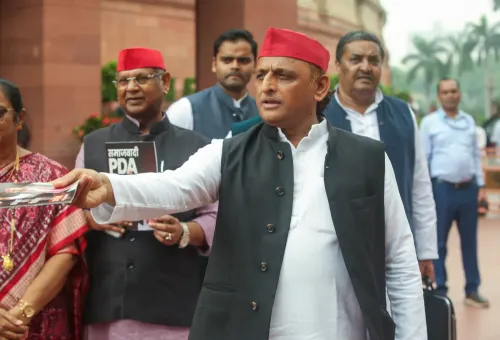
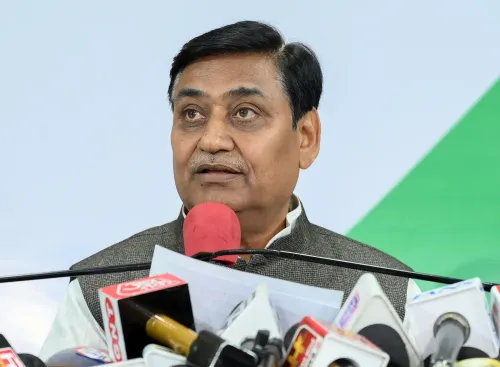
Samajwadi Party president Akhilesh Yadav on Sunday, 25 May 2026, alleged that the NEET paper leak network has spread specifically in states governed by the Bharatiya Janata Party, sharpening his attack on the ruling party over examination integrity.
In a pointed two-line post in Hindi, Yadav wrote: 'वहाँ-वहाँ ही क्यों फैला नीट लीक का जाल / जहाँ-जहाँ है महाभ्रष्टाचारी भाजपा सरकार' — loosely translated as: 'Why has the NEET leak network spread only in those very places where the 'most corrupt BJP government' exists?' The verse-like couplet is structured to draw a direct causal link between BJP governance and alleged exam malpractice.
Context
The National Eligibility cum Entrance Test (NEET) is India's single gateway examination for admission to MBBS and BDS programmes, conducted by the National Testing Agency (NTA) under the Ministry of Education. It replaced a patchwork of state-level and institution-level tests following a Supreme Court order in 2016, with the NTA formally constituted in 2017 to centralise major national entrance examinations.
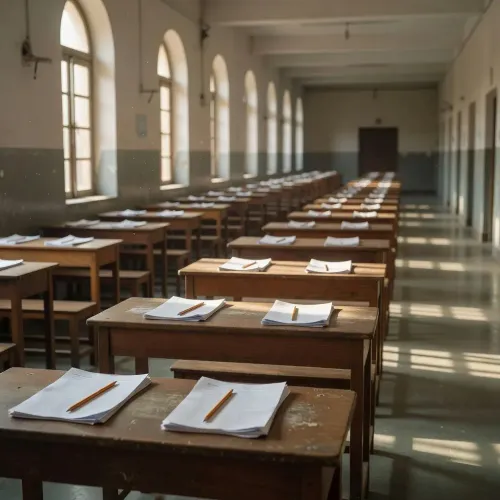
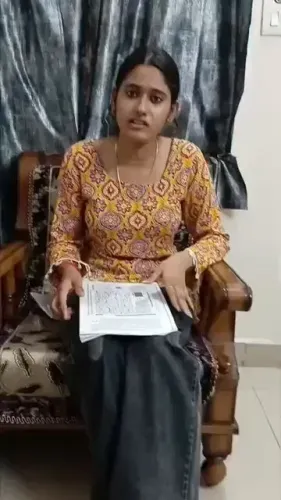
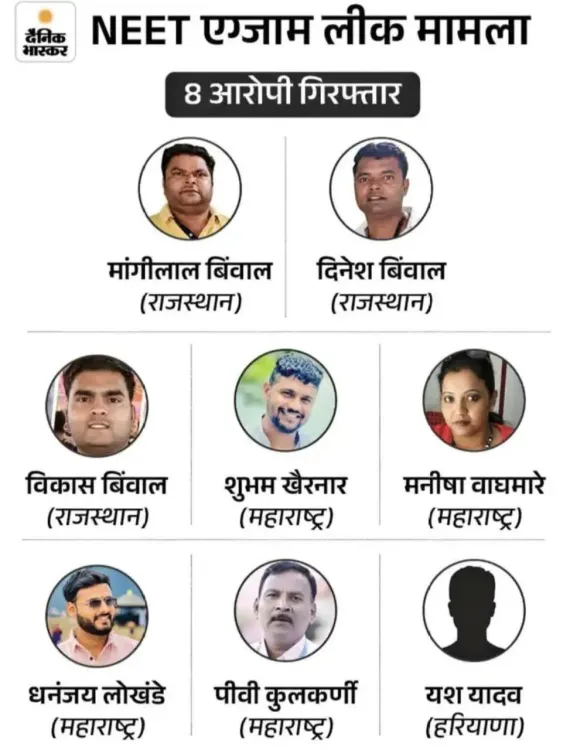
Allegations of paper leaks and irregularities in NEET have surfaced repeatedly since the exam's nationalisation, drawing scrutiny from courts, opposition parties, and student groups. Medical aspirants — often from modest economic backgrounds who invest years preparing for the single exam — are the most directly affected stakeholder group.
Policy Backdrop
The centralisation of medical admissions under NEET was intended to bring uniformity and reduce the influence of coaching cartels and state-level patronage networks. Critics, however, have argued that concentrating power in a single national body creates a larger target for organised malpractice, with any breach affecting hundreds of thousands of candidates simultaneously.
Opposition parties, including the Samajwadi Party, have consistently argued that the shift to national-level testing has not eliminated corruption but merely relocated it — and that states with stronger administrative accountability records fared better under the older, decentralised model. Yadav's post extends this argument by explicitly mapping alleged leak geography onto BJP electoral control.
Stakeholders and Impact
Roughly 20 lakh candidates appear for NEET each year, making it one of the most competitive examinations in the world. Any credible evidence of leaks directly undermines the legitimacy of merit-based selection for medical colleges and can result in re-examinations, legal battles, and delayed admissions affecting an entire cohort.
State education boards and private medical colleges also have a stake in the outcome: a compromised NEET process invites calls to restore state autonomy over admissions, a politically charged demand that several non-BJP state governments have made formally before the Supreme Court. Yadav's framing reinforces that demand by attributing the alleged failure to BJP-governed administrations specifically.
What's Next
Investigations by the Central Bureau of Investigation (CBI) and periodic Supreme Court hearings on NEET-related petitions are the key legal arenas to watch. Any fresh chargesheet, judicial directive, or government response on examination reform is likely to re-ignite political debate, with the opposition — led by voices like Yadav — ready to press the accountability argument.
Proposals for structural reform of the NTA and possible legislative amendments to the examination framework are expected to feature in coming parliamentary sessions. Whether the government moves to address systemic vulnerabilities or defends the existing architecture will shape the political narrative around education governance ahead of state assembly elections in several BJP-ruled states.
Point of View
He is advancing the broader opposition case that centralisation of examinations under a BJP-led Centre has created conditions for organised malpractice rather than eliminating it. This feeds directly into the political demand — already before the Supreme Court — for states to regain control over medical admissions. The post's timing and tone suggest the Samajwadi Party intends to sustain NEET as a campaign issue in upcoming state elections, where education governance resonates strongly with aspirational middle-class and OBC voter blocs that SP is courting.
NationPress
23 Sept 2026
Frequently Asked Questions
What is Akhilesh Yadav alleging about the NEET paper leak?
Akhilesh Yadav alleged that the NEET paper leak network has spread specifically in states governed by the BJP, implying a link between the party's administration and examination corruption.
What is NEET and who conducts it?
NEET, the National Eligibility cum Entrance Test, is India's single national entrance exam for MBBS and BDS admissions. It is conducted by the National Testing Agency, an autonomous body under the Ministry of Education, and was established as the sole medical entrance exam following a Supreme Court order in 2016.
Has NEET faced paper leak allegations before?
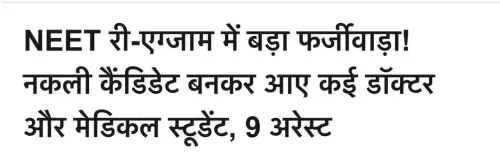
Yes. Allegations of irregularities and paper leaks in NEET have surfaced multiple times since the exam was nationalised, leading to CBI investigations and Supreme Court hearings on the integrity of the examination process.
What action can be taken if NEET leaks are proven?
If leaks are substantiated, outcomes can include cancellation and re-conduct of the exam, criminal prosecution of those involved, and broader structural reforms to the National Testing Agency, including possible legislative changes to the examination framework.
Why do opposition parties want states to control medical admissions?
Several non-BJP state governments argue that centralising admissions under NEET removes state accountability and concentrates vulnerability in a single national system. They contend that state-level exams allowed more localised oversight and that NEET's national scope makes any breach far more damaging to candidates.