Akhilesh Yadav Slams Police Action at Jauhar University

Synopsis
SP president Akhilesh Yadav on 24 July 2026 condemned an alleged police show of force at Jauhar University in Rampur, UP, saying officers who drew pistols forgot that education itself had secured them their jobs, and that universities have historically been destroyed by aggressors.
Key Takeaways
Akhilesh Yadav posted on 24 July 2026 criticising police conduct at Jauhar University, Rampur, UP .
He said personnel who drew pistols on campus owed their government jobs to their own uninterrupted education.
Yadav invoked the historical destruction of universities by 'aggressors' as a rhetorical parallel.
The post was accompanied by a video and tagged #जौहर_यूनिवर्सिटी_रामपुर_उप्र .
The Samajwadi Party has long positioned itself as a defender of higher-education access for backward and minority communities in UP.
A formal response from the Uttar Pradesh government and any inquiry into the incident are being awaited.
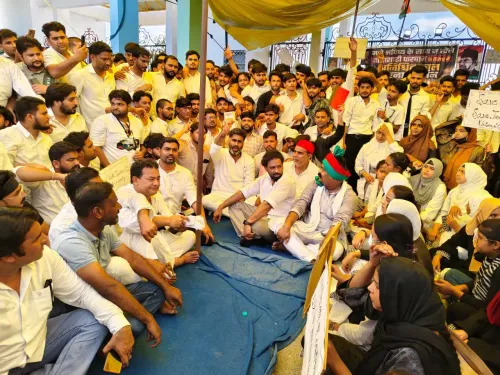
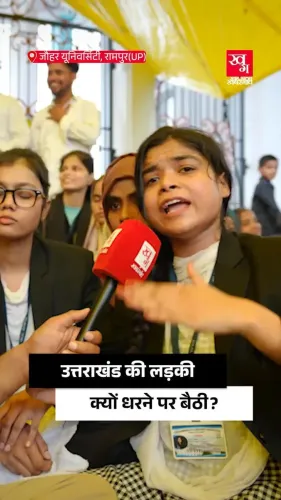
Samajwadi Party president Akhilesh Yadav on Friday, 24 July 2026, sharply criticised what he described as a police show of force at Jauhar University in Rampur, Uttar Pradesh, warning that those who drew pistols on campus had forgotten that their own education made their careers possible.
Context
Posting on X with the hashtag #जौहर_यूनिवर्सिटी_रामपुर_उप्र (Jauhar University Rampur UP), Yadav wrote in Hindi: 'पिस्तौल निकालनेवाले ये भूल गये कि अगर उनकी पढ़ाई बीच में रुक जाती, तो ये पुलिस की नौकरी इनके हाथ न आती' — translated: 'Those who drew pistols forgot that if their own education had been interrupted, they would never have got a police job.' The remark was accompanied by a video and directed at personnel who, the post implies, deployed weapons on or near the university premises.
Yadav then added a pointed historical reference: 'Universities have always been destroyed by aggressors — nothing more needs to be said.' The post did not name specific individuals or provide details of the alleged incident.
Policy Backdrop
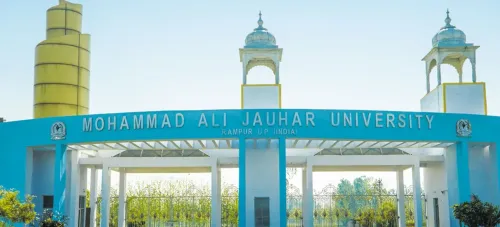
Jauhar University, located in Rampur district, is a private higher-education institution that has previously been at the centre of political and legal controversies in Uttar Pradesh. The university is closely associated with political figures from the region and has a significant student body drawn from backward and minority communities.
During the Samajwadi Party government of 2012–2017, the party expanded higher-education infrastructure across UP, positioning itself as a champion of university access for marginalised groups. Yadav has consistently invoked education rights as a political touchstone, making the Jauhar University episode a natural flashpoint for SP commentary.
Opposition figures in UP have routinely highlighted alleged disruptions at educational campuses as part of broader critiques of the state government's law-and-order approach. References to the historical destruction of centres of learning — from Nalanda to colonial-era institutions — are a recurring rhetorical device in Indian political discourse on institutional autonomy.
Stakeholders and Impact
Students enrolled at Jauhar University are the most directly affected stakeholders, with any disruption to campus life potentially interrupting academic calendars and examinations. Faculty and administrative staff also face uncertainty when law-enforcement action coincides with regular university functioning.
For Uttar Pradesh Police, the post puts personnel under public scrutiny at a time when the force's conduct at educational institutions is already a politically sensitive subject. The irony Yadav highlights — that education enabled the very careers now being used to threaten it — is designed to resonate with first-generation learners and government-job aspirants across the state.
Broader civil-society groups concerned with campus autonomy and minority-community access to higher education are likely to amplify the SP president's remarks in the coming days.
What's Next
Attention will now turn to whether the Uttar Pradesh government issues a formal response or orders an inquiry into the reported incident at Jauhar University. Student and faculty bodies at the university may also demand clarification on the nature of the police presence.
With UP politics already charged ahead of local-body cycles, Yadav's intervention is expected to keep the Jauhar University episode in public debate. Any formal statement from the state administration or a court intervention could determine whether the controversy escalates or subsides.
Point of View
He reframes what might otherwise be a narrow campus incident into a broader argument about who the state protects and who it threatens. The historical allusion to aggressors destroying universities allows him to cast the current UP administration in a long arc of institutional harm without naming it directly. This rhetorical pattern — personalising policy failure through lived experience — has been a consistent and effective tool for the SP in mobilising first-generation learners and minority voters ahead of electoral contests.
NationPress
24 Jul 2026
Frequently Asked Questions
What did Akhilesh Yadav say about Jauhar University?
Akhilesh Yadav said that police personnel who drew pistols at Jauhar University forgot that if their own education had been cut short, they would never have secured a police job. He also said universities have always been destroyed by aggressors.
Where is Jauhar University located?
Jauhar University is located in Rampur district of Uttar Pradesh, India.
Why is Jauhar University in the news in July 2026?
Jauhar University came into focus after SP president Akhilesh Yadav posted a video on X on 24 July 2026 criticising what he described as a police show of force at the campus, sparking a political controversy.
What is the Samajwadi Party's stance on education in UP?
The Samajwadi Party has consistently positioned itself as a champion of higher-education access for backward and minority communities, a stance reinforced during its government in Uttar Pradesh from 2012 to 2017.
Has the Uttar Pradesh government responded to Akhilesh Yadav's post on Jauhar University?
As of the time of this report, no formal response from the Uttar Pradesh government has been issued regarding the incident at Jauhar University flagged by Akhilesh Yadav.