Ahmedabad Diwali waste: AMC collects 19,500+ tonnes in four days
Synopsis
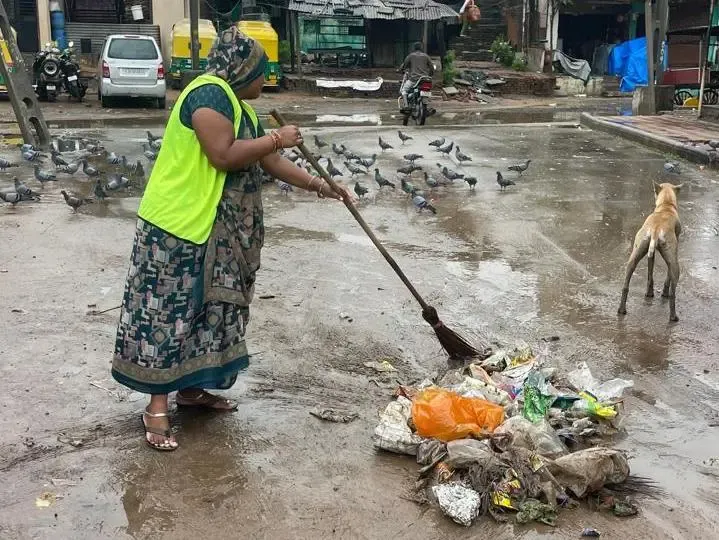
Ahmedabad's civic body collected over 19,500 metric tonnes of Diwali waste in just four days — a 50% jump from last year — deploying over 12,000 workers and 150 specialised teams. The numbers put a spotlight on the hidden scale of festive waste management and the unsung workforce that keeps India's cities clean through the celebrations.
Key Takeaways
The Ahmedabad Municipal Corporation (AMC) collected over 19,500 metric tonnes of waste between Dhanteras and Bhai Beej during Diwali 2026 .
This marks a ~50% rise over the 12,980 metric tonnes collected during the same festive window last year.
Peak collection day was Diwali at 5,312 metric tonnes , followed by the Gujarati New Year at 5,160 metric tonnes .
More than 9,500 permanent sanitation workers and over 2,500 RWA-linked workers were deployed city-wide.
Over 2,000 workers conducted special night-time cleaning operations ; more than 150 dedicated teams handled litter picking and firecracker debris removal.
The Ahmedabad Municipal Corporation (AMC) collected and disposed of more than 19,500 metric tonnes of waste between Dhanteras and Bhai Beej during the Diwali 2026 festive period — a sharp 50% jump over the 12,980 metric tonnes recorded during the same period last year. The city's Solid Waste Management Department mobilised thousands of sanitation workers and specialised machinery to manage the surge in garbage generated by celebrations across Ahmedabad.
Day-by-Day Waste Figures
The AMC recorded the highest single-day waste collection on Diwali itself, with 5,312 metric tonnes gathered across the city. The Gujarati New Year followed closely with 5,160 metric tonnes, the day after the New Year saw 4,583 metric tonnes, and Bhai Beej accounted for 4,445 metric tonnes. The cumulative total exceeded 19,500 metric tonnes, confirming the scale of the festive waste challenge.
Scale of Deployment
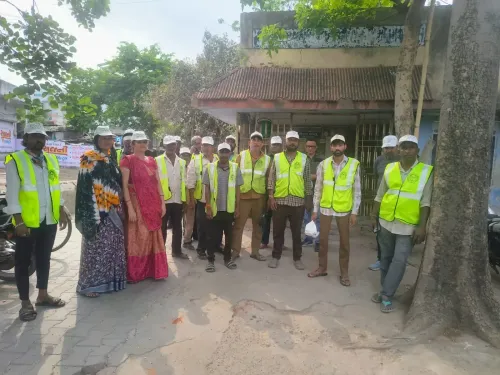
To handle the elevated workload, the AMC deployed more than 9,500 permanent sanitation workers alongside over 2,500 workers associated with Resident Welfare Associations (RWAs). Additionally, more than 2,000 sanitation workers were assigned exclusively to special night-time cleaning operations, ensuring roads were cleared before the following morning. The civic body also formed over 150 dedicated teams for litter picking and the removal of firecracker debris from different parts of the city.
Operations and Machinery
The AMC deployed modern cleaning machinery and specialised waste-collection vehicles to clear major roads, public spaces, and residential areas. Night operations were coordinated to minimise disruption and restore normalcy by dawn each day. The sanitation workforce continued without breaks throughout the festive period, including on public holidays. Waste collected included firecracker remnants, packaging material, and general garbage that accumulated on roads and around residential societies.
Context and Significance
The year-on-year increase — from 12,980 metric tonnes in the previous year to over 19,500 metric tonnes in 2026 — underscores the growing strain that large-scale urban festivals place on civic infrastructure. This comes amid broader national conversations around sustainable celebrations, air-quality impacts of firecrackers, and the often-overlooked contribution of sanitation workers during festive periods. Notably, the AMC's ability to clear the volume within four days reflects significant logistical scaling, though the sharp rise in waste generation will likely inform future planning for festival-period solid waste management.
Point of View
000 workers is commendable, but the real question is whether the city is simultaneously investing in source-segregation, composter networks, and waste-reduction awareness that could flatten this curve before the next festive cycle. Scaling deployment is a reactive fix; without structural demand-side measures, Ahmedabad — and cities like it — will face an ever-growing post-festival clearance burden. The sanitation workforce's round-the-clock effort during public holidays also deserves formal recognition, not just an administrative footnote.
NationPress
12 Nov 2026
Frequently Asked Questions
How much waste did Ahmedabad collect during Diwali 2026?
The Ahmedabad Municipal Corporation collected over 19,500 metric tonnes of waste between Dhanteras and Bhai Beej during Diwali 2026. This was approximately 50% more than the 12,980 metric tonnes collected during the same period in the previous year.
Which day saw the highest waste collection during the Diwali period?
Diwali itself recorded the highest single-day collection at 5,312 metric tonnes. The Gujarati New Year followed with 5,160 metric tonnes, the day after with 4,583 metric tonnes, and Bhai Beej with 4,445 metric tonnes.
How many workers did the AMC deploy for Diwali waste management?
The AMC deployed more than 9,500 permanent sanitation workers and over 2,500 workers associated with Resident Welfare Associations, plus more than 2,000 additional workers for night-time cleaning operations. Over 150 dedicated teams focused on litter picking and firecracker debris removal.
Why was there such a large increase in waste generation compared to last year?
The AMC has not publicly attributed the rise to a single factor, but the increase — from 12,980 to over 19,500 metric tonnes — reflects growing urban consumption and celebration activity during the festive period. Greater firecracker use and increased residential gatherings are among the typical contributors to post-festival waste surges.
What type of waste was collected during the Diwali festive period?
The waste collected included firecracker remnants, packaging material, and general garbage that accumulated on roads, public spaces, and around residential societies. Modern cleaning machinery and specialised waste-collection vehicles were used to clear major roads and residential areas.