Bhopal garbage crisis: 15,000 civic workers on strike as Diwali begins
Synopsis
On Dhanteras, Bhopal's streets are choking on uncleared garbage as 15,000 of the city's 18,000 civic workers strike indefinitely over pay and regularisation demands. With the Water Works Department now threatening to cut supply to 2.30 lakh households, what began as a sanitation dispute risks becoming a full-blown civic emergency during one of India's busiest festival periods.
Key Takeaways
Around 15,000 of Bhopal Municipal Corporation's nearly 18,000 employees are on an indefinite strike as of Friday, 6 November 2026 .
Garbage collection has been disrupted for the second consecutive day , with the city generating nearly 1,000 tonnes of waste daily during the Diwali period.
Water Works Department employees have threatened to halt supply, potentially affecting over 2.30 lakh tap connections .
Workers are demanding a minimum monthly honorarium of ₹25,000 , service regularisation, and government employee status.
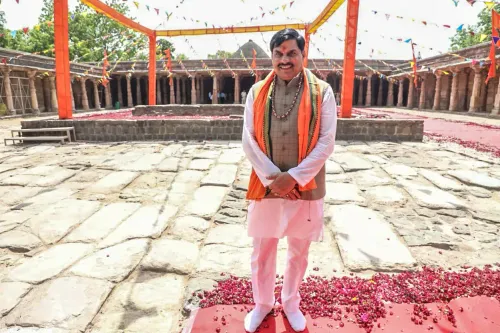
Union leaders are refusing to end the strike without a direct meeting with Chief Minister Mohan Yadav and a concrete decision on demands.
The strike has spread beyond sanitation to water supply, fire services, electricity, and other departments across 21 zones and 85 wards .
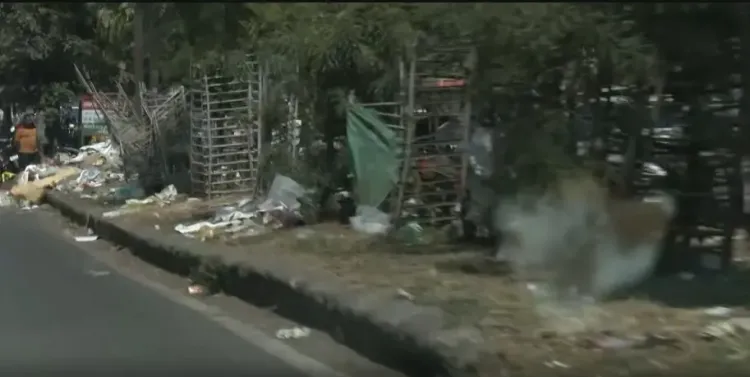
Bhopal is reeling under a mounting sanitation crisis on Dhanteras, the opening day of Diwali festivities, after around 15,000 Municipal Corporation employees entered an indefinite strike, leaving waste piled up across roads, markets, and residential colonies in the Madhya Pradesh state capital. Garbage collection has been disrupted for the second consecutive day as of Friday, 6 November 2026.
Scale of the Disruption
Residents across multiple colonies said they had been waiting for municipal garbage collection vehicles for nearly a week. With no collection vehicles arriving, waste has accumulated outside homes and on public roads. In some localities, residents have reportedly started burning garbage to clear their surroundings — raising additional health and air-quality concerns during the festive season.
Bhopal generates approximately 850 tonnes of garbage every day, a figure that swells to nearly 1,000 tonnes during the Diwali period. The Municipal Corporation has been unable to maintain even routine waste collection amid the ongoing agitation. Overflowing dustbins and scattered waste have been reported across several parts of the city, adding to the inconvenience of residents who had cleaned their homes ahead of the festival.
Who Is Striking and Why
The strike, which began with sanitation workers, has since spread to employees across multiple departments — including water supply, fire services, computer operations, electricity, building permissions, gardens, and encroachment removal. Out of the corporation's nearly 18,000 total employees, around 15,000 have joined the agitation. This includes approximately 14,000 daily-wage workers and 1,000 outsourced employees operating across 21 zones and 85 wards.
The workers are demanding a minimum monthly honorarium of ₹25,000, salary revision, regularisation of services, government employee status, abolition of the contractual system, and compassionate appointments for dependants of deceased employees.
Threat to Drinking Water Supply
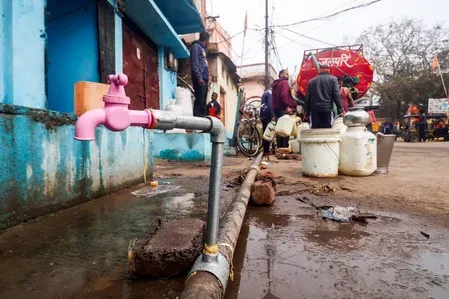
The most critical concern as of Friday is the threatened disruption of Bhopal's drinking water supply. Employees of the Water Works Department have warned they will halt water supply operations, potentially affecting more than 2.30 lakh tap connections across the city — a development that could significantly worsen conditions for residents during the festival period.
On Thursday, striking workers escalated their agitation by disconnecting the electricity supply to the Municipal Corporation headquarters, Atal Bhavan, and locking its main gate. Union leaders have also threatened a complete shutdown of corporation operations if their demands are not met.
What Officials Said
Municipal Corporation Chairman Kishan Suryavanshi appealed to workers to suspend the strike during the festive season. 'Everyone across the country respects Swachhata Mitras. Prime Minister Narendra Modi himself washed their feet. A proper decision on their demands will also be taken after deliberation,' he said.
Municipal Commissioner Ram Prakash Ahirwar said discussions between the Additional Chief Secretary of the Urban Administration Department and union representatives had been 'meaningful.' However, union leaders have refused to call off the strike without a concrete decision on their demands and are seeking a direct meeting with Chief Minister Mohan Yadav. The strike has also begun affecting sanitation services in other urban local bodies across Madhya Pradesh.
Wider Impact
This is not an isolated civic dispute — the strike mirrors a pattern seen in several Indian cities where contractual and daily-wage municipal workers, despite being the backbone of urban sanitation, remain outside the formal government employee framework. The timing, coinciding with Diwali when waste generation peaks and public spaces require extra upkeep, has amplified the pressure on civic authorities. Talks are ongoing, but with no concrete resolution in sight, residents of Bhopal face an uncertain festival weekend.
Point of View
Without the job security or pay that the work demands. Timing this confrontation over Diwali, when waste volumes spike and public tolerance for civic failure is lowest, is leverage the unions understand well. The corporation's chairman invoking Prime Minister Modi washing the feet of Swachhata Mitras is a telling deflection: symbolism cannot substitute for a wage structure. If the Water Works Department follows through on its threat, this moves from inconvenience to public health emergency, and the pressure on Chief Minister Mohan Yadav to personally intervene will become unavoidable.
NationPress
6 Nov 2026
Frequently Asked Questions
Why are Bhopal Municipal Corporation workers on strike?
Around 15,000 Bhopal Municipal Corporation employees are on an indefinite strike demanding a minimum monthly honorarium of ₹25,000, salary revision, regularisation of services, government employee status, abolition of the contractual system, and compassionate appointments. The strike began with sanitation workers and has spread to multiple departments including water supply and fire services.
How is the Bhopal garbage strike affecting residents?
Garbage collection has been suspended for the second consecutive day, with waste piling up on roads, markets, and outside homes across the city. Residents who cleaned their houses ahead of Diwali are unable to dispose of household waste, and some localities have reportedly resorted to burning garbage. Bhopal generates up to 1,000 tonnes of waste daily during the Diwali period.
Is Bhopal's drinking water supply at risk due to the strike?
Yes. Water Works Department employees have threatened to halt water supply operations, which would affect more than 2.30 lakh tap connections across Bhopal. As of Friday, 6 November 2026, the threat had not been carried out, but it remains a critical concern.
What have Bhopal civic authorities said about the strike?
Municipal Corporation Chairman Kishan Suryavanshi has appealed to workers to suspend the strike during the festive season, saying their demands will be deliberated upon. Municipal Commissioner Ram Prakash Ahirwar said talks with the Additional Chief Secretary of the Urban Administration Department have been 'meaningful,' but union leaders are refusing to end the strike without a direct meeting with Chief Minister Mohan Yadav and a concrete decision on their demands.
How widespread is the Bhopal municipal strike?
The strike covers approximately 15,000 of the corporation's nearly 18,000 employees, including around 14,000 daily-wage workers and 1,000 outsourced staff across 21 zones and 85 wards. It has also spread to other urban local bodies across Madhya Pradesh beyond Bhopal.