Ahmedabad's 18,000 sanitation workers manage 5,000 MT of waste daily, AMC details welfare push
Synopsis
Behind Ahmedabad's clean streets is a 18,000-strong workforce managing 5,000 metric tonnes of waste every single day. Ahead of International Labour Day, the AMC has laid out a detailed welfare architecture — from housing and pensions to weekly 'Safai Hero' awards — offering a rare institutional look at how India's cities sustain their sanitation backbone.
Key Takeaways
AMC employs more than 18,000 sanitation workers who manage over 5,000 metric tonnes of daily waste in Ahmedabad .
The workforce includes 13,000+ permanent workers and around 5,000 RWA-engaged workers , supported by 2,500+ vehicles .
Mandatory health check-ups are conducted every three months ; free treatment is available at municipal health facilities.
Around 2,200 housing units have been allocated to sanitation workers under civic housing schemes.
Workers are recognised weekly through the 'Best Safai Heroes' programme, with names displayed at ward offices.
During Covid-19 , sanitation workers were classified as frontline workers and given PPE kits, vaccination, and insurance.
The Ahmedabad Municipal Corporation (AMC) on 30 April 2025 detailed the scale of its sanitation operations ahead of International Labour Day on 1 May, revealing that more than 18,000 sanitation workers collectively manage over 5,000 metric tonnes of waste generated across the city every day. The disclosure underscores the logistical backbone behind one of India's largest civic sanitation systems.
Scale of the Workforce
The AMC's sanitation workforce comprises more than 13,000 permanent sanitation workers and approximately 5,000 workers engaged through Resident Welfare Associations (RWAs). Supporting this human force are more than 2,500 vehicles deployed for waste collection and related operations across Ahmedabad.
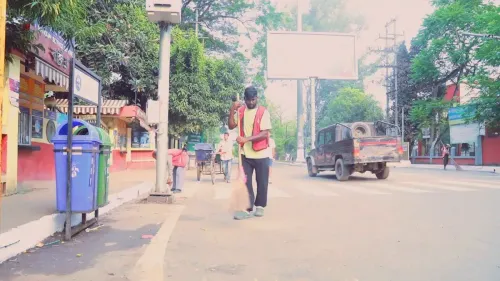
Operations run round the clock, covering Town Planning Scheme roads, main roads, iconic stretches, residential localities, pol areas, and rural-urban fringe zones. The system includes daytime beat cleaning, afternoon group cleaning, and night-time operations in high-footfall areas such as markets and public spaces. Door-to-door waste collection from households and commercial establishments, along with collection of ritual waste, is also part of the routine.
Worker Safety and Health Provisions
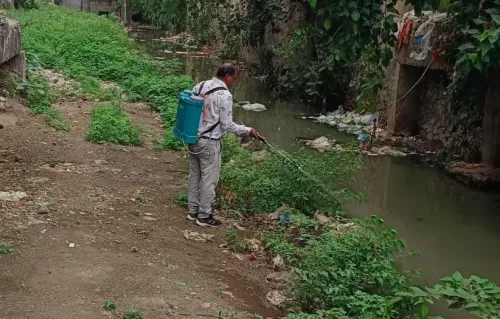
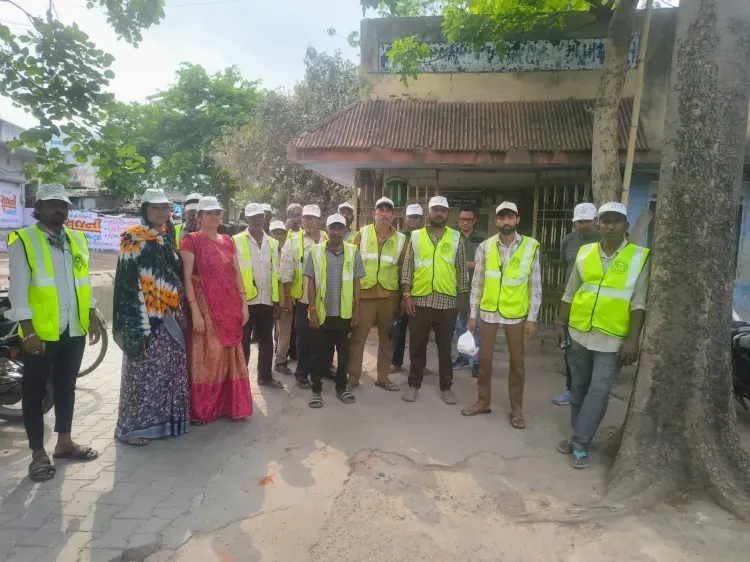
The corporation said sanitation workers are equipped with protective gear including masks, gloves, gumboots, uniforms, and reflector jackets. Mandatory medical check-ups are conducted every three months for sanitation staff and associated workers, with free treatment available at community health centres, urban health centres, and municipal hospitals.
The AMC acknowledged that sanitation work carries occupational risks including exposure to infectious and respiratory diseases, physical injuries, road accidents, and environmental hazards. To address these, safety protocols and training programmes under the Swachh Bharat Mission have been implemented to improve operational safety and skill development.
Welfare Benefits and Social Support
Permanent sanitation workers receive benefits equivalent to Class-4 municipal employees and are covered under group insurance schemes. The corporation has also extended provident fund and pension support, along with counselling services and opportunities for cultural and sports activities.
In a significant social welfare measure, around 2,200 housing units have been allocated to sanitation workers under civic housing schemes. During the Covid-19 pandemic, sanitation workers were officially classified as frontline workers and were provided vaccination, personal protective equipment kits, sanitation facilities, and insurance coverage.
Recognition and Citizen Responsibility
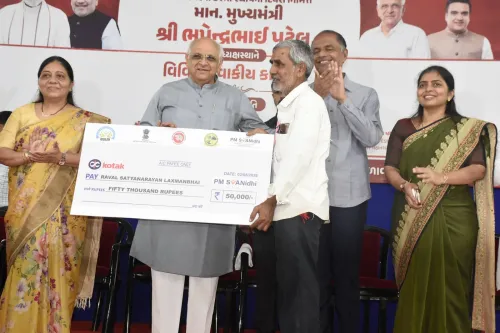
As part of its recognition framework, the AMC selects 'Best Safai Heroes' every week, with their details displayed at ward offices and workers from different zones acknowledged for their performance. This comes amid growing civic awareness campaigns urging citizens to support sanitation operations through proper waste segregation at source.
The corporation has urged residents that
Point of View
Pensions, insurance, health check-ups — is more comprehensive than most Indian cities offer, the 5,000-metric-tonne daily waste figure points to a consumption and disposal challenge that welfare schemes alone cannot solve. The 'Safai Hero' recognition model is a positive nudge, but the structural question remains: are sanitation workers still among the most economically and socially marginalised municipal employees despite these provisions? India's urban sanitation workforce deserves scrutiny not just on Labour Day, but in every municipal budget cycle.
NationPress
15 Sept 2026
Frequently Asked Questions
How many sanitation workers does the Ahmedabad Municipal Corporation employ?
The AMC has more than 18,000 sanitation workers in total — over 13,000 permanent workers and around 5,000 engaged through Resident Welfare Associations. Together, they manage over 5,000 metric tonnes of waste generated in Ahmedabad every day.
What welfare benefits do AMC sanitation workers receive?
Permanent sanitation workers receive benefits equivalent to Class-4 municipal employees, including group insurance, provident fund, pension support, and free medical treatment at municipal health centres. Around 2,200 housing units have also been allocated to sanitation workers under civic housing schemes.
What is the 'Best Safai Heroes' programme run by the AMC?
It is a weekly recognition initiative by the Ahmedabad Municipal Corporation that selects outstanding sanitation workers, displays their details at ward offices, and acknowledges workers from different zones for their performance. The programme is part of the AMC's broader effort to improve worker morale and visibility.
How does the AMC manage sanitation operations across Ahmedabad?
Operations run round the clock across Town Planning Scheme roads, main roads, residential areas, pol areas, and rural-urban fringe zones. The system includes daytime beat cleaning, afternoon group cleaning, night-time operations in high-footfall areas, and door-to-door waste collection from households and commercial establishments.
How were Ahmedabad sanitation workers treated during the Covid-19 pandemic?
During the Covid-19 pandemic, AMC sanitation workers were officially classified as frontline workers and were provided with vaccination, personal protective equipment kits, sanitation facilities, and insurance coverage by the corporation.