Amit Shah: Cabinet clears ₹1,86,405 cr PM-DHARA scheme
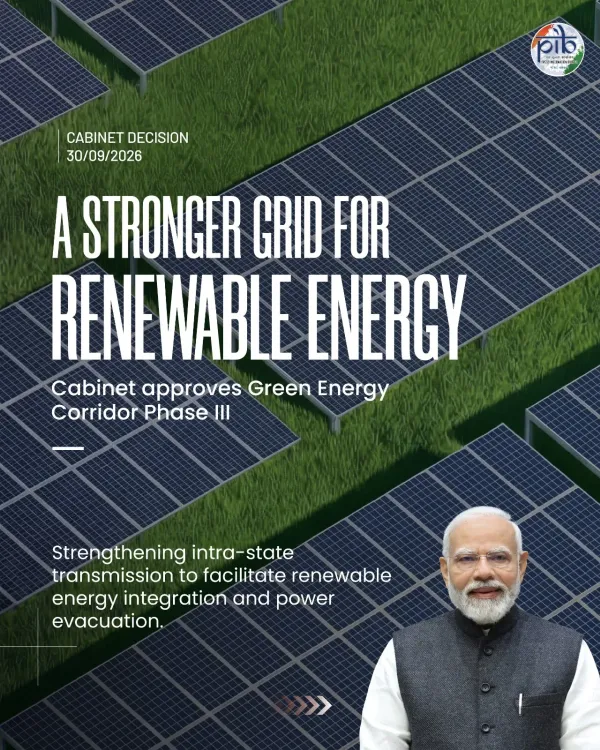
Synopsis
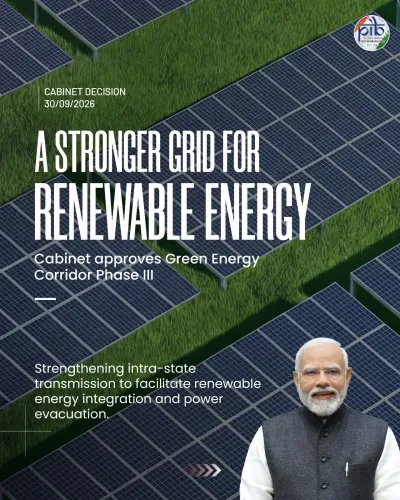
The Union Cabinet has approved the PM-DHARA scheme at ₹1,86,405 crore to build transmission infrastructure evacuating 135 GW of renewable energy across India, targeting chronic grid congestion and peak-hour curtailment that have hampered the country's clean-energy expansion.
Key Takeaways
PM-DHARA scheme approved by the Union Cabinet on 30 September 2026 with an outlay of ₹1,86,405 crore .
The scheme aims to enable evacuation of 135 gigawatts of renewable energy across states and Union Territories.
It directly addresses grid congestion and peak-hour curtailment — the two biggest bottlenecks for India's renewable sector.
The announcement builds on the Green Energy Corridor initiative launched in 2015 and India's COP26 pledge of 500 GW non-fossil fuel capacity by 2030 .
Key beneficiaries include renewable energy developers and state power utilities that lose revenue and efficiency to stranded green power.
State-level implementation timelines and fund disbursement will determine whether curtailment rates fall meaningfully within two to three years .
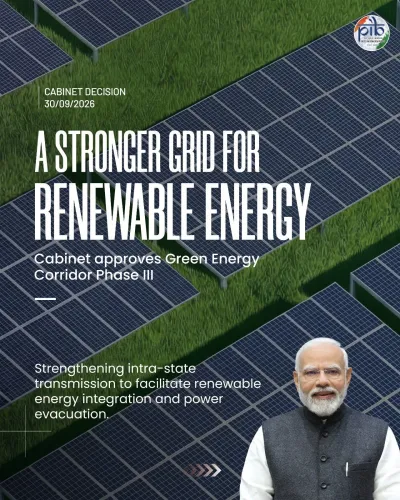
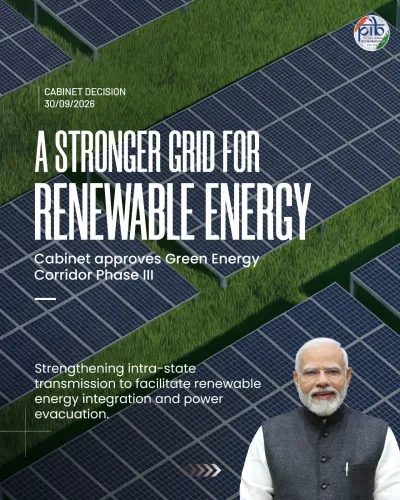
India's electricity grid just received its biggest single policy push in years. Union Home Minister Amit Shah announced on Wednesday, 30 September 2026 that the Union Cabinet has approved the PM-DHARA scheme with an outlay of ₹1,86,405 crore, a transmission infrastructure programme designed to evacuate 135 gigawatts of renewable energy across states and Union Territories.
What PM-DHARA is built to fix
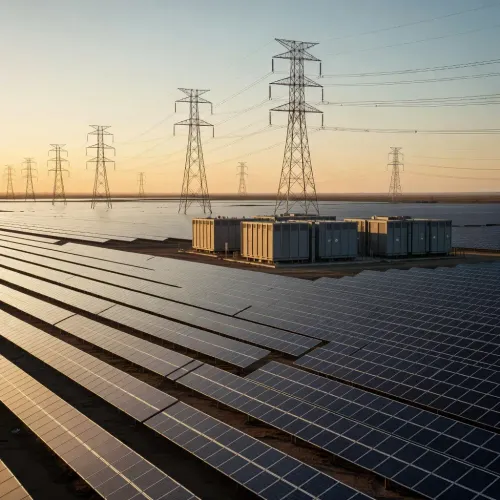
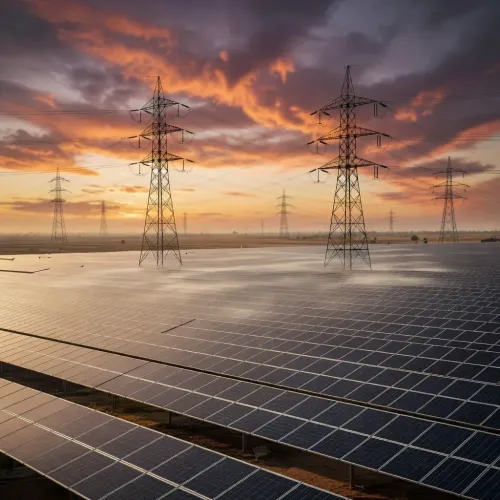
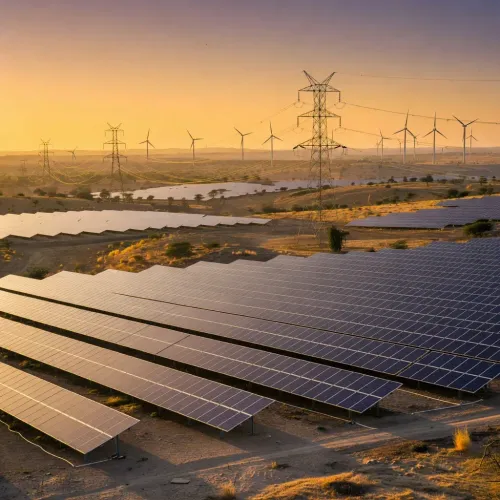
India's renewable energy build-out has outpaced its grid's ability to carry that power to consumers. Solar and wind farms routinely face curtailment — forced shutdowns because transmission lines are full — and peak-hour congestion wastes clean electricity that is already being generated. PM-DHARA targets both problems directly, creating dedicated evacuation corridors so that power produced in sun-rich Rajasthan or wind-swept Tamil Nadu can flow without bottleneck to demand centres in other states.
Shah described the scheme as 'a giant stride towards Modi Ji's vision of a greener future,' noting it will 'strengthen our grids, create more opportunities, and address issues such as congestion and peak-hour curtailment.' The framing places the scheme squarely within Prime Minister Narendra Modi's long-stated target of 500 GW of non-fossil fuel capacity by 2030 — a commitment India made at COP26 in Glasgow in 2021.
A decade of grid-building, now scaled up
This is not India's first attempt at solving the transmission puzzle. The Green Energy Corridor initiative, launched in 2015, built the first generation of dedicated renewable transmission lines — but the scale of ambition has since grown dramatically. India now targets roughly three times the renewable capacity it envisioned a decade ago, and the grid infrastructure has struggled to keep pace. PM-DHARA, at nearly ₹1.86 lakh crore, represents a step-change in the size of the public investment being committed to close that gap.
Renewable energy developers and state power utilities — the two groups most directly squeezed by curtailment losses — stand to benefit immediately if the scheme delivers on its evacuation targets. For developers, curtailment is lost revenue on assets already built. For state utilities, congestion means expensive peak-hour procurement from conventional sources even when cheaper green power sits stranded upstream.
135 GW target and what comes next
The headline number — 135 GW of evacuation capacity — is significant because it implies a transmission network built not just for today's installed base but for the renewable pipeline still under construction. Whether that capacity materialises on schedule will depend on state-level implementation timelines, land acquisition for transmission corridors, and the pace of fund disbursement under the scheme. Measurable reductions in curtailment rates over the next two to three years will be the clearest early indicator of whether PM-DHARA is delivering.
India's net-zero commitment for 2070 rests on a foundation of reliable, congestion-free renewable transmission. A grid that cannot carry clean power is a ceiling on every climate target the country has set. PM-DHARA is the government's bet that removing that ceiling is worth nearly two lakh crore rupees of public money.
Point of View
86,405 crore, the scheme is a political statement as much as a policy one: it anchors India's 2030 and 2070 climate commitments to a concrete, costed programme. The real test will be execution at the state level, where land acquisition and regulatory delays have historically derailed grid projects. If disbursement lags, PM-DHARA risks becoming another ambitious headline without a matching transmission line on the ground.
NationPress
30 Sept 2026
Frequently Asked Questions
What is the PM-DHARA scheme?
PM-DHARA is a Union Cabinet-approved scheme worth ₹1,86,405 crore designed to build transmission infrastructure that can evacuate 135 gigawatts of renewable energy across Indian states and Union Territories, tackling grid congestion and curtailment.
How much money has been approved for PM-DHARA?
The Union Cabinet approved an outlay of ₹1,86,405 crore — approximately ₹1.86 lakh crore — for the PM-DHARA scheme on 30 September 2026.
What is renewable energy curtailment and why does it matter?
Curtailment happens when solar or wind power plants are forced to shut down because the transmission grid cannot carry the electricity they produce. It wastes clean energy and reduces revenue for developers, making it a key barrier to India's green energy targets.
How does PM-DHARA relate to India's 2030 renewable energy target?
India pledged at COP26 in 2021 to achieve 500 GW of non-fossil fuel capacity by 2030. PM-DHARA provides the transmission backbone needed to actually carry that power to consumers, making it a critical enabler of the 2030 goal.
Who benefits most from the PM-DHARA scheme?
Renewable energy developers who lose revenue due to curtailment and state power utilities that face peak-hour congestion are the primary direct beneficiaries. Consumers across states stand to gain from a more reliable and greener electricity supply.