Amit Shah: Cabinet Clears Aqua Line Metro Extension for Noida
Synopsis
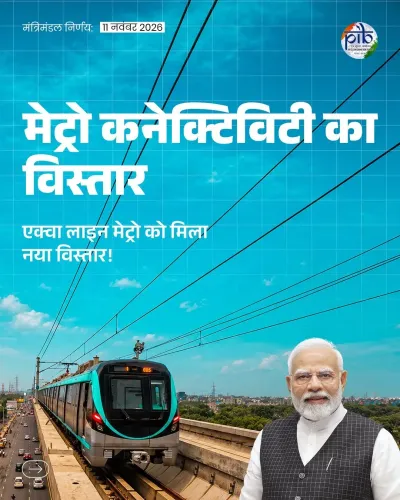
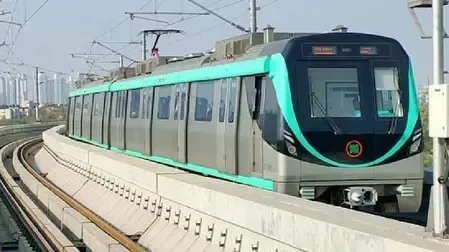
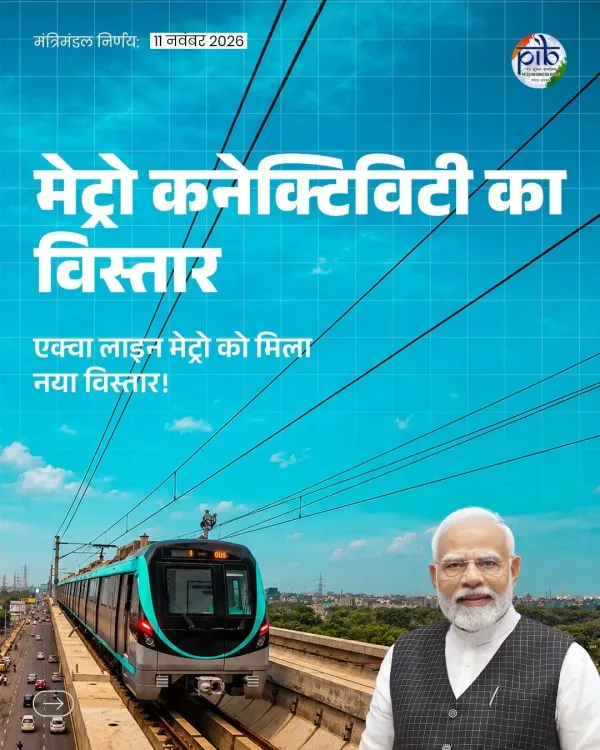
The Union Cabinet cleared the Aqua Line Metro extension from Noida Sector-51 to Greater Noida Sector-04, adding five elevated stations. Home Minister Amit Shah said the corridor will connect markets, offices, IT hubs, hospitals and housing societies, improving mobility, cutting emissions and boosting economic growth in the NCR.
Key Takeaways
The Union Cabinet approved the Aqua Line Metro Corridor extension on November 11, 2026 .
The new stretch runs from Noida Sector-51 to Greater Noida Sector-04 .
The corridor will include five elevated metro stations .
It will connect markets, offices, IT hubs , educational institutions, hospitals and residential societies.
The original Aqua Line between Noida and Greater Noida became operational in 2019 .
Project cost, corridor length and completion timeline have not yet been officially disclosed.
A metro corridor that has been missing its final link just got its green light. Union Home Minister Amit Shah announced on Wednesday, November 11, 2026 that the Union Cabinet approved the extension of the Aqua Line Metro Corridor, stretching from Noida Sector-51 to Greater Noida Sector-04, with five elevated stations along the new stretch — a move that promises to reshape daily commuting for millions across the National Capital Region.
What the Cabinet cleared: five stations, one corridor
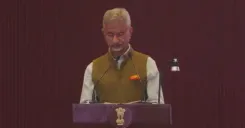
Shah's post announced the approval in direct terms: the new corridor will connect markets, offices, IT hubs, educational institutions, hospitals and residential societies to the metro network. The five elevated stations will form the spine of this extension, each one anchoring a node of economic or civic activity in one of India's fastest-growing urban belts.
The Aqua Line, operated by the Noida Metro Rail Corporation, first came alive in 2019, providing the original Noida–Greater Noida metro link. That inaugural stretch set the template; this Cabinet approval is its logical continuation, pushing the corridor deeper into Greater Noida's expanding grid.
Why Noida–Greater Noida's commute problem is real
Noida is a planned IT and industrial city in Gautam Buddh Nagar district, Uttar Pradesh, and Greater Noida is its rapidly growing extension — dense with housing societies, universities and office campuses. The corridor between them absorbs some of the NCR's heaviest daily traffic, and road-based commuting has consistently outpaced infrastructure on that stretch.
Successive Union Cabinet approvals for metro extensions across NCR satellite cities — including Ghaziabad and Faridabad — follow an established pattern: link residential zones to commercial and institutional hubs, cut road congestion, and lower vehicular emissions. The Aqua Line extension fits squarely into that playbook.
Three outcomes Shah flagged: mobility, environment, economy
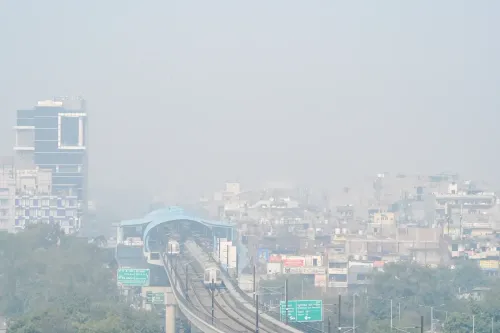
Shah's announcement tied the project explicitly to three outcomes. First, smoother traffic movement as commuters shift from road to rail. Second, environmental gains from reduced private vehicle use — a persistent pressure point for NCR, one of the world's most polluted urban clusters. Third, a fresh economic impulse for the region: metro connectivity historically accelerates real-estate activity, retail footfall and institutional investment in adjacent zones.
No project cost or completion timeline was cited in the announcement. Official sanction orders and land acquisition notifications will be the next documents to watch as the project moves from Cabinet approval to ground reality.
Five stations approved is the beginning of the story — the race to break ground is what comes next.
Point of View
Shah is also signalling political ownership of a project with high everyday visibility. The absence of cost or timeline details in the announcement means the real test of delivery urgency will come in subsequent sanction orders. For a government that has used infrastructure rollouts as a core electoral asset, the speed of that follow-through will matter as much as the approval itself.
NationPress
11 Nov 2026
Frequently Asked Questions
What is the Aqua Line Metro extension that was approved by the Cabinet?
The Union Cabinet approved extending the Aqua Line Metro Corridor from Noida Sector-51 to Greater Noida Sector-04, adding five new elevated metro stations to the existing network.
When was the original Aqua Line Metro launched?
The original Aqua Line, operated by the Noida Metro Rail Corporation connecting Noida and Greater Noida, was inaugurated in 2019.
How many new stations will be added in the Aqua Line extension?
The approved extension will have five elevated stations between Noida Sector-51 and Greater Noida Sector-04.
What areas and facilities will the new Aqua Line corridor connect?
According to Union Home Minister Amit Shah's announcement, the corridor will connect markets, offices, IT hubs, educational institutions, hospitals and residential housing societies in the Noida–Greater Noida belt.
What is the project cost and timeline for the Aqua Line Metro extension?
No official project cost or completion timeline has been disclosed yet. The next milestones to watch are formal sanction orders, detailed cost estimates and land acquisition notifications.