Jaishankar on Rs 77,101 Cr Cabinet Blitz: Museum to Metro
Synopsis
The Union Cabinet under PM Modi approved Rs 77,101 crore across five decisions: the Yuge Yugeen Bharat Museum, the Noida Metro Aqua Line extension, a 64% higher NBS fertilizer subsidy for Rabi 2026-27, and renewals of credit guarantee funds for Mudra and Stand-Up India schemes.
Key Takeaways
Rs 77,101 crore total approved by the Union Cabinet in a single meeting chaired by PM Modi on November 11, 2026 .
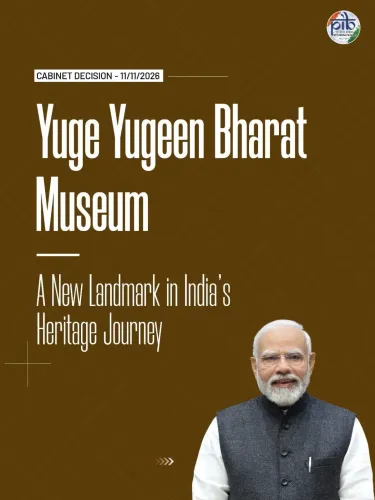
The Yuge Yugeen Bharat Museum is sanctioned at Rs 3,230 crore with over 1 lakh sq m of display area, targeting the world's largest footprint.
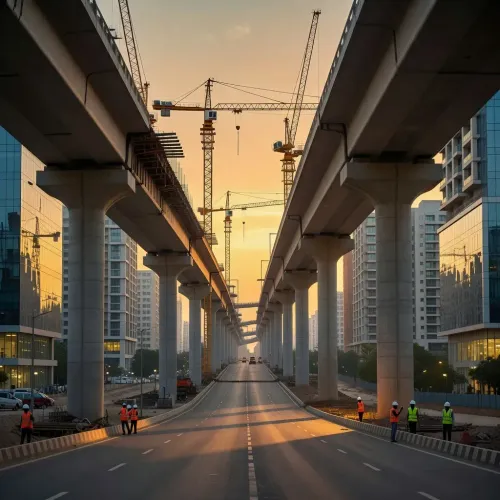
The Noida Metro Aqua Line extension adds 8.5 km and 5 stations linking Greater Noida West to Delhi Metro at Rs 2,390 crore .
NBS fertilizer subsidy for Rabi 2026-27 set at approximately Rs 62,370 crore — a stated 64% jump from the previous Rabi season.
Pradhan Mantri Mudra Yojana credit guarantee fund renewed with Rs 5,000 crore for five years, keeping collateral-free loans accessible.
Stand-Up India credit guarantee corpus renewed at Rs 4,111 crore for five years, targeting women and SC/ST greenfield entrepreneurs.
Five decisions. One cabinet meeting. Rs 77,101 crore committed in a single sitting — and the range alone tells the story of a government trying to move on every front at once. Union External Affairs Minister Dr. S. Jaishankar posted on Wednesday, November 11, 2026, laying out what the Union Cabinet, chaired by Prime Minister Narendra Modi, approved in its latest meeting.
A Museum Built to Be the World's Largest
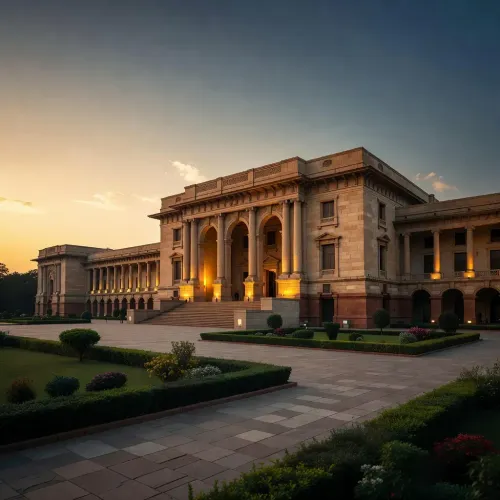
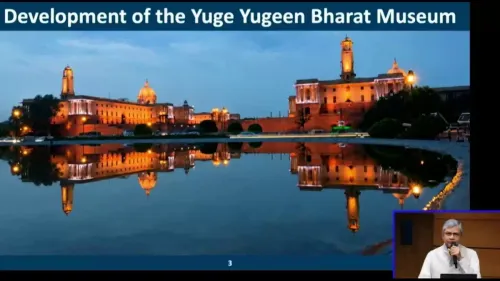
The headline project is the Yuge Yugeen Bharat Museum, sanctioned at Rs 3,230 crore. The pitch is audacious: a display area of more than 1 lakh square metres, positioning it as the world's largest by that measure, devoted to the 'continuity, diversity and richness of Bharat's civilizational heritage.' The scale signals an intent to build something beyond a cultural institution — a landmark that reframes how India presents its own history to the world.
The Aqua Line Closes a Critical Gap in the NCR Grid
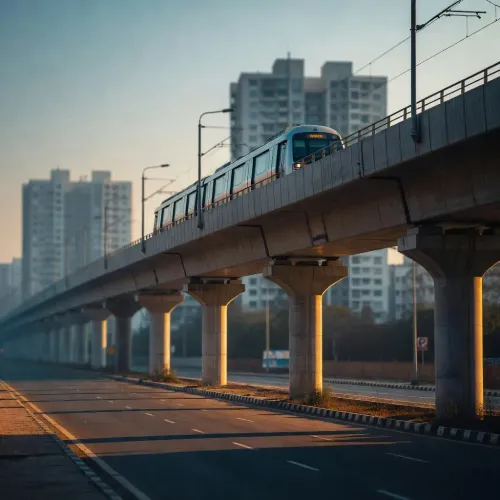
For daily commuters in the National Capital Region, the more immediately consequential announcement is the Noida Metro Aqua Line extension — an 8.5 km elevated corridor with 5 new stations, connecting Noida and Greater Noida West to the broader Delhi Metro network at an estimated cost of Rs 2,390 crore. The Cabinet's stated aims are direct: cut travel time, ease congestion, and lower pollution. Metro connectivity to Greater Noida West has been among the most-demanded infrastructure asks from a densely populated corridor that has outgrown its road capacity. Cabinet approvals for metro extensions in the NCR have followed a steady rhythm across successive governments — this one advances an arc already long in motion.
NBS Subsidy Jumps 64% for Rabi 2026-27
The largest single outlay in the package is agricultural: Nutrient Based Subsidy (NBS) rates for Rabi 2026-27, with a total outlay of approximately Rs 62,370 crore. The Cabinet describes this as a 64% increase from the previous Rabi season — a significant jump in a regime introduced back in 2010 to promote balanced fertilizer use by fixing subsidies per nutrient rather than per product. The stated goals span multiple pressure points: boosting domestic production, keeping alternatives affordable, cutting import reliance, and supporting farm incomes under a 'farmers first' framing.
Mudra and Stand-Up India Get Five More Years of Fuel
Two credit guarantee schemes see their mandate renewed. The Credit Guarantee Fund for Micro Units under Pradhan Mantri Mudra Yojana — the flagship collateral-free lending scheme launched in April 2015 — gets a fresh outlay of Rs 5,000 crore for another five years. The benefit: a lower guarantee fee and better loan quality for lenders, keeping the pipeline open for micro-entrepreneurs who lack collateral.
Alongside it, the Credit Guarantee Fund for Stand-Up India — the 2016 scheme designed specifically to channel bank credit to women and SC/ST entrepreneurs for greenfield enterprises — receives a corpus of Rs 4,111 crore for credit guarantees over five years. Both renewals are continuations rather than redesigns, but their extension keeps institutional scaffolding in place for the segments of the economy most dependent on it.
The tendering timelines for the museum and metro corridor, plus the actual subsidy notifications ahead of the Rabi sowing season, will be the first real tests of whether these Cabinet approvals translate into on-the-ground momentum.
Point of View
Deliver an immediate urban infrastructure win for NCR voters (the metro), and protect the rural flank with a sharply higher fertilizer subsidy ahead of the Rabi season. Renewing Mudra and Stand-Up India — both over a decade old — signals continuity over reinvention in MSME and inclusive-credit policy. The 64% NBS subsidy hike is the most consequential number in the bundle; if it flows through to actual farm input costs, it will resonate well beyond the NCR. The museum, by contrast, is a long-horizon project whose political dividends accrue slowly but whose symbolic weight is immediate.
NationPress
11 Nov 2026
Frequently Asked Questions
What is the Yuge Yugeen Bharat Museum and why is it significant?
The Yuge Yugeen Bharat Museum is a proposed national institution approved by the Union Cabinet at a cost of Rs 3,230 crore. With a planned display area of more than 1 lakh square metres, it is positioned as the world's largest museum by display area, intended to showcase the civilizational heritage, continuity, and diversity of India.
What is the Noida Metro Aqua Line extension project?
The Noida Metro Aqua Line extension is an 8.5 km elevated metro corridor with 5 new stations approved at an estimated cost of Rs 2,390 crore. It will connect Noida and Greater Noida West to the existing Delhi Metro network, aiming to reduce travel time, ease road congestion, and lower air pollution in the NCR.
What is the NBS fertilizer subsidy and why has it increased for Rabi 2026-27?
The Nutrient Based Subsidy (NBS) is a fertilizer support regime introduced in 2010 that provides fixed subsidies per nutrient rather than per product to encourage balanced fertilizer use. For Rabi 2026-27, the Cabinet approved an outlay of approximately Rs 62,370 crore — described as 64% higher than the previous Rabi season — to support domestic production, reduce import reliance, and protect farm incomes.
What is Pradhan Mantri Mudra Yojana and what did the Cabinet decide about it?
Pradhan Mantri Mudra Yojana, launched in April 2015, provides collateral-free loans of up to Rs 10 lakh to micro enterprises. The Cabinet approved continuing the Credit Guarantee Fund for Micro Units under this scheme with an outlay of Rs 5,000 crore for five years, which will lower guarantee fees and keep affordable credit accessible to small entrepreneurs.
What is Stand-Up India and who does it benefit?
Stand-Up India, launched in 2016, facilitates bank loans for greenfield enterprises set up by women and SC/ST entrepreneurs. The Cabinet renewed its Credit Guarantee Fund with a corpus of Rs 4,111 crore over five years to continue supporting inclusive entrepreneurship and job creation for these groups.