Piyush Goyal flags world's largest museum rising in New Delhi
Synopsis
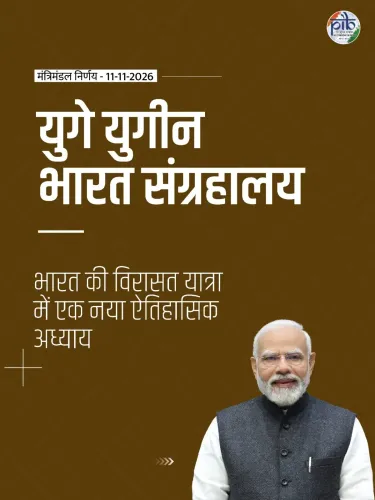
Union Minister Piyush Goyal announced the Yuge Yugeen Bharat Museum in New Delhi — billed as the world's largest display-area museum with capacity for 1 crore annual visitors — aimed at showcasing India's civilisational history and boosting global soft power.
Key Takeaways
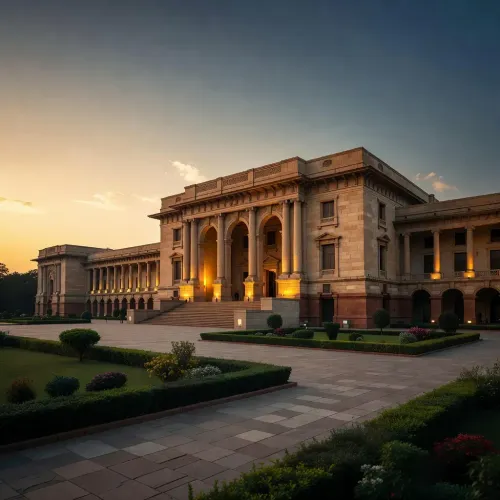
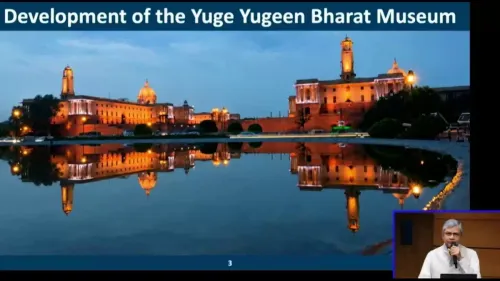
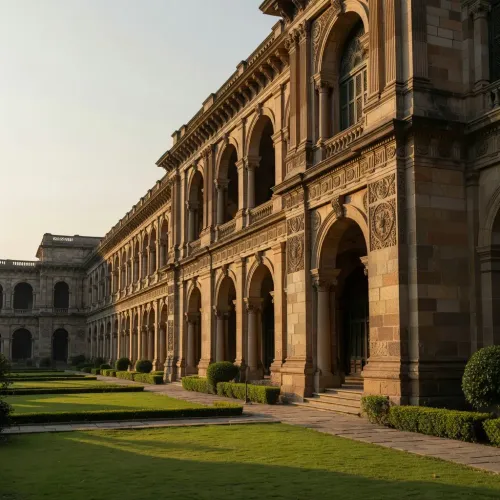
The Yuge Yugeen Bharat Museum is planned for central New Delhi and is described as having the world's largest museum display area.
The facility is designed to handle up to 1 crore (10 million) visitors every year .
Its stated mandate covers civilisational history, continuity and diversity , with an explicit soft-power and research function.
Union Minister Piyush Goyal framed it as a future entry among the world's best museums.
The project aligns with India's broader cultural infrastructure push under the Ministry of Culture , including heritage circuit upgrades and museum digitisation.
Construction timelines, land details and funding allocations are yet to be publicly confirmed.
India is set to build what its government describes as the world's largest display-area museum — right in the heart of New Delhi — and Union Commerce and Industry Minister Piyush Goyal made the ambition unmistakably clear on Wednesday, 11 November 2026. The Yuge Yugeen Bharat Museum is designed to receive up to 1 crore visitors every year, positioning it as a cultural landmark unlike anything the country has built before.
A museum built to the scale of a civilisation
The name itself signals the intent: Yuge Yugeen — 'across all ages' — and Bharat, the ancient name for India. The museum's stated mission is to showcase India's civilisational history, continuity and diversity to a global audience. Goyal described it as a facility that 'will be among the best museums in the world supporting research, tourism, cultural preservation and strengthening India's soft power globally.'
That is a high bar. The Louvre in Paris draws roughly 9 million visitors a year; the Metropolitan Museum of Art in New York sees around 5 million. A single Indian museum designed for 10 million annual footfalls — if it hits that number — would immediately enter the conversation for the most visited cultural institutions on earth.
Soft power, hard infrastructure
The project fits squarely into a broader pattern of cultural infrastructure investment that India has accelerated over recent years. The Ministry of Culture has pursued upgrades to heritage circuits, digitisation of museum collections and restoration of archaeological sites as part of a wider effort to present the subcontinent's history to both domestic and international audiences. The Yuge Yugeen Bharat Museum is the most ambitious single node in that network.
Placing it in central New Delhi — a city already home to the National Museum, the National Gallery of Modern Art and a cluster of colonial-era archival institutions — sends a deliberate signal: this is not a regional heritage project but a national statement, anchored in the capital and aimed at the world.
What the project still needs to prove
Construction timelines, land acquisition updates, funding allocations and parliamentary approvals remain active variables. The sheer scale of the ambition — world's largest display area, 1 crore visitors — means execution will be watched closely by heritage experts, urban planners and the tourism industry alike. Researchers stand to gain from what the project promises as a world-class facility for the study of Indian civilisational history. Tourism operators are already eyeing a potential anchor attraction that could reshape inbound cultural travel itineraries.
India has form in translating big cultural ambitions into physical reality. The question now is timeline — and whether the museum's opening will coincide with the country's growing moment on the global stage.
Point of View
A world-record museum in the national capital is as much a diplomatic statement as an architectural one. The 1-crore visitor target, if achieved, would instantly make it a comparable draw to Europe's most visited institutions, reshaping how the country markets itself to inbound tourists. The critical test, as with every mega-infrastructure ambition, is whether execution matches the announcement — and that verdict will only come when the doors actually open.
NationPress
11 Nov 2026
Frequently Asked Questions
What is the Yuge Yugeen Bharat Museum?
The Yuge Yugeen Bharat Museum is a planned museum in central New Delhi designed to have the world's largest display area and showcase India's civilisational history, continuity and diversity to a global audience.
Where will the Yuge Yugeen Bharat Museum be located?
The museum is planned for the heart of New Delhi, India's national capital.
How many visitors can the Yuge Yugeen Bharat Museum handle?
According to Union Minister Piyush Goyal's announcement, the museum is designed to accommodate up to 1 crore (10 million) visitors every year.
Why is India building the Yuge Yugeen Bharat Museum?
The museum aims to present India's civilisational history and cultural diversity to the world while supporting research, boosting tourism, aiding cultural preservation and strengthening India's soft power globally.
What is the current status of the Yuge Yugeen Bharat Museum project?
The project has been announced by the government, but specific construction timelines, funding allocations and a confirmed opening date have not yet been made public.